
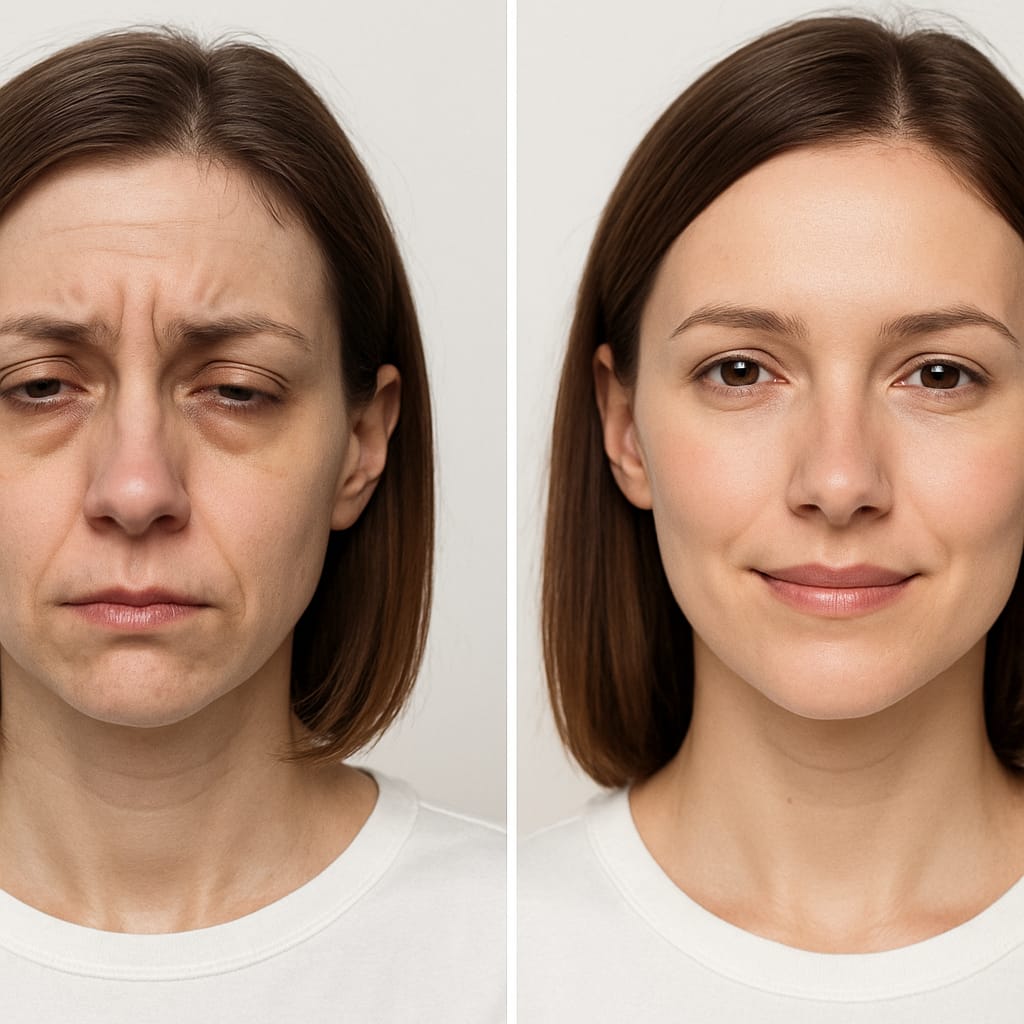
Quick Answer: Chronic pain disrupts deep sleep, and poor sleep amplifies pain sensitivity. This bidirectional pain-sleep cycle is well described in research such as Irwin's 2019 review in Nature Reviews Immunology. Breaking it often starts with a supportive sleep surface, good positioning and consistent sleep habits. Talk with your doctor about persistent pain.
9 min read
The Pain-Sleep Cycle: How It Works
If you live with chronic pain, you already know the pattern. Pain makes it harder to fall asleep. Poor sleep makes the pain worse the next day. And the next night, you start the whole thing over again.
This is not just perception. Research published in the journal Pain has demonstrated that sleep deprivation lowers pain thresholds measurably. A 2019 study from the University of California, Berkeley found that even modest sleep loss amplified pain sensitivity in the brain's somatosensory cortex while simultaneously reducing activity in the nucleus accumbens, the region responsible for natural pain relief. In plain terms: less sleep means your body both feels pain more acutely and does less to manage it on its own.
The Canadian Chiropractic Association estimates that 85% of working Canadians will experience back pain at some point in their lives. For many of these people, the pain becomes chronic, and the sleep disruption that follows becomes its own separate health problem.
At Mattress Miracle, we hear this story regularly. Someone comes in because their back hurts and they cannot sleep. They have been on the same mattress for years, it has lost its support, and they have been compensating with pillows and painkillers rather than addressing the surface itself. The mattress is rarely the only solution, but it is often part of the problem.
The neuroscience in brief: During deep sleep (stages 3 and 4 of non-REM sleep), your body releases growth hormone, repairs tissue, and reduces inflammation. Chronic pain interrupts these deeper stages, keeping you in lighter sleep where restorative processes are limited. A 2015 study in Sleep Medicine Reviews confirmed that patients with chronic pain conditions spend significantly less time in slow-wave sleep compared to pain-free controls. This is why people with chronic pain often sleep for a full eight hours and still wake up exhausted.
How Chronic Pain and Poor Sleep Show on Your Face
The phrase "you look tired" is something people with chronic pain hear constantly. And there is a physiological basis for it. Poor sleep quality, regardless of the cause, produces visible changes in facial appearance.
A study published in the Royal Society Open Science journal asked participants to rate photographs of people after normal sleep and after sleep restriction. The sleep-deprived faces were consistently rated as looking more fatigued, less healthy, and less attractive. The visible signs included:
- Dark circles under the eyes caused by dilated blood vessels beneath thin under-eye skin, which becomes more transparent when you are tired
- Puffiness around the eyes and face from fluid retention that your body normally manages during restorative sleep
- Dull, uneven skin tone because skin cell turnover and collagen production happen primarily during deep sleep
- Fine lines appearing more pronounced as dehydration and reduced collagen synthesis make existing lines more visible
- A general "drawn" or "grey" quality that people associate with illness or exhaustion
For people with chronic pain, these effects compound over time. It is not one bad night. It is months or years of disrupted sleep reducing the body's capacity to repair and refresh skin tissue. The result is visible ageing that outpaces your actual age.
This is not vanity. Research increasingly shows that facial appearance is a reliable indicator of underlying health status. If your face looks exhausted, your body probably is too.
Breaking the Cycle: Sleep Surface and Positioning
Breaking the pain-sleep cycle requires addressing both sides: reducing pain enough to sleep, and sleeping well enough to reduce pain. The sleep surface is one of the most controllable variables in this equation.
Mattress Firmness and Pain
The research on mattress firmness and pain is more nuanced than most marketing suggests. A widely cited study published in The Lancet found that medium-firm mattresses produced better outcomes for chronic lower back pain than firm mattresses. The key finding: too-firm surfaces create pressure points at the shoulders and hips, while too-soft surfaces allow the spine to sag out of alignment. A medium-firm mattress that contours enough to relieve pressure while maintaining spinal support tends to produce the best results for most pain conditions.
If you are shopping for a mattress to help with chronic pain, our guide to the best mattresses for back pain in Canada goes into specific firmness recommendations by body type and pain location. You can also browse our full mattress collection to see what is available in different firmness levels.
Firmness by pain type:
- Lower back pain: Medium-firm (6-7 out of 10). Enough give to let hips sink slightly, enough support to keep the lumbar spine neutral.
- Hip pain: Medium (5-6 out of 10). Side sleepers with hip pain need more contouring at the hip to prevent pressure buildup.
- Shoulder pain: Medium to medium-soft (5-6 out of 10). The shoulder joint needs room to sink in without creating a pressure point.
- Neck pain: The mattress matters less than the pillow. A pillow that keeps the cervical spine aligned with the thoracic spine is the primary fix.
- Fibromyalgia: Varies widely by individual, but pressure relief tends to be the priority. Memory foam or hybrid mattresses with thick comfort layers are worth trying. See our fibromyalgia sleep guide for more detail.
Sleep Positioning
Positioning can reduce pain significantly without changing anything about your mattress. A few evidence-supported adjustments:
- Back sleepers with lower back pain: A pillow under the knees takes pressure off the lumbar spine by reducing the curve in the lower back.
- Side sleepers with hip pain: A pillow between the knees keeps the hips aligned and prevents the top leg from pulling the pelvis out of position.
- People with acid reflux and back pain: Elevating the head of the bed 15 to 20 centimetres reduces reflux while keeping the spine in a supported position. An adjustable bed frame makes this easy without stacking pillows.
Adjustable Beds for Chronic Pain Relief
Adjustable beds are one of the most underrated tools for chronic pain management, and one of the products we recommend most often at Mattress Miracle for people dealing with ongoing pain. The ability to elevate the head, raise the knees, or find a zero-gravity position gives you options that a flat mattress simply cannot provide.
The zero-gravity position (head and knees slightly elevated, with the body forming a gentle V shape) distributes weight more evenly across the mattress surface, reducing pressure on the lower back and improving circulation. This position was originally developed by NASA to reduce physical stress on astronauts during launch, and it translates directly to pain relief during sleep.
Many customers at Mattress Miracle who deal with chronic back pain, sciatica, or arthritis have found measurable relief after switching to an adjustable base. It does not replace medical treatment, but it gives you a way to find comfortable positions that a standard flat bed cannot offer. Our adjustable bed health uses guide covers the specific conditions where adjustable beds tend to help most.
Practical tip: If you are considering an adjustable bed for pain management, test it in person. The motor noise, the range of motion, and the feel of the mattress at different angles all matter and cannot be evaluated online. At our Brantford showroom, you can try adjustable bases with different mattresses to find the combination that works for your specific pain pattern.
Sleep Hygiene When You Live With Pain
Standard sleep hygiene advice (consistent schedule, dark room, cool temperature) applies to everyone, but people with chronic pain face additional challenges that generic advice does not address.
Pain Flares at Bedtime
Many chronic pain conditions produce a spike in discomfort during the evening hours, partly because daytime distraction decreases and awareness of pain increases, and partly because inflammation tends to build throughout the day. Gentle stretching 30 to 60 minutes before bed, a warm bath, or a heating pad used for 15 to 20 minutes before lying down can reduce this pre-sleep pain spike enough to fall asleep more easily.
Middle-of-the-Night Pain Wakeups
Waking at 2 or 3 a.m. with pain is one of the most frustrating aspects of living with a chronic condition. The 4-7-8 breathing technique (inhale for 4 counts, hold for 7, exhale for 8) can help manage the anxiety that comes with pain wakeups, which often prolongs wakefulness more than the pain itself. We cover this in detail in our 4-7-8 breathing guide.
Mattress Protectors and Temperature
Inflammation-driven pain conditions often cause increased body temperature during sleep. A breathable mattress protector that does not trap heat can make a meaningful difference. Avoid waterproof protectors made entirely of vinyl or plastic, which create a warm, non-breathable barrier. Look for protectors with a fabric top layer and a breathable waterproof membrane.
For Brantford residents: If you are managing chronic pain and want to improve your sleep setup, Mattress Miracle is at 441 1/2 West Street. Our team does not work on commission, so there is no pressure. We are happy to spend time helping you test different firmness levels and positioning options to find what reduces your specific pain. Many of our customers dealing with pain find that 20 to 30 minutes of in-store testing saves them from an expensive mistake.
When to Talk to Your Doctor
A better mattress and improved sleep habits can reduce pain and improve sleep quality, but they are not substitutes for medical care. Talk to your doctor, physiotherapist, or chiropractor if:
- Your pain wakes you more than three times per week despite good sleep hygiene
- You consistently sleep less than five hours due to pain
- Over-the-counter pain management is not providing relief
- You notice numbness, tingling, or weakness alongside the pain
- Your pain has been worsening over weeks or months rather than remaining stable
Sleep disorders like sleep apnoea can also worsen pain perception and fatigue. If you snore heavily, wake gasping, or feel exhausted regardless of hours slept, a sleep study may be worth discussing with your healthcare provider.
Medical Disclaimer: The information in this article is for educational purposes only and does not constitute medical advice. If you are experiencing chronic pain or sleep disorders, please consult a qualified healthcare professional. Your family doctor, chiropractor, or physiotherapist can provide guidance specific to your situation.
Shop mattresses for back pain at Mattress Miracle
Support, pressure relief and the right pillow. Here is the range for aches that start at night.
If you are not sure how firm you need, our firmness guide is the place to start.
Find Pain-Relieving Sleep at Mattress Miracle
We are a family-owned store in Brantford, helping our community sleep better since 1997. If chronic pain is keeping you up, come test mattresses and adjustable beds in your natural sleep position. Honest advice, no pressure.
441 1/2 West Street, Brantford, Ontario
Call 519-770-0001Frequently Asked Questions
Does chronic pain really make you look older?
Yes. Chronic pain disrupts deep sleep, which is when your body produces growth hormone and repairs skin tissue. Over months and years, this reduced repair capacity leads to visible signs of premature ageing including dark circles, dull skin, and more pronounced fine lines. Research published in Royal Society Open Science has confirmed that sleep-deprived faces are consistently rated as looking less healthy and more fatigued.
What firmness of mattress is best for chronic pain?
Medium-firm (around 6 to 7 out of 10) is the most commonly recommended firmness for chronic pain, particularly back pain. A study in The Lancet found that medium-firm mattresses produced better outcomes than firm mattresses for lower back pain sufferers. However, hip and shoulder pain may benefit from a slightly softer surface that allows better pressure relief at those contact points.
Can an adjustable bed help with chronic pain?
For many people, yes. Adjustable beds allow you to elevate your head, raise your knees, or use the zero-gravity position, all of which can reduce pressure on the lower back and improve circulation. They are particularly helpful for back pain, sciatica, acid reflux, and conditions where flat lying aggravates symptoms. Testing in person is the best way to determine if it helps your specific pain pattern.
How do I stop pain from waking me up at night?
Start with positioning: a pillow under or between the knees reduces spinal strain for most pain conditions. A supportive mattress that relieves pressure at your hips and shoulders prevents pain from building during the night. Gentle stretching or heat therapy before bed can also reduce the evening pain spike that makes falling asleep difficult. If pain wakeups persist despite these changes, speak with your doctor about additional management strategies.
Is it worth replacing my mattress if I have chronic pain?
If your mattress is more than seven years old, visibly sagging, or you consistently wake with more pain than you went to bed with, a new mattress is likely worth the investment. The sleep surface is one of the most controllable variables in the pain-sleep cycle. It will not cure your condition, but a properly supportive mattress can reduce nighttime pain enough to improve sleep quality, which in turn helps your body manage pain more effectively during the day.
Sources
- Kovacs FM, Abraira V, Pena A, et al. Effect of firmness of mattress on chronic non-specific low-back pain: randomised, double-blind, controlled, multicentre trial. The Lancet. 2003;362(9396):1599-1604.
- Radwan A, Fess P, James D, et al. Effect of different mattress designs on promoting sleep quality, pain reduction, and spinal alignment. Sleep Health. 2015;1(4):257-267.
- Caggiari G, Talesa GR, Toro G, et al. What type of mattress should be chosen to avoid back pain and improve sleep quality? Review of the literature. Journal of Orthopaedics and Traumatology. 2021;22(1):51.
- CertiPUR-US. What is Certified Foam? Consumer standards for foam emissions and chemistry.