

Orthex
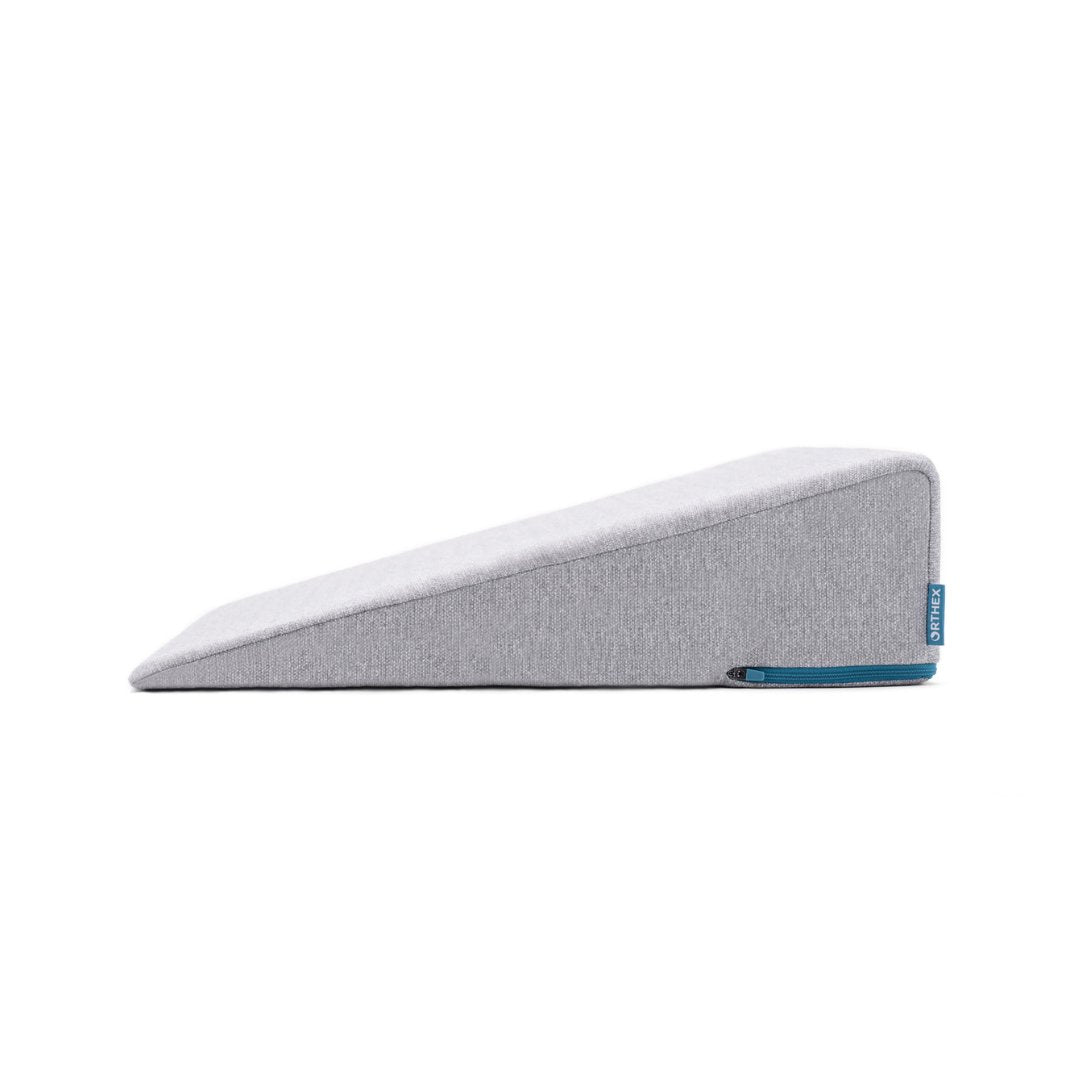
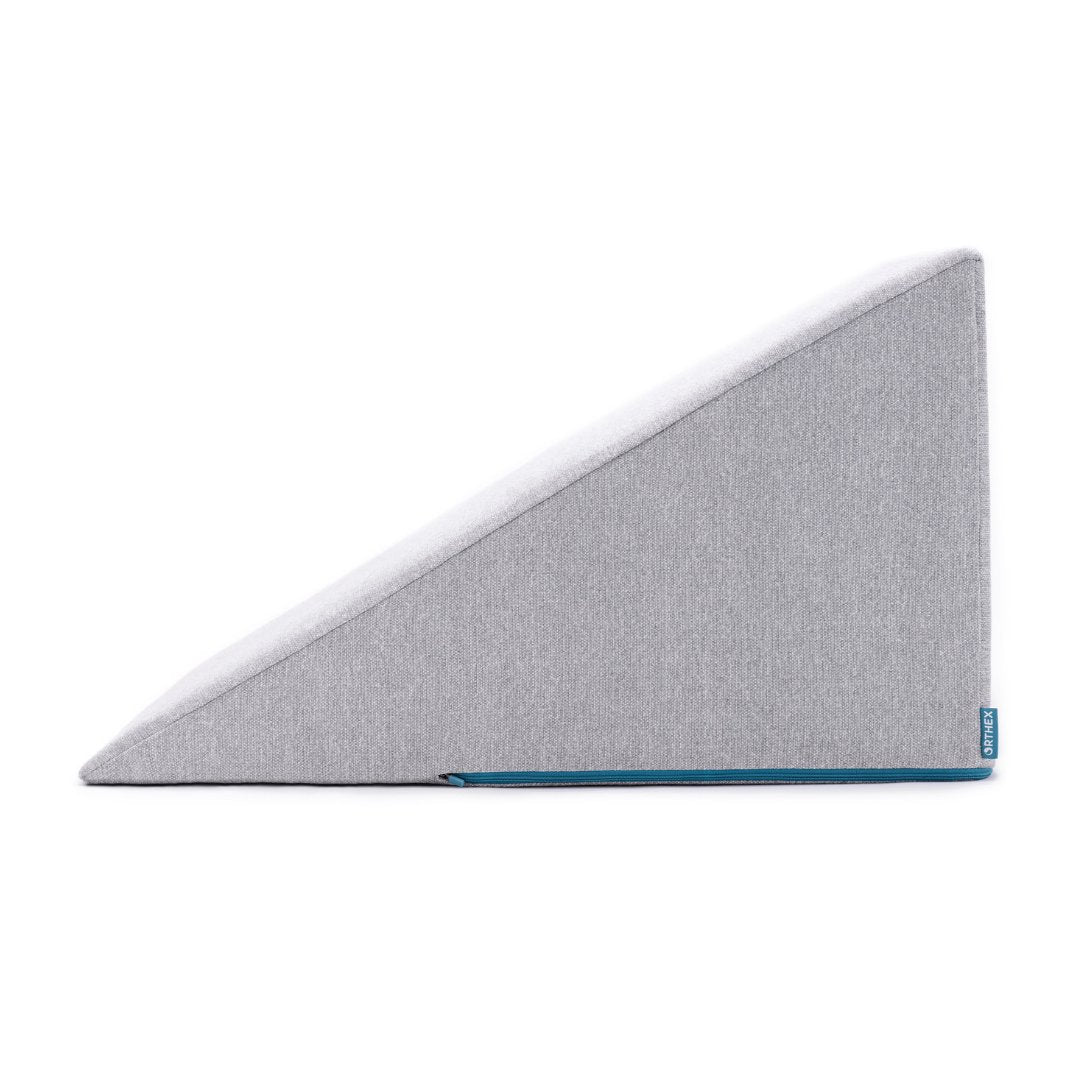
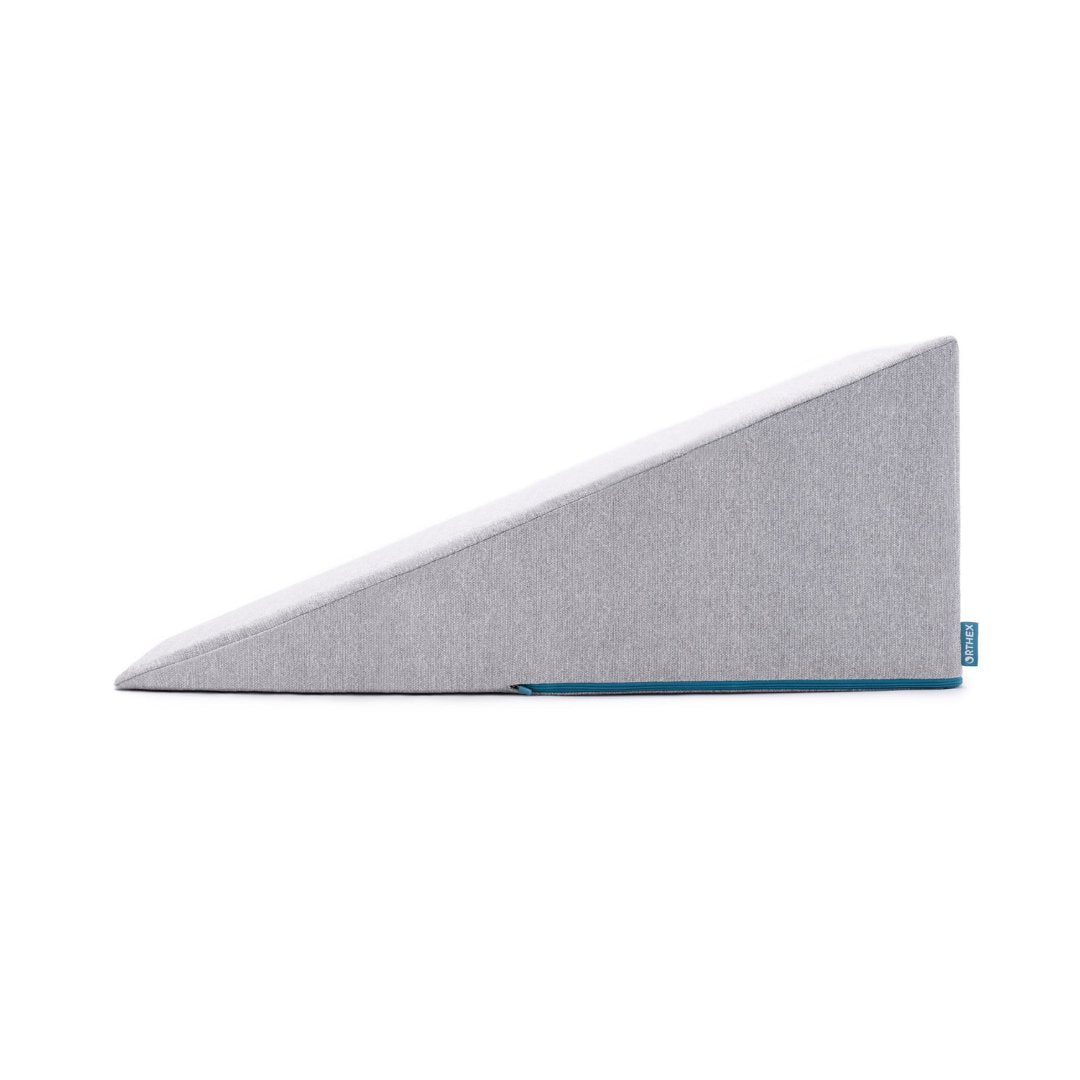
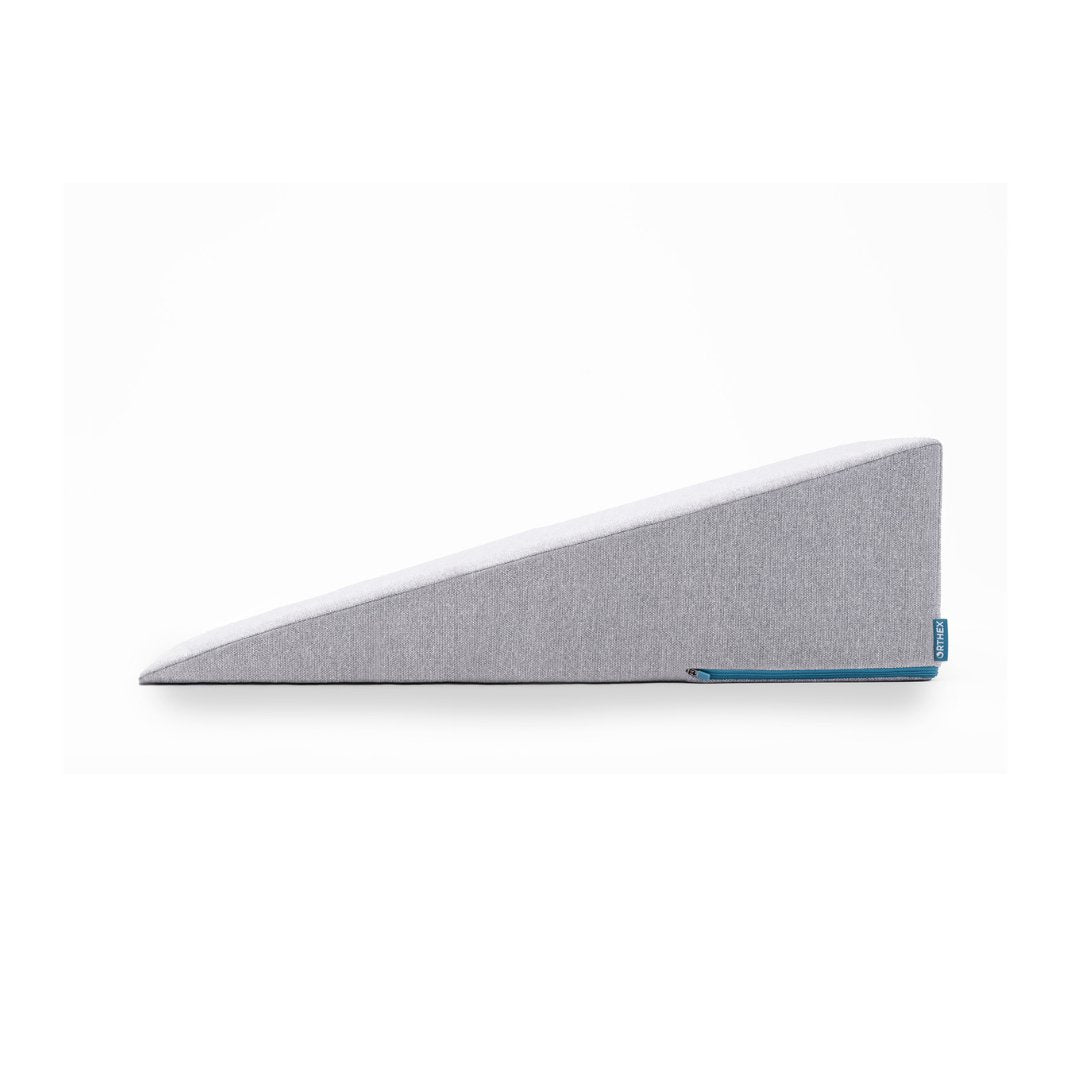
Symbia Orthopedic Wedge Pillow - 4 Comfort Angles
Symbia Orthopedic Wedge Pillow - 4 Comfort Angles
Couldn't load pickup availability
Orthex catalogue details
| Orthex item | What it is | Dimensions | Orthex code |
|---|---|---|---|
| SYMBIA 14° | Compact shoulder wedge, gel memory foam, coconut cover | 22" x 20" x 5.5" | 222055 |
| SYMBIA 16° | Side sleeper bed wedge, gel memory foam, coconut cover | 24" x 29" x 8.5" | 242985 |
| SYMBIA 23° | Back sleeper bed wedge, gel memory foam, coconut cover | 24" x 28" x 12" | 242812 |
| SYMBIA 30° | High-incline bed wedge, gel memory foam, coconut cover | 24" x 26" x 15" | 242615 |
Sold as: 1 per package. Pick the angle above. Replacement covers: 422055 (14°), 442985 (16°), 442812 (23°), 442615 (30°).
Source: Orthex 2026-27 product catalogue.
A wedge pillow is a positioning tool more than a comfort product. The Symbia comes in four elevation angles (14, 16, 23, and 30 degrees) because different uses call for different angles. The 23 and 30 degree wedges raise the head and upper body the most. Leg elevation calls for a lower angle. This isn't a pillow you're buying for softness.
What Each Angle Is Best For
14 and 16 degrees are mild elevations. They're used for gentle head elevation or reading in bed. 23 degrees is the steeper back sleeper wedge, 12 inches at its highest point. 30 degrees is the most aggressive elevation, used when a person wants substantial upper body elevation.
Choosing the right angle matters. More elevation is not always better. A very steep angle, for instance, can put the neck in an uncomfortable position. If you're unsure which angle applies to your situation, come in and talk to us, or consult your doctor or physiotherapist who can advise based on your specific condition.
Firm Foam That Holds Its Shape
The foam in the Symbia is firmer than comfort foam. A wedge pillow that compresses under body weight defeats its purpose, because the elevation collapses during the night. The high-density foam base maintains the angle regardless of body weight or sleep position shifts. It won't feel like a comfort pillow because it isn't one.
Many customers pair the wedge with a regular pillow on top for the head, which adds surface comfort without affecting the elevation. Browse our full pillow selection for compatible options. We also carry the Somnia 3.0 Posture Pillow for cervical support alongside the wedge, and have a full range of mattresses if you're doing a broader sleep assessment.
Visit Our Brantford Showroom
Mattress Miracle
441 1/2 West Street, Brantford, Ontario
Phone: (519) 770-0001
Hours: Mon-Wed 10-6, Thu-Fri 10-7, Sat 10-5, Sun 12-4
Not sure which elevation angle is right for your condition? Call us at (519) 770-0001 and we can help you figure it out.
Frequently Asked Questions
Which angle should I choose?
If your doctor has given you an elevation angle, pick the wedge closest to it. The 30 degree option gives the most upper body elevation. Start at 23 degrees unless a healthcare provider has recommended otherwise.
Is a wedge pillow comfortable to sleep on all night?
It takes adjustment. Most people find the first few nights unfamiliar. By the end of the first week, the position tends to feel natural. Some people place a softer pillow on top of the wedge for the head portion.
Can a wedge pillow help with snoring?
A wedge raises your head and upper body so you aren't lying flat. Snoring has more than one possible cause, including sleep apnea, so talk to your doctor if it's a concern.
Can I use a wedge pillow for leg elevation?
Yes. Position the wedge under the legs rather than behind the back. Used this way, the 14 or 16 degree angles are typically sufficient for leg elevation. The 23 and 30 degree options work as well but may be more elevation than needed for legs specifically.
Specifications
- Dimensions: Varies by angle: Symbia 14° is 22"×20"×5.5" (shoulder); Symbia 16° is 24"×29"×8.5" (back); Symbia 23° is 24"×28"×12" (back, steeper); Symbia 30° is 24"×26"×15" (maximum elevation); Symbia 8° leg wedge is 20"×22"×5.5"
- Best sleep position: Back sleepers needing elevation
- Loft / height: Available in 4 angle options: 14°, 16°, 23°, 30° (plus 8° leg wedge)
- Fill: High-density polyurethane foam support base with gel-infused viscoelastic memory foam comfort layer
- Cover: Breathable, washable coconut polyester knit cover
- Best for: Head and upper body elevation (14-30°), reading in bed, leg elevation (8° leg wedge)
- Made in: Canada (Orthex, Montreal-based posture specialists)
- Source: Orthex product page
Share
- 5 stars: 0 (0%)
- 4 stars: 1 (100%)
- 3 stars: 0 (0%)
- 2 stars: 0 (0%)
- 1 star: 0 (0%)
I,m not totally accustomed to it yet, but it is promising as sleep duration has increased from several 'naps' strung together to 2 or 3 longer periods. I didn't like that there is no cotton cover available. The synthetic fabric the wedge comes with isn't great against skin (if sensitive) and on the warm side. Workaround: fitted cotton travel sized crib sheet with a cotton quilted (not waterproof, but all cotton) crib mattress cover. It's been working well. Had I not found workaround the rating would have been 3 *. But really? Symbia should have cotton covers and quilted cotton wedge pads available for purchase.