

Quick Answer: When Ontario springs forward, the lost hour throws off your circadian rhythm, and most people need about a week to adjust while some feel it for two to three weeks. Going to bed 15 to 20 minutes earlier each night beforehand helps, and keeping the bedroom at 15 to 19°C eases sleep onset, which Sleep Medicine Reviews supports.
8 min read
Why Spring Forward Wrecks Your Sleep (And How to Fix It)
Every March, Ontario sets the clocks forward one hour. It sounds minor. It's just an hour. But that single hour shift causes measurable increases in heart attacks, car accidents, and workplace injuries in the week following. Your sleep takes a hit that can last weeks.
Here's what's actually happening and what you can do about it.
It's Not Just Lost Sleep
Yes, you lose an hour of sleep the night of the change. But the bigger issue is that your circadian rhythm gets thrown off. Your internal clock was synchronized to the sun and your daily routine. Suddenly everything is an hour different, and your body struggles to adjust.
The effects:
- Trouble falling asleep. Your body doesn't feel tired at the new bedtime because internally it's still an hour earlier.
- Morning grogginess. You're waking up when your body thinks it should still be sleeping.
- Daytime fatigue. The disruption to your sleep architecture means less restorative rest even when you're in bed the right amount of time.
- Mood and focus problems. Sleep disruption affects cognitive function and emotional regulation.
How Long Does It Last?
For most people, full adjustment takes about a week. Some people, especially those who are already struggling with sleep or who have irregular schedules, can feel the effects for 2-3 weeks. Studies show that the "spring forward" change is harder on bodies than "fall back" because losing time is harder than gaining it.
Preparing for the Change
If you know the change is coming, you can minimize the impact:
Shift Gradually
In the days leading up to the time change, start going to bed 15-20 minutes earlier each night. By the time the clocks change, you'll already be partially adjusted.
Get Morning Light
Bright light in the morning helps reset your circadian rhythm. After the change, make sure you get light exposure as soon as you wake up. Open the blinds, step outside, or use a light therapy lamp.
Avoid Compensating Badly
Don't try to "catch up" by sleeping late on the weekend after the change. That just delays your adjustment. Stick to your new schedule even if you're tired.
The Week After: Recovery Strategies
Maintain Your Routine
Go to bed and wake up at the same time every day, according to the new clock. Your body will adjust faster with consistent cues.
Watch the Caffeine
You'll be tempted to drink extra coffee to get through tired days. Try to limit it to the morning. Afternoon caffeine will make it harder to fall asleep at your new bedtime.
Don't Nap
Daytime napping relieves immediate tiredness but makes nighttime adjustment harder. Push through the fatigue if you can.
Exercise in the Morning
Morning exercise helps anchor your circadian rhythm to the new time. It also helps burn off stress that accumulates when you're tired.
Why Some People Struggle More
Certain factors make the adjustment harder:
- Already sleep-deprived. If you're not getting enough sleep normally, losing an hour hits harder.
- Night owls. People who naturally stay up late have more trouble with the earlier schedule.
- Shift workers. If your schedule is already variable, another disruption compounds the problem.
- Parents of young children. Kids don't understand time changes. They wake up when their bodies say to wake up.
Your Sleep Environment Matters
During the adjustment period, optimizing your sleep environment helps:
- Darken your bedroom completely. Light in the evening tells your brain to stay awake. Blackout curtains help you feel tired at the new bedtime.
- Keep it cool. 15-19°C (60-67°F) is optimal. Cooler temperatures help you fall asleep.
- Comfortable bedding. If your mattress or pillows are causing you to wake up during the night, the time change will make that worse.
The Bigger Picture
There's ongoing debate about whether we should keep daylight saving time at all. Several U.S. states have moved to permanent standard time, and there's discussion in Canada too. Until that changes, we're stuck adjusting twice a year.
The good news: your body is adaptable. With some intentional effort, most people recover within a week or two. And each year you go through it, you learn what helps you specifically.
If You're Still Struggling
If you're still having sleep problems more than two weeks after the time change, the issue might be deeper than the clock shift. Consider whether your sleep environment, stress levels, or mattress quality might be contributing. Sometimes a disruption reveals underlying problems that were already there.
Come see us if you want to discuss your sleep setup. We're at 441½ West Street in Brantford.
Mattress Miracle has been helping Brantford sleep better through every time change since 1997.
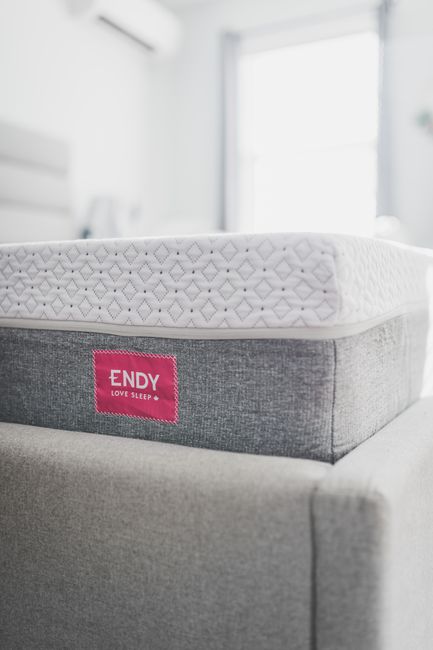
Spring forward from daylight saving time disrupts circadian rhythm for 1 to 3 weeks, with the lost hour showing up as visible fatigue, cognitive fog, and increased accident risk across Ontario. Mattress Miracle at 441½ West Street in Brantford recommends shifting bedtime 15 minutes earlier each night for four nights before the time change to minimize the adjustment. Dorothy notes that a comfortable mattress makes the earlier bedtime easier because you actually look forward to getting into bed. Call (519) 770-0001.
Medical Disclaimer: The information in this article is for educational purposes only and does not constitute medical advice. If you are experiencing chronic pain, sleep disorders, or other health conditions, please consult a qualified healthcare professional.
Find Your Perfect Mattress at Mattress Miracle
We are a family-owned mattress store in Brantford, helping our community sleep better since 1997. Come try mattresses in person and get honest, no-pressure advice.
441 1/2 West Street, Brantford, Ontario
Call 519-770-0001Frequently Asked Questions
How long does a mattress typically last?
Most quality mattresses last 7-10 years with proper care. Signs to replace include visible sagging over 1 inch, waking with pain, or sleeping better in hotels. Rotating your mattress regularly and using a protector extends its lifespan.
What firmness level is best for most people?
Medium-firm (around 6 on a 10-point scale) suits most sleepers and provides good spinal support. However, individual preference matters - side sleepers often prefer softer, while stomach sleepers need firmer. Try before you buy when possible.
Do I need a boxspring with a new mattress?
Most modern mattresses work fine without a traditional boxspring. Platform beds, slatted foundations (slats 3 inches apart or less), and adjustable bases all work well. Check your mattress warranty requirements.
How to Make the Best Sleep Product Decision
Follow these steps to choose the right sleep product with confidence.

Step 1: Research your options thoroughly
Spend time understanding what is available in the sleep product market. Read articles, compare features, and learn what separates quality from marketing. Informed shoppers consistently make better purchasing decisions.
Step 2: Define your priorities and budget
List what matters most to you in a sleep product: comfort, durability, style, size, or specific features. Set a budget range that reflects the importance of this purchase to your daily life. Quality sleep affects everything.
Step 3: Seek expert advice
Talk to someone with real experience in sleep products. At Mattress Miracle, our team has been helping families find the right sleep solutions since 1997. Expert guidance saves you from expensive mistakes and buyer's remorse.
Step 4: Test and compare before committing
Always try a sleep product before buying when possible. Visit our Brantford showroom at 441 1/2 West Street to test options side by side. Your body knows what feels right. Trust that more than any online review.
Step 5: Buy with confidence from a trusted retailer
Choose a retailer that stands behind their products with real warranty support and after-sale service. Mattress Miracle has been Brantford's trusted sleep store since 1997. Call 519-770-0001 or visit 441 1/2 West Street.
Sources
- Walker M. Why We Sleep: Unlocking the Power of Sleep and Dreams. Scribner. 2017. ISBN: 978-1501144318.
- Okamoto-Mizuno K, Mizuno K. Effects of thermal environment on sleep and circadian rhythm. J Physiol Anthropol. 2012;31(1):14. DOI: 10.1186/1880-6805-31-14
- Krauchi K. The thermophysiological cascade leading to sleep initiation in relation to phase of entrainment. Sleep Med Rev. 2007;11(6):439-451. DOI: 10.1016/j.smrv.2007.07.001
- Haskell EH, Palca JW, Walker JM, Berger RJ, Heller HC. The effects of high and low ambient temperatures on human sleep stages. Electroencephalogr Clin Neurophysiol. 1981;51(5):494-501.
Visit Our Brantford Showroom
We are located at 441½ West Street in downtown Brantford. Free parking available, wheelchair accessible. Our team does not work on commission, so you get honest advice based on your needs.
Mattress Miracle , 441½ West Street, Brantford, ON · (519) 770-0001
Hours: Monday–Wednesday 10am–6pm, Thursday–Friday 10am–7pm, Saturday 10am–5pm, Sunday 12pm–4pm.