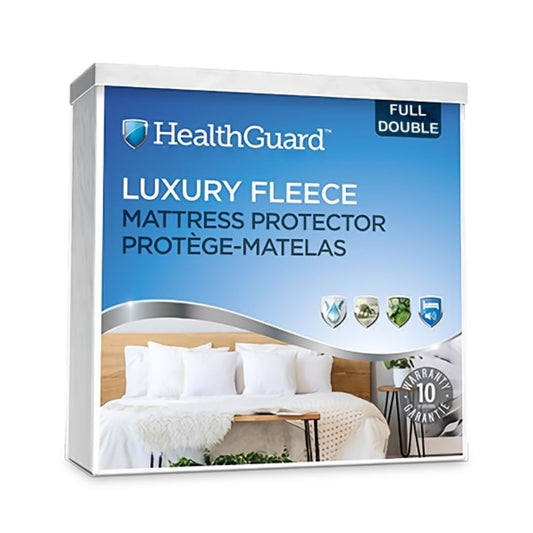
Quick Answer: Double Mattress Protector
A double mattress protector (also called a full-size protector) fits mattresses measuring 54" x 75" (137 x 191 cm). The best options use waterproof yet breathable membranes paired with cotton terry or bamboo fabric to guard against spills, allergens, and dust mites while keeping you cool. A quality protector typically costs between $40 and $120 CAD and can extend your mattress warranty by preventing stains that void coverage. At Mattress Miracle in Brantford, our team recommends fitted-sheet style protectors for easy washing and encasement protectors for full bed bug defence.
Table of Contents
- Why Every Double Mattress Needs a Protector
- Double Mattress Protector Size Chart
- Waterproof vs. Breathable: Which Style Works Best?
- Material Comparison: Cotton Terry, Bamboo, and Polyester
- Fitted Sheet vs. Encasement Protectors
- How a Protector Extends Your Mattress Warranty
- How to Choose the Right Double Mattress Protector
- Care and Maintenance Tips
- Common Mistakes to Avoid
- Frequently Asked Questions
- Related Reading
Why Every Double Mattress Needs a Protector
Your double mattress is one of the most-used pieces of furniture in your home. Over its lifetime, it absorbs sweat, dead skin cells, body oils, and accidental spills. Without a protector, these substances seep into the foam and fabric layers, creating an environment where dust mites, mould, and bacteria thrive. According to the Asthma and Allergy Foundation of America, dust mites are one of the most common indoor allergens, and mattresses are their primary habitat.[1]
A double mattress protector acts as a barrier between your body and the mattress surface. It catches moisture before it penetrates the mattress, blocks allergens from settling deep in the foam, and prevents stains that could void your manufacturer's warranty. For Canadian households, where heating systems run for months and humidity fluctuates with the seasons, this barrier is particularly important for maintaining a healthy sleep environment.
The Science Behind Mattress Contamination
Research published in the Journal of Allergy and Clinical Immunology found that the average mattress can harbour between 100,000 and 10 million dust mites after two years of use.[2] These microscopic creatures feed on dead skin cells and produce waste particles that trigger allergic reactions, asthma attacks, and eczema flare-ups. A properly fitted mattress protector with allergen-barrier properties can reduce dust mite populations by up to 99%, according to studies from the American College of Allergy, Asthma and Immunology.[3]
Beyond health concerns, there is a financial argument for using a protector. A quality double mattress in Canada typically costs between $600 and $2,500. A protector that costs $50 to $100 can add years to that investment by preventing the moisture damage and staining that break down mattress materials over time.
Night sweats alone can deposit significant moisture into a mattress. The average person loses roughly 200 to 500 millilitres of sweat per night, and couples sharing a double mattress can double that amount. Over months and years, this moisture encourages mould growth within the mattress, leading to odours and material degradation that no amount of cleaning can reverse.
Double Mattress Protector Size Chart
Getting the right fit is essential. A protector that is too large will bunch and shift during the night, while one that is too small will pop off the corners and leave your mattress exposed. The double size (also called "full" in some product lines) is a standard Canadian mattress dimension, but depth can vary significantly depending on the mattress type.
| Mattress Size | Width | Length | Common Depth Range |
|---|---|---|---|
| Double / Full | 54" (137 cm) | 75" (191 cm) | 8" - 14" (20 - 36 cm) |
| Double XL | 54" (137 cm) | 80" (203 cm) | 8" - 14" (20 - 36 cm) |
| Twin (for comparison) | 39" (99 cm) | 75" (191 cm) | 8" - 14" (20 - 36 cm) |
| Queen (for comparison) | 60" (152 cm) | 80" (203 cm) | 10" - 16" (25 - 41 cm) |
Measuring Your Double Mattress
Before purchasing a protector, measure your mattress depth from the bottom edge to the top surface. If you use a mattress topper, measure with the topper in place. Most fitted-style protectors accommodate depths up to 14 inches, but if your double mattress plus topper exceeds that, look for deep-pocket protectors rated for 16 to 18 inches. At Mattress Miracle, we carry protectors with stretch-knit skirts that fit depths from 8 to 21 inches.
Pay attention to the distinction between "double" and "full" sizing. In Canada, these terms are interchangeable and refer to the same 54" x 75" dimensions. However, some imported protectors labelled as "full" may use slightly different measurements based on American standards. Always verify the exact dimensions listed on the packaging rather than relying on the size name alone.
Waterproof vs. Breathable: Which Style Works Best?
This is the most common question customers ask when shopping for a double mattress protector. The good news is that modern protectors no longer force you to choose between waterproof protection and breathable comfort. Today's best options deliver both, though the degree of each varies by design and material.
Waterproof Protectors
Waterproof double mattress protectors use a thin membrane, typically made of thermoplastic polyurethane (TPU) or polyurethane laminate, bonded to the fabric surface. This membrane blocks all liquids from reaching the mattress while still allowing water vapour (from body heat and sweat) to pass through.
TPU membranes have largely replaced the older vinyl and PVC barriers that gave waterproof protectors their reputation for being hot and crinkly. Modern TPU is quiet, flexible, and far more breathable than its predecessors. A well-made TPU-backed protector can handle moisture vapour transmission rates (MVTR) of 800 to 2,000 grams per square metre per day, which is enough to keep most sleepers comfortable.[4]
Waterproof protectors are the best choice for:
- Households with young children or elderly family members
- People who experience night sweats
- Pet owners who allow animals on the bed
- Anyone who wants maximum warranty protection
- Allergy and asthma sufferers who need full barrier protection
Water-Resistant (Breathable) Protectors
Water-resistant protectors use tightly woven fabrics or light coatings rather than full membranes. They repel minor spills and splashes but will not stop a large volume of liquid from soaking through. Their advantage is superior airflow, which makes them a better match for hot sleepers or those who simply prefer the feel of natural fabric against their skin.
These protectors work well for:
- Adults without incontinence or night sweat concerns
- Hot sleepers who prioritize temperature regulation
- People who prefer a more natural fabric feel
- Guest bedrooms with lower risk of spills
| Feature | Waterproof (TPU Membrane) | Water-Resistant (Woven) |
|---|---|---|
| Liquid Protection | Complete barrier | Repels light spills only |
| Breathability | Good (varies by quality) | Excellent |
| Noise Level | Quiet with TPU; noisy with vinyl | Silent |
| Allergen Barrier | Strong | Moderate |
| Typical Price (CAD) | $45 - $120 | $30 - $80 |
| Best For | Families, allergy sufferers | Hot sleepers, guest rooms |
Local Insight: Brantford's Seasonal Humidity
Here in Brantford, our winters bring dry indoor air from furnace heating, while summers can push indoor humidity above 60%. This seasonal swing affects your mattress more than you might expect. A waterproof protector shields the mattress from absorbing excess humidity in summer, and in winter, it prevents the dry skin flakes that feed dust mites from embedding in the mattress. Our team at Mattress Miracle on West Street sees the difference firsthand when customers bring in unprotected mattresses that have developed mould or odour issues after just a couple of Ontario summers.
Material Comparison: Cotton Terry, Bamboo, and Polyester
The surface fabric of your double mattress protector determines how it feels against your fitted sheet and how well it manages temperature and moisture. Each material has distinct strengths, and the best choice depends on your priorities.
Cotton Terry
Cotton terry is the most popular material for mattress protectors in Canada. It uses the same looped-fibre construction found in bath towels, which gives it excellent moisture absorption and a soft, familiar texture. Cotton terry protectors are typically paired with a TPU waterproof backing to create a combination of comfort and protection.
The main advantage of cotton terry is its natural breathability and absorbency. It wicks moisture away from the sleeping surface, allowing it to evaporate rather than pooling. Cotton is also hypoallergenic, making it a safe choice for sensitive skin. On the downside, cotton terry can feel warm in hot weather and may shrink slightly after repeated washing if not properly cared for.
Bamboo Viscose
Bamboo viscose (sometimes labelled as bamboo rayon) has gained popularity for its temperature-regulating properties. Bamboo fibres are naturally moisture-wicking and feel cooler to the touch than cotton, making bamboo protectors a favourite among hot sleepers. Research from the textile industry suggests bamboo fabrics can feel up to 3 degrees Celsius cooler than cotton equivalents.[5]
Bamboo also has natural antimicrobial properties, though these diminish somewhat during the manufacturing process that converts raw bamboo into viscose fibre. Still, bamboo protectors tend to resist odour buildup better than synthetic alternatives. The trade-off is cost: bamboo protectors typically run 20% to 40% more than comparable cotton options.
Polyester and Microfibre
Polyester protectors are the most affordable option and offer good durability. Modern microfibre polyester can be surprisingly soft and resists wrinkling better than cotton. Polyester is also quick-drying, which is convenient for households that need to wash and replace protectors frequently.
The drawback is breathability. Polyester does not absorb moisture the way natural fibres do, so it relies entirely on the weave structure for airflow. Lower-quality polyester protectors can trap heat and create a clammy sleeping surface. If you choose polyester, look for protectors with a high thread count and a knit (rather than woven) construction for better airflow.
| Property | Cotton Terry | Bamboo Viscose | Polyester / Microfibre |
|---|---|---|---|
| Breathability | Very Good | Excellent | Fair to Good |
| Moisture Wicking | Good | Excellent | Fair |
| Temperature Feel | Neutral to Warm | Cool | Warm |
| Durability | Good (may shrink) | Good | Excellent |
| Hypoallergenic | Yes | Yes | Varies |
| Price Range (CAD) | $40 - $90 | $60 - $120 | $25 - $60 |
| Best For | All-round comfort | Hot sleepers | Budget-friendly durability |
Brad, Owner of Mattress Miracle: "I always tell customers that a double mattress protector is the cheapest insurance you can buy for your bed. We have been in Brantford since 1997, and the most common issue we see is mattresses that develop stains or odour within the first year because they were never protected. A $60 cotton terry protector can save you from needing a $1,000 replacement five years too soon."
Fitted Sheet vs. Encasement Protectors
Double mattress protectors come in two basic styles, and each serves a different purpose. Understanding the distinction helps you pick the right level of coverage for your situation.
Fitted Sheet Style
Fitted-style protectors look and work like a regular fitted sheet. They wrap over the top and sides of the mattress with an elasticized skirt that tucks under the edges. The protective barrier covers the sleeping surface and the upper portion of the sides, while the bottom of the mattress remains open.
This design is the most popular because it is easy to put on and take off for washing. Most people can swap a fitted protector in under two minutes, which encourages regular laundering. The elastic skirt also accommodates a range of mattress depths, making sizing less of a concern.
Fitted protectors are ideal for general-purpose protection against spills, sweat, and allergens on the sleeping surface. They work well for most households and are the standard recommendation for everyday use.
Encasement Style (Zippered)
Encasement protectors wrap the entire mattress on all six sides, sealed with a zipper that runs along three edges. They create a complete barrier around the mattress, leaving no gaps for bed bugs, dust mites, or liquids to penetrate.
This total coverage makes encasements the only reliable option for bed bug prevention and management. Bed bugs can enter a mattress through the bottom, sides, or seams, and a fitted-style protector leaves all of these areas exposed. An encasement traps any existing bed bugs inside (where they eventually die) and prevents new ones from establishing a colony.
The trade-off is convenience. Removing and replacing an encasement takes more time and effort than a fitted protector, which means it gets washed less frequently. Some encasements also restrict airflow to the bottom of the mattress, which can contribute to moisture buildup on platform beds without slats.
| Feature | Fitted Sheet Style | Encasement (Zippered) |
|---|---|---|
| Coverage | Top and sides only | All six sides |
| Bed Bug Protection | No | Yes |
| Ease of Use | Very easy | Moderate |
| Washing Frequency | Every 1-2 weeks | Every 1-3 months |
| Allergen Barrier | Partial | Complete |
| Typical Price (CAD) | $35 - $90 | $60 - $150 |
When to Choose an Encasement
Consider a zippered encasement for your double mattress if any of the following apply: you live in an apartment building (where bed bugs can migrate between units), you purchased a used mattress, you have severe dust mite allergies, or you want the highest possible level of mattress protection. For new mattresses purchased from a trusted retailer like Mattress Miracle, a fitted-style protector is usually sufficient for warranty protection and everyday use.
How a Protector Extends Your Mattress Warranty
Most mattress manufacturers include a clause in their warranty that voids coverage if the mattress shows visible stains. This applies to virtually every major brand sold in Canada, from Sealy and Serta to Tempur-Pedic and Kingsdown. The logic is straightforward: stains indicate liquid exposure, and liquid damage can alter the mattress materials in ways that mimic manufacturing defects, making it impossible for the manufacturer to determine whether a problem is a genuine defect or the result of misuse.
A double mattress protector prevents this issue entirely. By blocking all liquids from reaching the mattress surface, it keeps the mattress in warranty-compliant condition throughout its lifespan. This matters because mattress warranties typically run 10 to 15 years, and a lot can happen in that time. A single coffee spill, a child's accident, or even excessive sweat can create a stain that voids thousands of dollars in warranty coverage.
Some mattress retailers, including Mattress Miracle, strongly recommend purchasing a protector with every new mattress. It is one of the simplest steps you can take to safeguard your investment, and many customers tell us they wish they had started using one sooner.
Dorothy, Sleep Specialist at Mattress Miracle: "We have had customers bring in warranty claims where the mattress had a clear manufacturing defect, but the claim was denied because of a small stain on the corner. It is heartbreaking. A $50 protector would have saved them the entire cost of a replacement mattress. That is why we recommend one with every purchase, no exceptions."
What Warranties Typically Cover
To put the protector's role in context, here is what most mattress warranties cover and how stains interfere:
- Sagging or body impressions deeper than 1.5 inches (the most common warranty claim). A stain near the sag area can cause denial.
- Broken or protruding coils in innerspring mattresses. Stains may suggest liquid damage weakened the coil unit.
- Manufacturing defects in stitching, foam layers, or cover fabric. Any stain creates ambiguity about the defect's cause.
- Foam deterioration beyond normal wear. Moisture accelerates foam breakdown, making stain-related claims unprovable.
In every case, a clean, unstained mattress removes the manufacturer's grounds for denial. A waterproof protector ensures that clean condition is maintained year after year.
How to Choose the Right Double Mattress Protector
With dozens of options available, narrowing down the right double mattress protector can feel overwhelming. Here is a practical framework based on the factors that matter most.
Step 1: Determine Your Primary Need
Ask yourself what you need the protector to do most. If waterproofing is the priority (children, pets, night sweats), choose a TPU-backed protector. If allergen control is the main concern, look for protectors certified by organizations like the Asthma and Allergy Foundation. If comfort and temperature regulation matter most, bamboo or high-quality cotton terry should be your focus.
Step 2: Check the Depth Rating
Measure your double mattress from bottom to top. Add the height of any topper you use. Then choose a protector with a depth rating that exceeds your total measurement by at least one inch. This ensures a snug fit without the protector popping off the corners during the night.
Step 3: Consider Your Washing Routine
If you plan to wash the protector weekly (which is ideal), choose a fitted-style protector in a durable material that holds up to frequent laundering. Cotton terry and polyester both handle repeated washing well. Bamboo requires gentler care, with cold-water washing and low-heat drying recommended to prevent fibre damage.
Step 4: Check Certifications
Look for protectors with OEKO-TEX Standard 100 or CertiPUR-US certifications, which confirm the materials have been tested for harmful chemicals. These certifications are especially important for protectors with waterproof membranes, as lower-quality membranes may contain volatile organic compounds (VOCs) that off-gas into your sleeping environment.
Step 5: Read the Return Policy
Some protectors feel different from what you expect based on the packaging description. A generous return policy allows you to test the protector on your bed for a few nights and exchange it if the feel, fit, or noise level is not right. At Mattress Miracle, our team can help you compare protectors in person so you know exactly what you are getting before you buy.
Care and Maintenance Tips
A double mattress protector only works if it is kept clean and in good condition. Here are the care practices that will keep your protector performing at its best.
Washing Frequency
Wash your fitted-style protector every one to two weeks, along with your sheets. This prevents the buildup of dead skin cells, body oils, and dust mite waste on the protector surface. Encasement protectors can be washed less frequently (every one to three months) since they are designed for longer-term placement.
Washing Instructions
- Use warm water (not hot) to prevent shrinkage and membrane damage
- Choose a mild, fragrance-free detergent to preserve the waterproof coating
- Avoid bleach, which can degrade TPU membranes and weaken fabric fibres
- Do not use fabric softener, which coats fibres and reduces absorbency and waterproofing
- Wash the protector separately or with similar lightweight items to prevent snagging
Drying Instructions
- Tumble dry on low heat or air dry when possible
- High heat is the number one cause of premature protector failure, as it can melt or crack TPU membranes
- Remove the protector from the dryer promptly to prevent wrinkles that can affect fit
- Never iron a mattress protector, as the heat will destroy the waterproof layer
Pro Tip: Keep a Spare
Having two double mattress protectors in rotation means you always have a clean one ready while the other is in the wash. This is especially useful for families with young children or anyone dealing with incontinence, where middle-of-the-night changes happen. It also extends the life of each protector since neither one endures the full burden of weekly washing alone.
When to Replace Your Protector
Even with proper care, mattress protectors wear out over time. Replace yours when you notice any of the following signs:
- The waterproof membrane no longer blocks liquids (test by pouring a small amount of water on the surface)
- The elastic has lost its stretch and the protector no longer grips the mattress corners
- The fabric has thinned, developed holes, or shows visible pilling
- Persistent odours remain after washing
- The protector is more than two to three years old with regular use
Common Mistakes to Avoid
After helping thousands of Brantford-area customers choose mattress protectors over nearly four decades, our team at Mattress Miracle has seen the same mistakes come up again and again. Avoiding these will save you money and frustration.
Mistake 1: Choosing by Price Alone
The cheapest protectors often use vinyl or PVC waterproof layers that crinkle with every movement, trap heat, and crack after a few washes. Spending a little more on a TPU-backed protector with a quality fabric surface pays for itself in comfort and longevity. A good protector should last two to three years with regular washing. A cheap one may fail in months.
Mistake 2: Ignoring Mattress Depth
A protector rated for a 12-inch mattress will not stay on a 15-inch pillow-top. The elastic will strain, pop off the corners, and bunch underneath you. Always measure your mattress and match the protector's depth rating accordingly. If you are between sizes, go up.
Mistake 3: Using Fabric Softener
Fabric softener coats fibres with a waxy residue that repels water. On a mattress protector, this coating interferes with both the absorbent surface layer and the waterproof membrane, reducing the protector's ability to wick moisture and block spills. Use a mild detergent only.
Mistake 4: Washing on High Heat
High-temperature washing and drying is the fastest way to destroy a waterproof mattress protector. The heat causes TPU membranes to crack, peel, and lose their waterproof integrity. Stick to warm water and low-heat drying to maximize the protector's lifespan.
Mistake 5: Skipping the Protector on a New Mattress
Some people wait until their mattress shows signs of wear before adding a protector. By then, the damage is already done. Dust mites have colonized the foam, body oils have penetrated the fabric, and warranty-voiding stains may already be present. Put a protector on your new mattress the day it arrives.
Frequently Asked Questions
Shop This Topic at Mattress Miracle
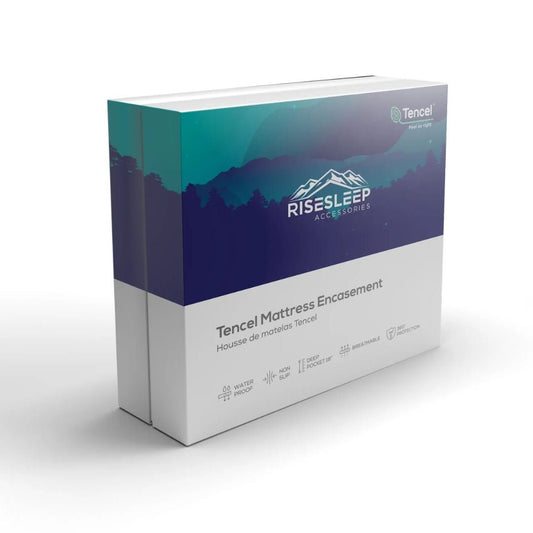
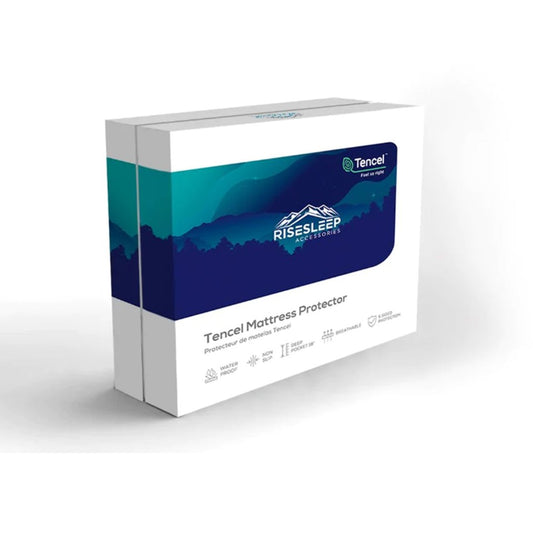
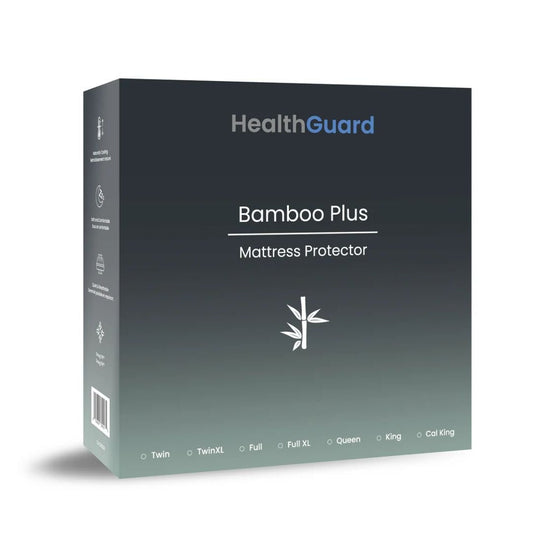
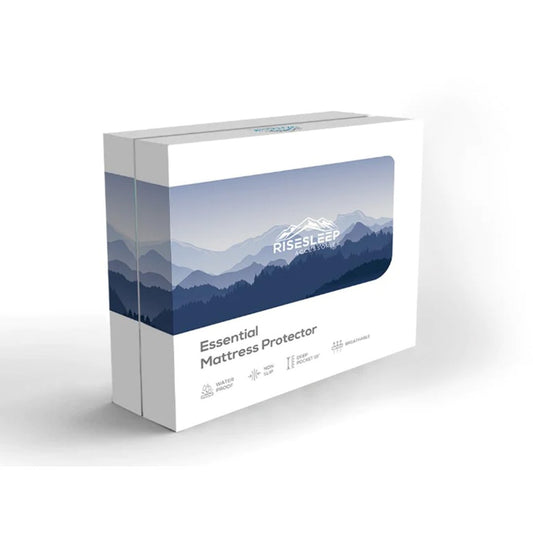
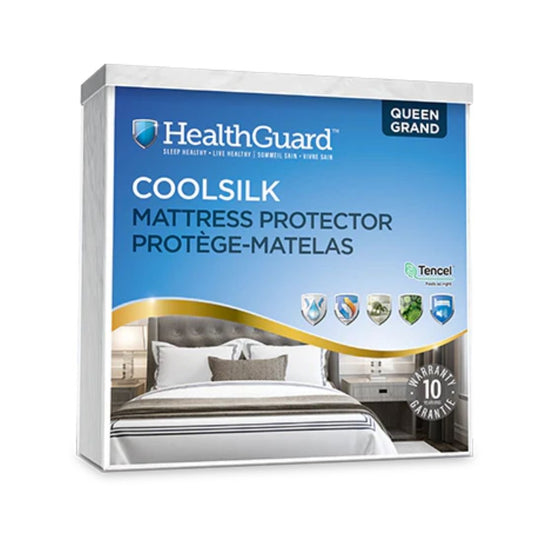
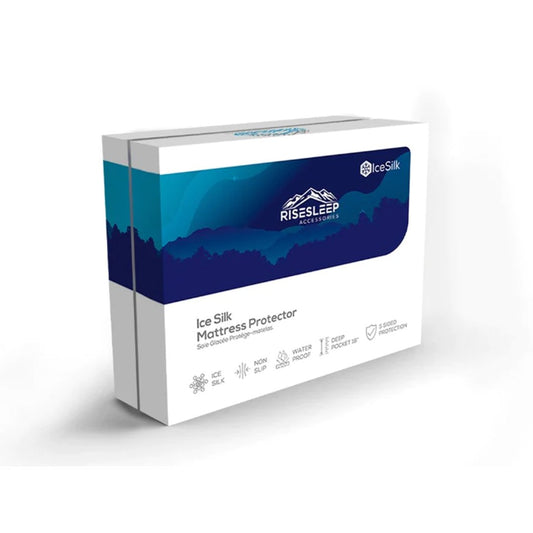
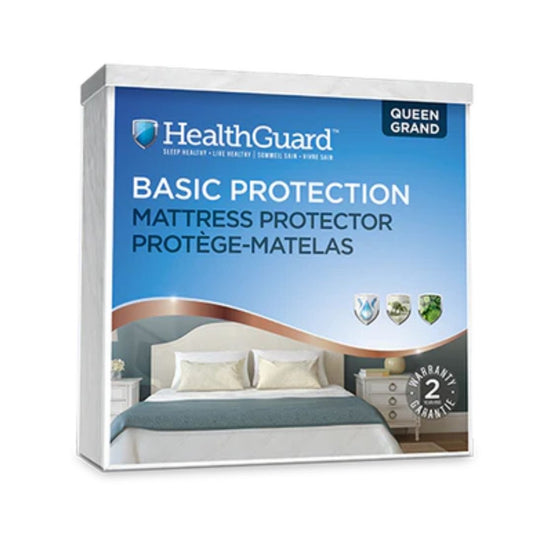
Mattress protectors at Mattress Miracle:
Or mattress protectors in our Brantford showroom.
Find Your Perfect Mattress at Mattress Miracle
We are a family-owned mattress store in Brantford, helping our community sleep better since 1997. Come try mattresses in person and get honest, no-pressure advice.
441 1/2 West Street, Brantford, Ontario
Call 519-770-0001What size is a double mattress protector in Canada?
A double mattress protector in Canada fits the standard double (or full) mattress dimensions of 54 inches wide by 75 inches long (137 x 191 cm). Make sure to check the depth rating as well, since double mattresses range from 8 to 14 inches deep depending on the model. If you use a mattress topper, measure the total height and choose a protector with a depth rating that matches.
Can I put a mattress protector in the dryer?
Yes, but always use low heat. High dryer temperatures can melt or crack the waterproof membrane (usually TPU), reducing the protector's effectiveness. Tumble dry on the lowest heat setting or air dry flat. Never iron a mattress protector. Remove it from the dryer promptly to avoid heat damage from residual warmth.
Do mattress protectors make the bed hot?
Modern mattress protectors with TPU waterproof membranes are much more breathable than older vinyl designs. Cotton terry and bamboo surface fabrics wick moisture and allow air circulation. If you tend to sleep hot, choose a bamboo protector or a cotton terry option with a breathable TPU layer. Avoid vinyl or PVC protectors entirely, as these trap heat and moisture against the body.
How often should I wash a double mattress protector?
Wash a fitted-style protector every one to two weeks, ideally at the same time as your sheets. This prevents the accumulation of dead skin cells, oils, and allergens on the protector surface. Encasement-style protectors can be washed every one to three months since they are harder to remove. Always use warm (not hot) water and a mild detergent without fabric softener.
Will a mattress protector stop bed bugs?
Only an encasement-style protector with a secure zipper can stop bed bugs. Fitted sheet-style protectors leave the bottom and sides of the mattress exposed, allowing bed bugs to enter and exit freely. For bed bug prevention, choose an encasement protector with a zipper that has a small enough tooth size to block bed bug entry and a secure closure flap. Learn more about bed bug signs and mattress stains on our blog.
Visit Mattress Miracle in Brantford
Choosing the right double mattress protector is easier when you can see, touch, and compare your options in person. At Mattress Miracle, located at 441 1/2 West Street in Brantford, our team is ready to help you find the perfect protector for your mattress, sleeping style, and budget.
Brad, Dorothy, and Talia bring decades of combined bedding expertise to every customer interaction. Whether you need a waterproof protector for a child's bed, a cooling bamboo option for hot summer nights, or a full encasement for allergy management, we carry options from trusted brands at competitive prices.
Stop by during our store hours: Monday through Wednesday from 10 AM to 6 PM, Thursday and Friday from 10 AM to 7 PM, Saturday from 10 AM to 5 PM, and Sunday from 12 PM to 4 PM. You can also call us at (519) 770-0001 to ask questions or check product availability before your visit.
Browse our full selection of mattress protectors and mattresses online, or explore our guides to mattress zipper covers and twin bed mattress covers for more sizing and style advice.
Visit Our Brantford Showroom
We are located at 441½ West Street in downtown Brantford. Free parking available. Our team does not work on commission, so you get honest advice based on your needs.
Mattress Miracle , 441½ West Street, Brantford, ON · (519) 770-0001
Hours: Monday–Wednesday 10am–6pm, Thursday–Friday 10am–7pm, Saturday 10am–5pm, Sunday 12pm–4pm.