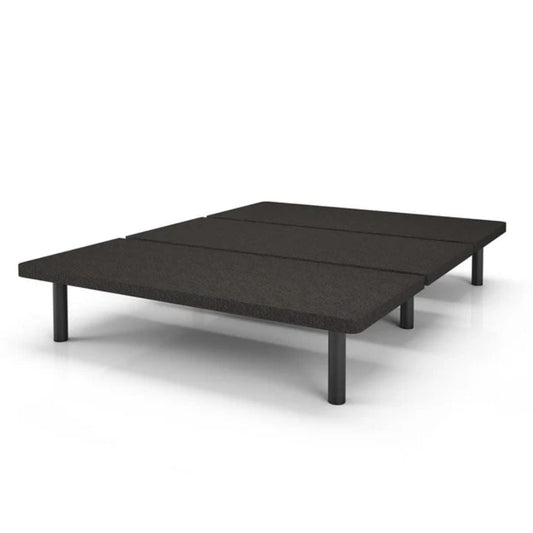
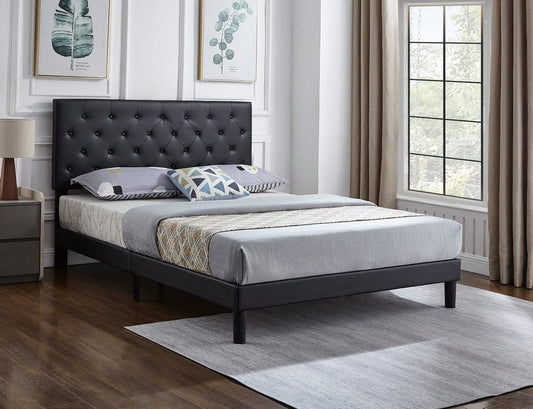
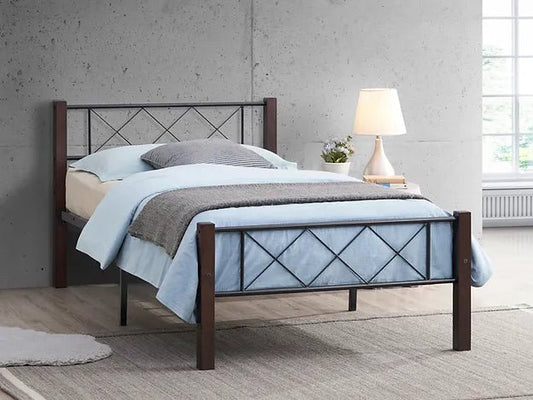
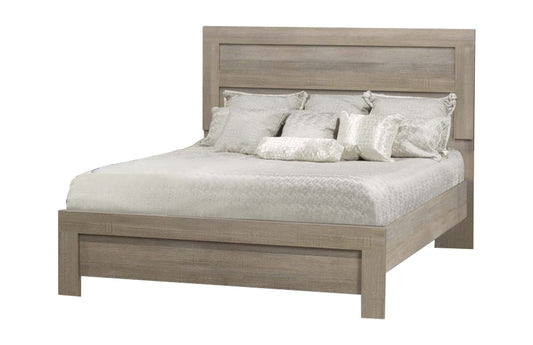
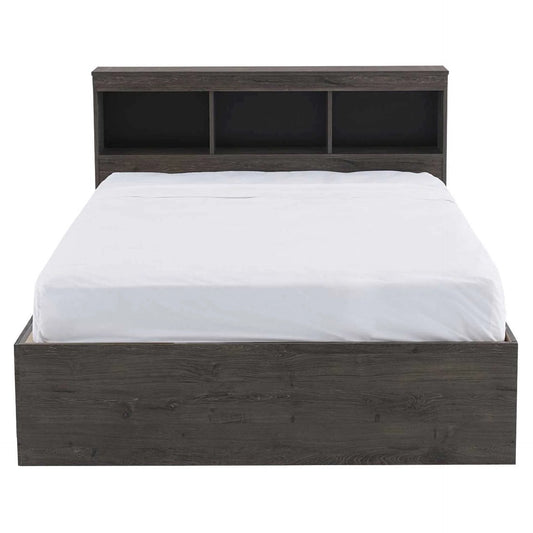
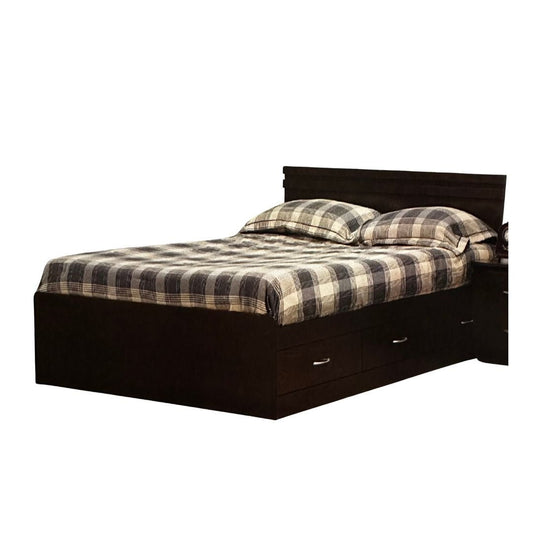
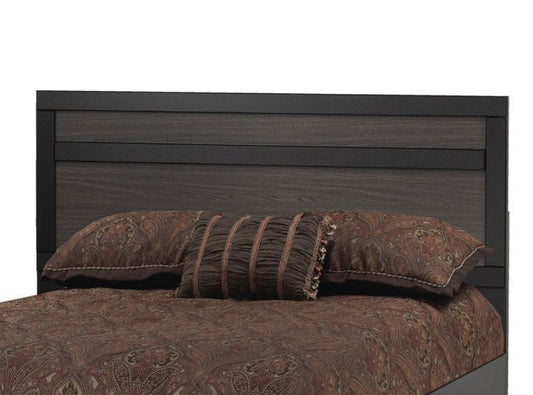
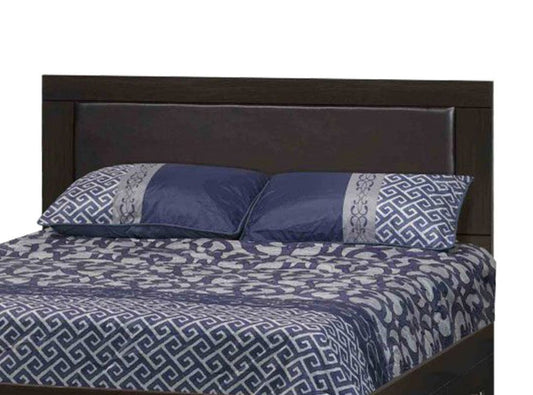
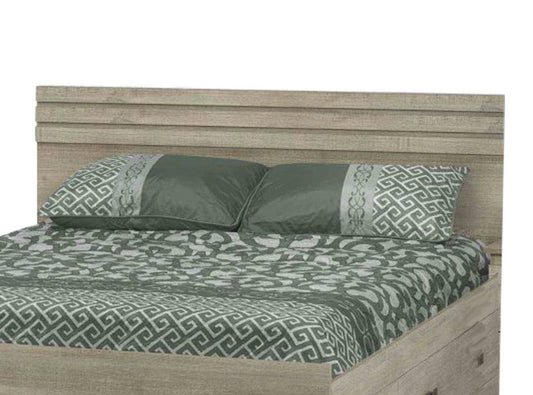
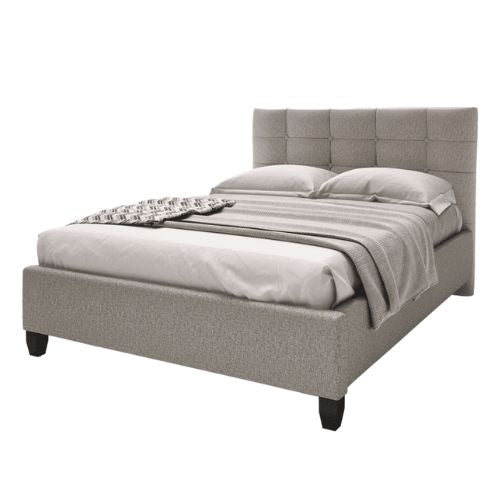
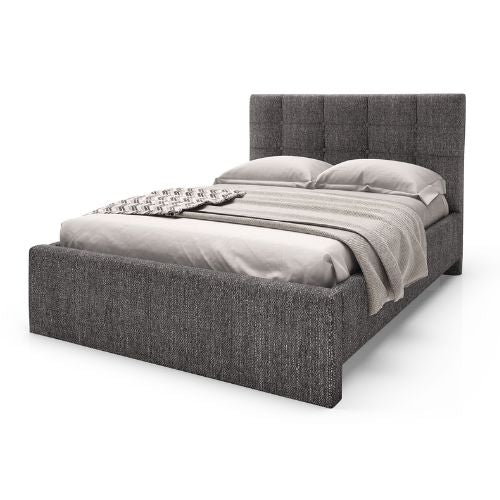
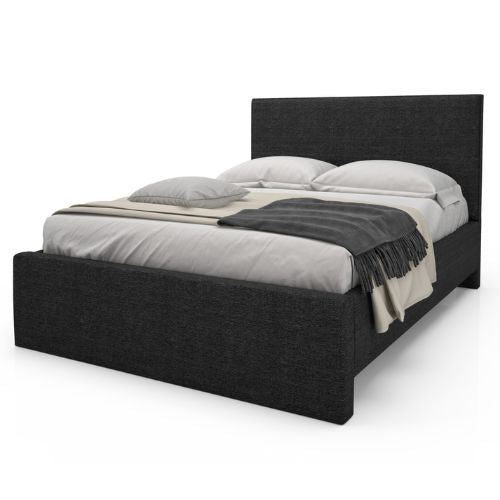
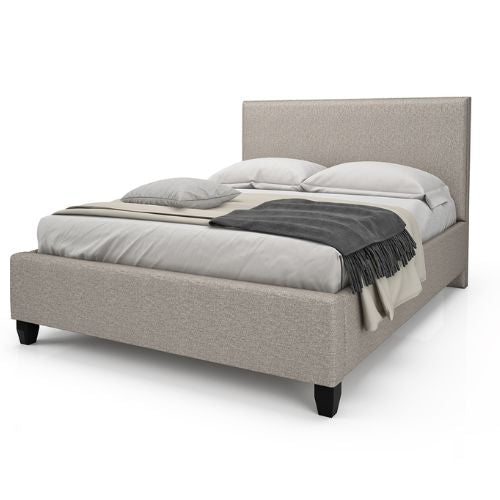
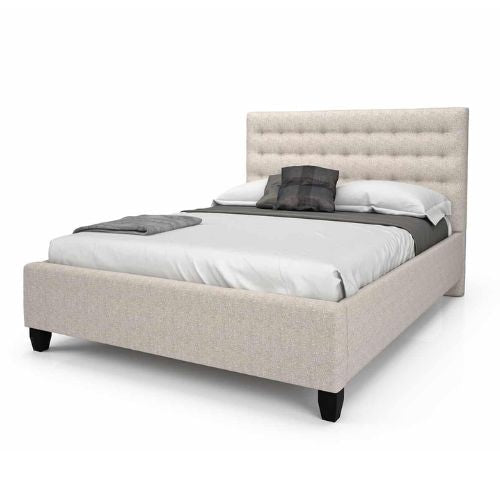
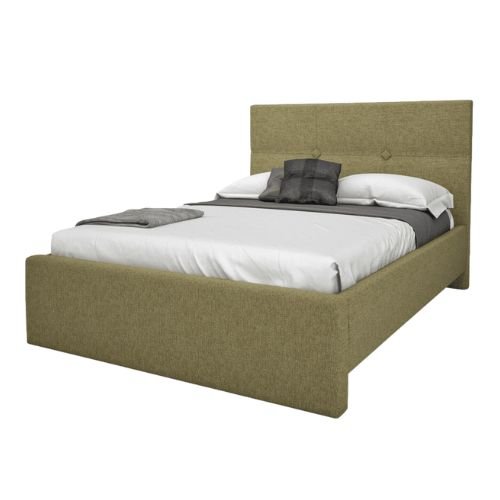
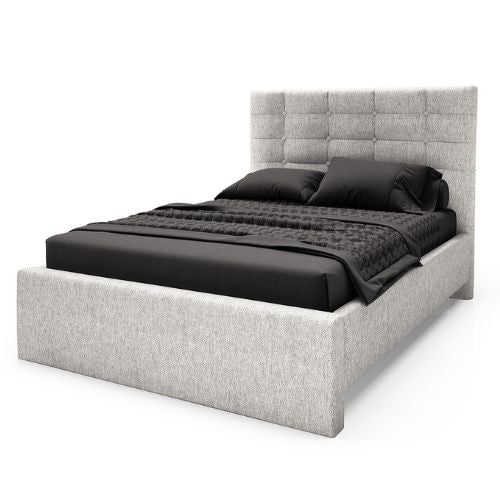
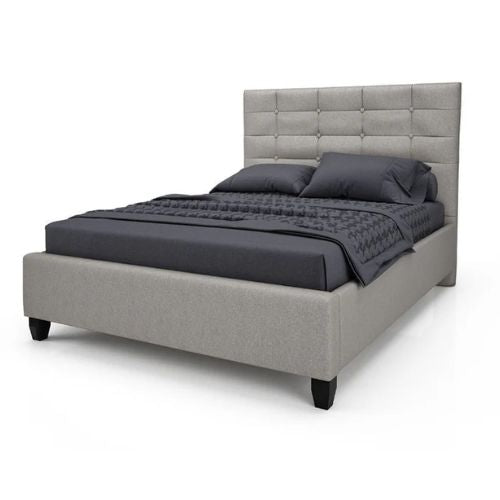
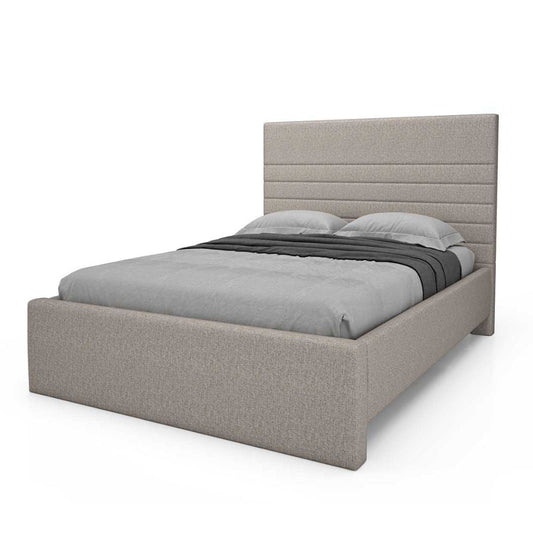
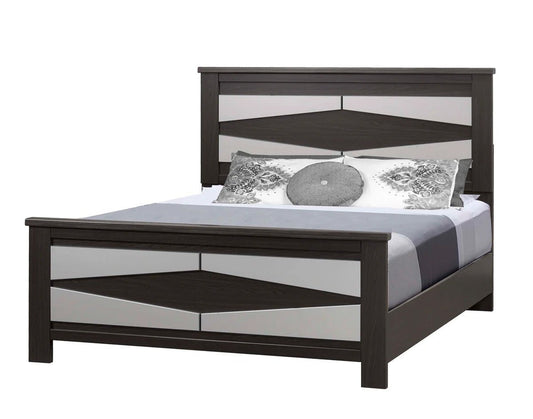
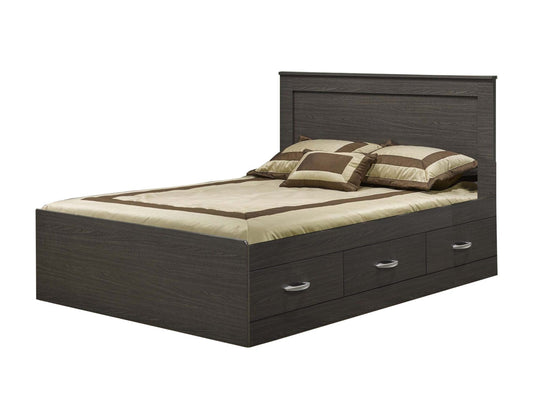
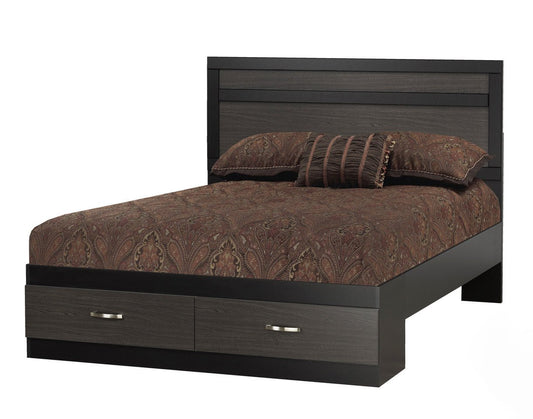
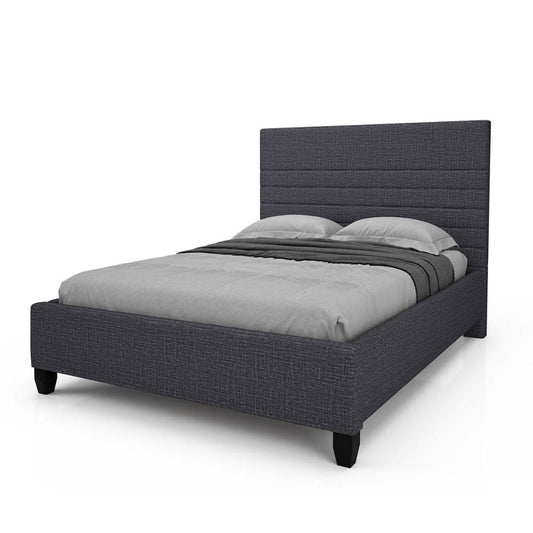
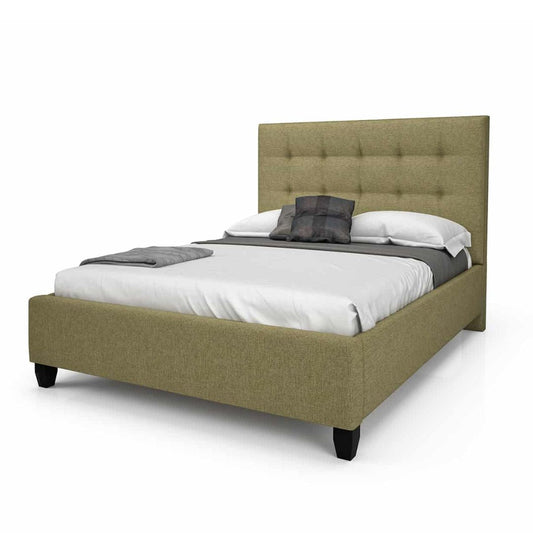
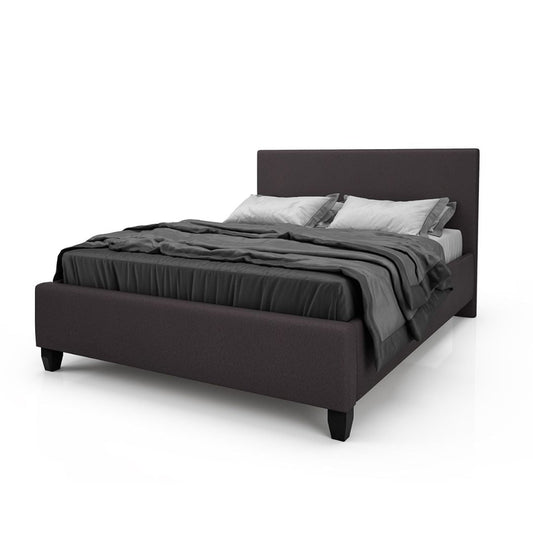
Quick Answer: Platform beds have become the dominant choice for queen mattresses over the past decade. They feature a built-in support system, either slats or a solid surface, that holds your mattress directly without needing a box spring.
With so many queen bed frame options, how do you know which one won't squeak, sag, or fall apart?
That question stops nearly everyone who walks into our showroom at 441 1/2 West Street. You're standing there, looking at rows of bed frames, and they all look similar at first glance. Metal ones, wooden ones, some with drawers, some without. How do you tell which one will still be solid five years from now?
We've been helping Brantford families choose bed frames since 1997. We've seen the cheap frames that collapse after a year. We've seen the quality ones that get passed down through generations. The difference isn't always obvious at first glance, but it's real, and it matters for your sleep quality and your wallet.
This guide covers everything you need to know about queen bed frames. We'll walk through the different types, materials, what to look for in construction quality, how much you should expect to pay, and which options make sense for your specific situation. By the end, you'll know exactly what to look for, and what to avoid, when shopping for your next queen bed frame.
A queen bed frame needs centre support to protect your mattress warranty. Mattress Miracle at 441½ West Street in Brantford carries IFDC, Lakewood, and Charlotte queen frames with proper centre rails. Many online frames skip this component, which can void the mattress warranty if the mattress sags. Brad checks frame specifications before every delivery. Call (519) 770-0001.
Quick Answer
Choose a queen platform bed with solid wood or heavy-gauge steel construction, slats spaced under 3 inches apart, and center support legs. Avoid frames with plastic joints or single-rail center supports. Quality queen frames cost $400-$1,500 in Canada and should support 600-1,000+ pounds total weight. Platform beds work with all modern mattresses without needing a box spring.
22 min read
Queen Bed Frame Types Explained
Not all queen bed frames work the same way. The type you choose affects mattress compatibility, storage options, bedroom aesthetics, and even how easy it is to make your bed each morning. Let's break down the five main types you'll encounter in Canadian furniture stores.
Platform Beds: The Modern Standard
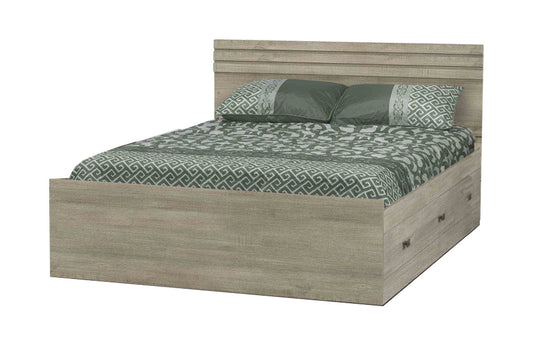
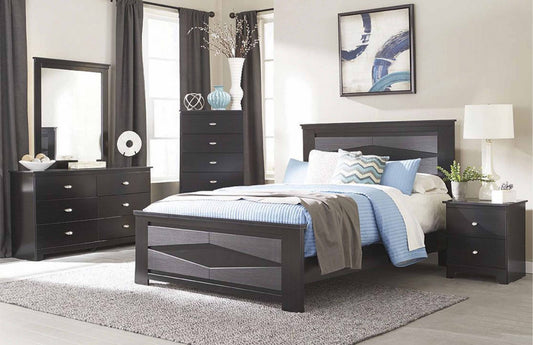
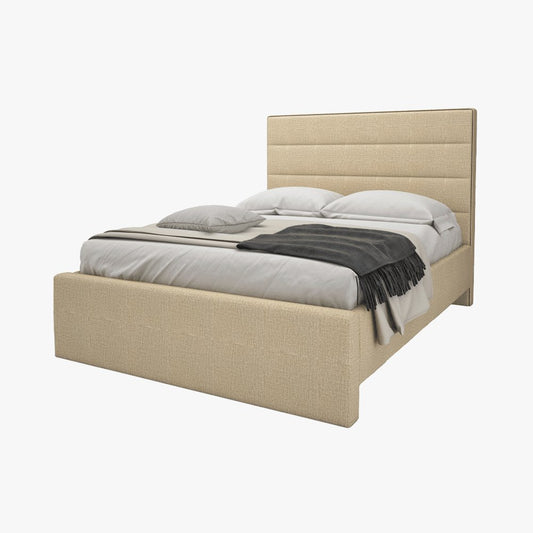
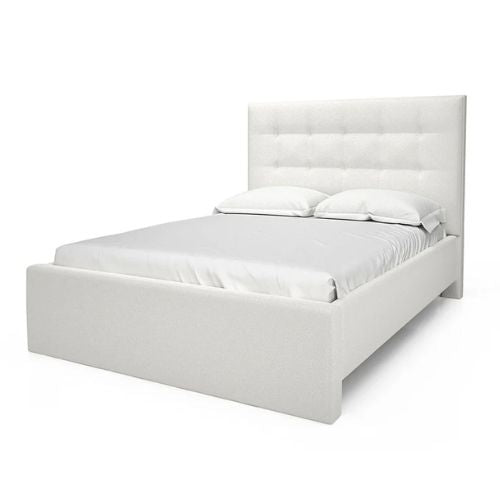
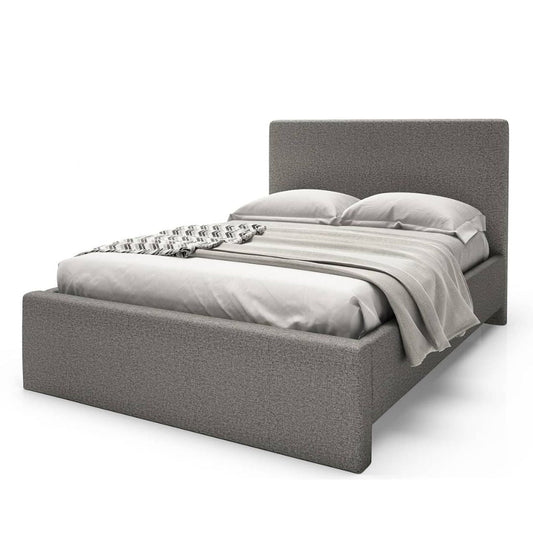
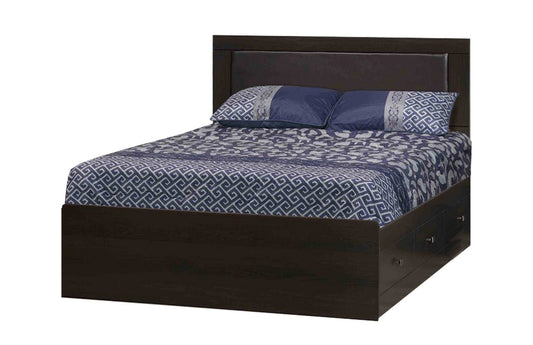
Platform beds have become the dominant choice for queen mattresses over the past decade. They feature a built-in support system, either slats or a solid surface, that holds your mattress directly without needing a box spring.
The queen platform bed typically sits 10-14 inches off the ground at the mattress support level. Add your mattress (usually 10-14 inches thick), and your sleeping surface ends up 20-28 inches high, lower than traditional bed setups but comfortable for most people.
Why platform beds took over: Modern mattresses (memory foam, latex, hybrid) were designed for solid, flat support. Platform beds provide exactly that. They also save you $200-$500 by eliminating the box spring purchase, and many include storage options perfect for smaller bedrooms.
Platform bed pros: No box spring needed, clean modern aesthetic, often include storage, work with all mattress types, typically very stable
Platform bed cons: Lower bed height (not ideal for those with mobility issues), heavier to move, storage versions can be expensive
Panel Beds: Traditional and Versatile
Panel beds consist of a headboard, footboard, and side rails. They're designed to work with a box spring or foundation, though many can be adapted with a bunkie board or slat system.
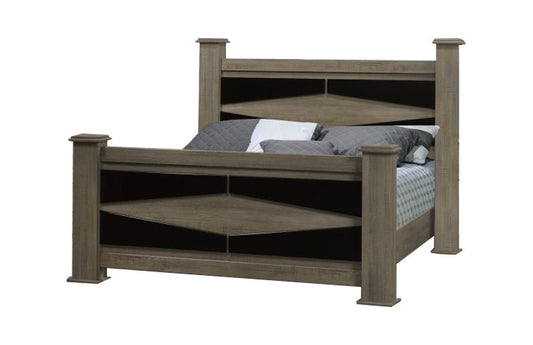
The panel bed style dominates traditional and transitional bedroom décor. The headboard and footboard create a complete furniture statement, and the added height makes changing sheets easier for some people.
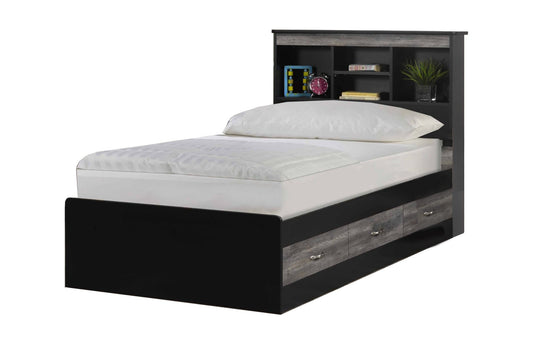
A queen panel bed typically sits higher than a platform bed, 25-30 inches at the mattress surface when paired with a standard foundation. This higher profile suits people who prefer getting in and out of bed without bending down as far.
Sleigh Beds: Dramatic and Traditional
Sleigh beds feature curved headboard and footboard designs that resemble, you guessed it, a sleigh. The curves are achieved through steam-bending solid wood or using molded materials.
Queen sleigh beds make a statement. They become the visual centerpiece of your bedroom. The curved design works beautifully in traditional, transitional, and even some contemporary spaces.
The downside? Weight and cost. A solid wood queen sleigh bed can weigh 200-300 pounds. The complex curves require quality materials and construction to maintain their shape over time. Expect to pay $1,200-$2,500 for a well-made queen sleigh bed.
Canopy Beds: Dramatic Height
Canopy beds feature four posts that extend above the mattress, often connected by rails at the top. The queen canopy bed creates a sense of enclosure and vertical drama in your bedroom.
Traditional canopy beds use the overhead rails to support fabric drapes. Modern versions often leave the frame exposed as an architectural element. Either way, canopy beds require ceiling height, at least 8 feet, preferably more.
In Brantford's older homes, particularly in the downtown heritage district, canopy beds can be challenging. Many century homes have 7.5-8 foot ceilings that make canopy beds feel cramped. Measure carefully before committing to this style.
Storage Beds: Maximum Functionality
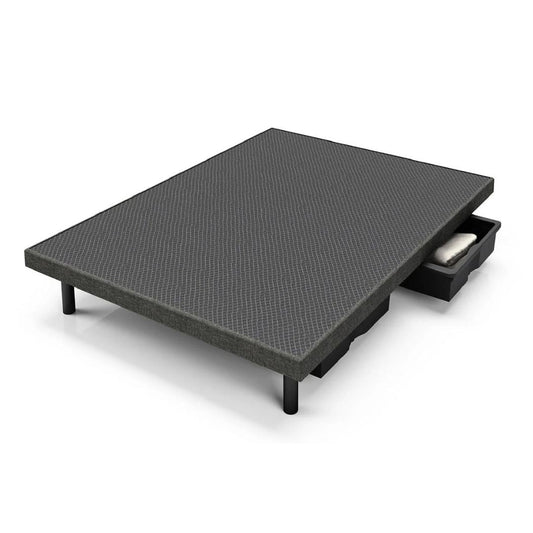
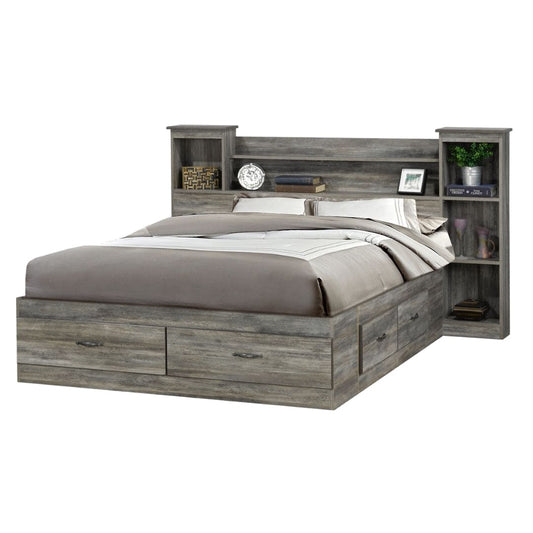
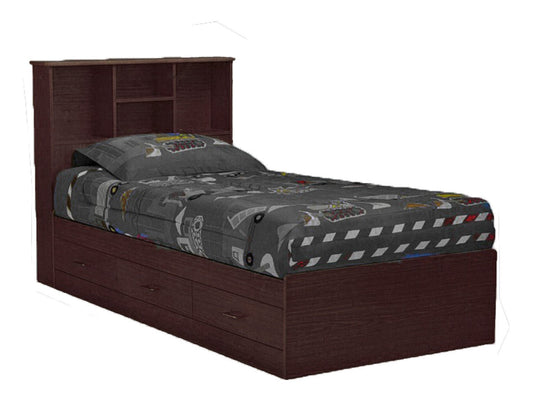
Storage beds incorporate drawers or lift-up mechanisms into the bed frame itself. For queen sizes, this typically means 2-4 drawers integrated into the base, providing storage space equivalent to a small dresser.
Storage Bed Reality Check
Here's what we tell customers at our West Street showroom: a queen storage bed can eliminate the need for a separate dresser in smaller bedrooms. The drawer space typically equals 6-10 cubic feet of storage, enough for seasonal clothing, extra bedding, or whatever else clutters your bedroom. For Brantford's older homes with smaller bedrooms, this can be transformational.
Drawer storage: Pull-out drawers on one or both sides. Better quality drawers use ball-bearing glides that operate smoothly even when loaded with heavy items.
Ottoman (lift-up) storage: The entire mattress platform lifts on gas struts, revealing a large cavity underneath. More total storage space than drawers, but less convenient for frequent access.
Storage beds add $300-$800 to the base price of a queen frame, but they can save you from buying a separate dresser ($400-$800), making them economical overall.
| Frame Type | Height | Box Spring Needed | Storage | Best For |
|---|---|---|---|---|
| Platform | 20-26" | No | Sometimes | Modern décor, foam mattresses |
| Panel | 25-30" | Yes | Under-bed only | Traditional décor, higher beds |
| Sleigh | 25-30" | Yes | Minimal | Statement piece, traditional rooms |
| Canopy | 25-30" | Yes | Under-bed only | Tall ceilings, dramatic style |
| Storage | 22-28" | No | Built-in drawers | Small bedrooms, maximizing space |
↔ Scroll to see full table
Material Options: Metal, Wood, Upholstered, and Combinations
The material your queen bed frame is made from determines its durability, weight capacity, aesthetics, and price. Here's what you need to know about each option.
Metal Bed Frames: Affordable and Practical
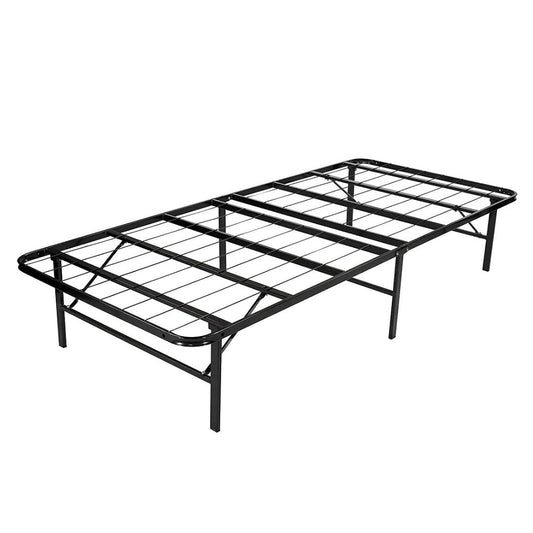
Metal bed frames range from basic budget options to heavy-duty designs. Understanding the differences helps you choose wisely.
Budget metal frames ($150-$400): These use thinner gauge steel (16-18 gauge) and often feature plastic joint pieces at connection points. They're functional but not built for the long haul. Weight capacity typically runs 400-600 pounds.
Mid-range metal frames ($400-$800): Thicker steel (14-16 gauge), better welding at joints, fewer plastic components. Weight capacity of 600-1,000 pounds. These can last 10-15 years with care.
Heavy-duty metal frames ($800-$1,500): Thick steel (12-14 gauge), extensive welding, no plastic parts, often featuring center support legs and additional cross-bracing. Weight capacities of 1,000-2,000 pounds. Built to last decades.
Metal Frame Gauge Guide
Steel gauge is counterintuitive, lower numbers mean thicker, stronger steel:
- 12-14 gauge: Heavy-duty, commercial quality, 1,000+ lb capacity
- 14-16 gauge: Good residential quality, 600-1,000 lb capacity
- 16-18 gauge: Budget grade, 400-600 lb capacity
- 18+ gauge: Very light duty, avoid for queen sizes
Metal frame pros: Affordable, lightweight (relatively), easy to disassemble for moving, modern industrial aesthetic, no humidity concerns
Metal frame cons: Can squeak over time, colder aesthetic, thinner frames can flex, potential for rust in humid conditions
Wood Bed Frames: Warm and Durable
Wood remains the premium choice for queen bed frames. The natural material brings warmth to your bedroom and, when properly constructed, can last generations.
Softwood options (pine, rubberwood): $400-$800. Lighter weight, more affordable, but dents and scratches more easily. Good for 5-10 years of use.
Hardwood options (oak, maple): $800-$1,800. Significantly more durable, resists denting, beautiful grain patterns. Expect 15-20+ years of service.
Premium hardwoods (walnut, cherry): $1,500-$3,000+. Stunning aesthetics, exceptional durability, often become heirloom pieces.
For queen bed frames specifically, we typically recommend hardwood construction. The larger size puts more stress on the frame, and the weight of two sleepers plus a heavy mattress (modern hybrids can weigh 100+ pounds) demands sturdy support.
Upholstered Bed Frames: Soft and Stylish
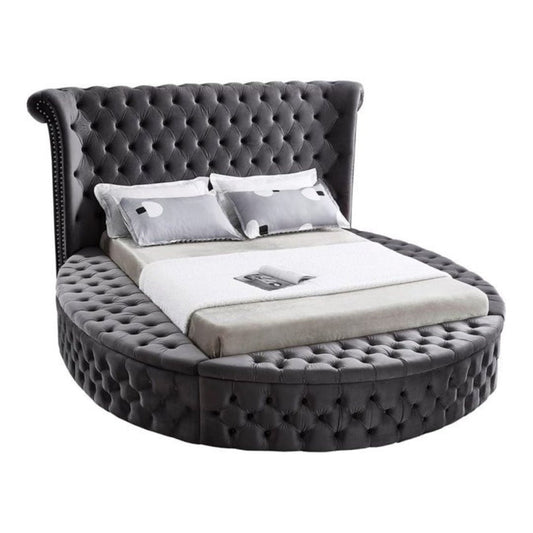
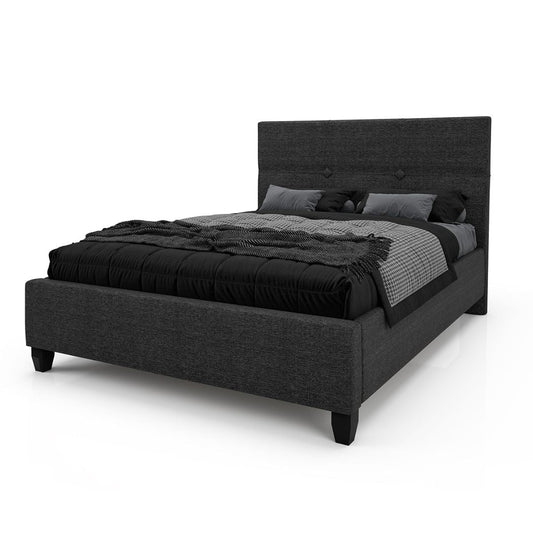
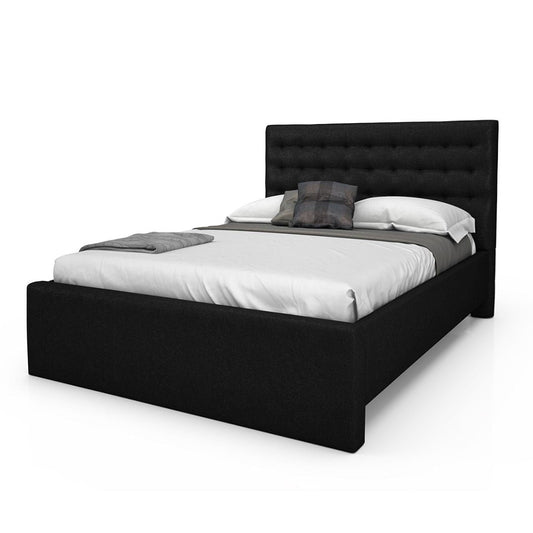
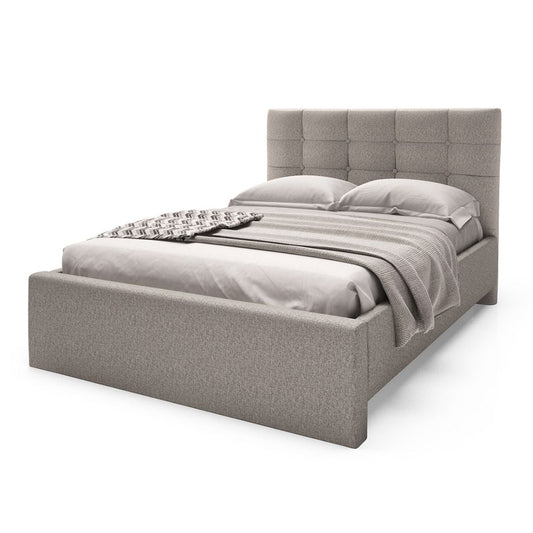
Upholstered frames wrap a wood or metal frame in padding and fabric (or leather). The result is soft edges, acoustic dampening, and a luxurious bedroom feel.
Queen upholstered frames typically cost $600-$2,000 depending on the fabric quality and underlying frame construction. Premium leathers and designer fabrics push prices higher.
The headboard is the main upholstered element, though some frames upholster the side rails and footboard too. This creates a cohesive, soft look throughout.
Upholstered frame considerations:
- Fabric choice affects durability, performance fabrics resist staining better
- Light colors show dirt and require more maintenance
- Some people find upholstered headboards trap dust and allergens
- Cats and upholstered headboards don't always mix well
- Cannot be refinished if damaged (unlike wood)
Combination Frames: Best of Both Worlds
Many modern queen frames combine materials strategically. You might see:
Wood frame with upholstered headboard: Solid wood construction with a padded fabric headboard attached. This gives you the durability of wood with the comfort of upholstery where it matters.
Metal frame with wood accents: Steel construction with wood headboards, footboards, or side rails. Industrial aesthetic with warmth from the wood elements.
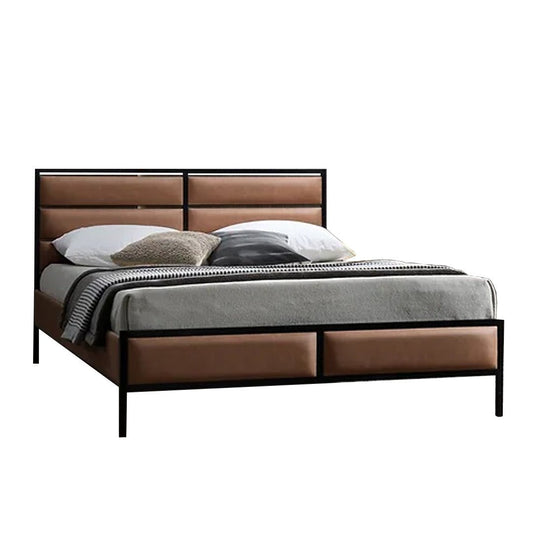
Metal frame with upholstered headboard: Heavy-duty metal platform with attached upholstered headboard. Popular combination offering stability and comfort.
Material Selection Exercise
When choosing your queen frame material, answer these questions:
- How long do you plan to keep this bed? Under 5 years: metal or softwood is fine. 10+ years: invest in hardwood.
- What's your total weight requirement? Combined mattress + sleepers over 600 lbs? Choose hardwood or heavy-duty metal.
- Do you move frequently? Metal frames are easier to disassemble and transport.
- What's your bedroom humidity like? Very humid spaces favor metal; very dry spaces can stress wood joints.
- Do you read or watch TV in bed? Upholstered headboards are more comfortable for extended sitting.
Queen Bed Frame vs Foundation vs Box Spring
This is where a lot of confusion happens. Let's clarify what each component does and whether you actually need them.
The Queen Bed Frame
The bed frame is the furniture piece that surrounds and supports your sleep setup. It includes the headboard, footboard (usually), side rails, and a support system for the mattress.
In a platform bed, the frame includes the support system (slats or solid surface). In a panel bed, the frame is designed to hold a separate foundation.
The Foundation (Often Called "Box Spring")
Modern "box springs" are actually foundations, rigid boxes upholstered to look like traditional box springs. They contain no actual springs. Their purpose is to raise your mattress to standard bed height and provide a flat surface.
Foundations typically add 7-9 inches of height and cost $200-$500 for queen sizes.
Do You Need a Foundation?
For most modern mattresses on platform beds, the answer is no. Platform beds provide the flat, solid surface your mattress needs.
However, you might want a foundation if:
- You have a panel bed designed for one
- You prefer a higher bed height
- Your mattress warranty specifically requires it
- You have an older innerspring mattress designed for box spring support
| Setup Type | Components | Total Height | Total Cost |
|---|---|---|---|
| Platform Bed | Frame + Mattress only | 20-26 inches | $600-$2,000 |
| Panel Bed with Foundation | Frame + Foundation + Mattress | 25-30 inches | $700-$2,500 |
| Platform with Adjustable Base | Frame + Adjustable Base + Mattress | 24-28 inches | $1,500-$4,000 |
↔ Scroll to see full table
Weight Capacity by Material and Construction
Weight capacity is critical for queen beds, which typically support two adults plus a substantial mattress. Here's what different frame types can handle.
Understanding Total Weight
When calculating weight capacity, remember to include:
- Mattress weight: Queen memory foam mattresses weigh 80-120 lbs; latex can be 100-150 lbs; hybrids 90-130 lbs
- Sleeper weight: Both occupants
- Dynamic load: Movement, sitting on the edge, kids jumping (we've all seen it)
- Safety margin: Frame should handle 20% more than typical load
A typical couple with a heavy hybrid mattress might have 350-450 pounds before anyone gets in bed. Add two adults and you're at 650-850 pounds. This is why we recommend frames rated for at least 1,000 pounds total weight for queen sizes.
Weight Capacity by Frame Type
| Frame Type | Typical Capacity | Notes |
|---|---|---|
| Budget Metal (16-18g) | 400-600 lbs | Plastic joints are weak points |
| Mid-Range Metal (14-16g) | 600-900 lbs | Adequate for most couples |
| Heavy-Duty Metal (12-14g) | 1,000-2,000 lbs | Best for heavier mattresses |
| Softwood (Pine) | 400-600 lbs | May sag over time |
| Hardwood (Oak/Maple) | 600-1,000 lbs | Center support essential |
| Premium Hardwood | 800-1,200 lbs | Thick rails, superior joinery |
↔ Scroll to see full table
The Critical Importance of Center Support
For queen bed frames, center support isn't optional, it's essential. A queen mattress is 60 inches wide. Without center support, the middle of the frame bears enormous stress and will eventually sag or fail.
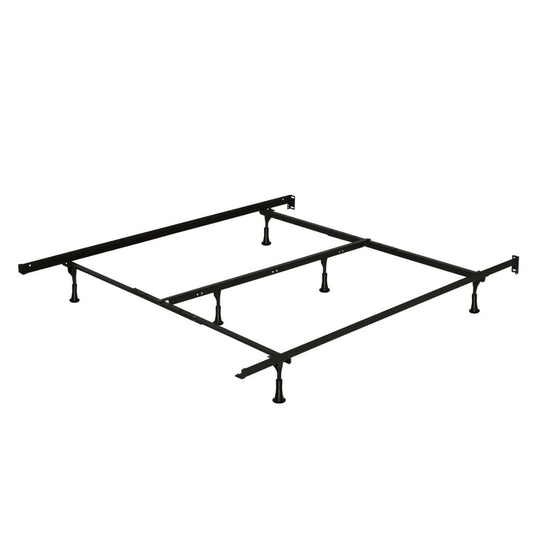
Quality queen frames include a center rail running from headboard to footboard, supported by at least one leg (preferably two) touching the floor. This transfers weight from the center of the mattress directly to the floor rather than stressing the side rails.
We check this on every queen frame we sell. If it doesn't have proper center support, we won't carry it. Period.
Assembly Difficulty Comparison
Unless you're paying for professional assembly, you'll be putting your queen bed frame together yourself. Here's what to expect from different types.
Metal Platform Beds: Easiest Assembly
Basic metal platform beds are the simplest to assemble. Most require 30-60 minutes with minimal tools.
Typical assembly steps:
- Unfold or connect the side rails
- Attach the headboard (if included)
- Install the cross-supports
- Lay the slats across
- Tighten all bolts
Most metal frames include the necessary Allen keys or wrenches. A power drill with appropriate bits speeds things up but isn't required.
Wood Platform Beds: Moderate Assembly
Wood platform beds take longer, typically 60-90 minutes. They're heavier, and the pieces fit together more precisely.
What makes wood assembly different:
- Pieces are heavier (you'll want a helper)
- More bolts and screws to tighten
- Slats need individual placement
- Headboard attachment can be tricky
Wood frames usually include basic tools, but having your own socket set and cordless drill helps considerably.
Storage Beds: Most Complex
Storage beds add complexity. Drawers must be assembled and installed. Lift mechanisms need adjustment. Expect 2-3 hours for assembly.
The drawers are the time-consuming part. Each drawer has four sides, a bottom, and hardware to install. A queen storage bed might have 4 drawers, that's a lot of assembly.
Panel and Sleigh Beds: Moderate to Complex
These traditional styles involve connecting headboard, footboard, and side rails. The larger pieces can be awkward to maneuver, especially in smaller rooms or up narrow stairs.
Sleigh beds are particularly challenging due to their weight. The curved headboard and footboard pieces are solid and substantial. You'll definitely need help and should allow 90-120 minutes.
Pro Assembly Tip from Our Delivery Team
Don't fully tighten any bolts until the entire frame is assembled and squared. Tightening as you go can pull the frame out of alignment, making it impossible to attach remaining pieces. Snug everything finger-tight first, get everything attached, then tighten fully with tools.
Headboard and Footboard Options
The headboard and footboard define your bed's visual presence in the room. Here's how to choose.
Headboard Styles and Considerations
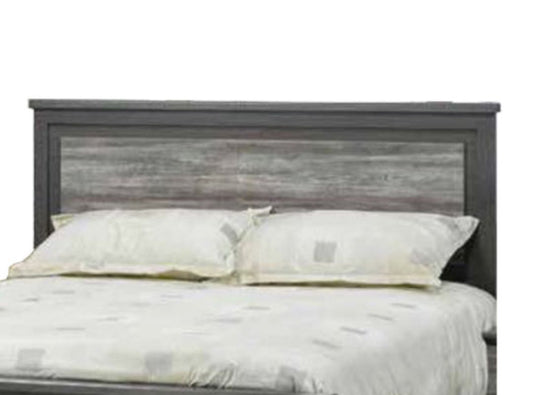
Panel headboards: Flat or slightly curved wood panels. Clean, versatile, works in most décors. Easy to clean and maintain.
Sleigh headboards: Dramatic curved profiles. Traditional and substantial. Require more wall space and taller ceilings.
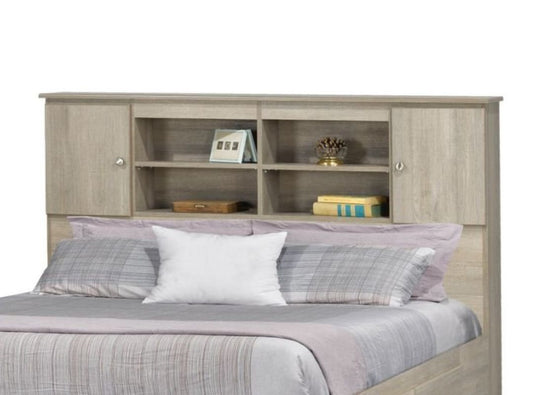
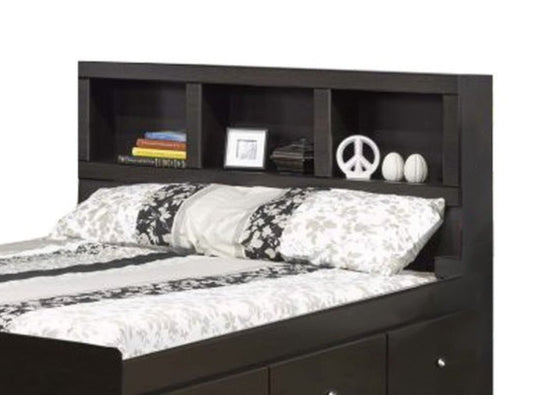
Bookcase headboards: Built-in shelving for books, alarm clocks, phones. Practical for smaller bedrooms without nightstands. Dusting required.
Upholstered headboards: Padded comfort for reading and TV watching. Softer aesthetic. Consider fabric durability and cleaning.
Metal scrollwork: Traditional or farmhouse aesthetic. Lightweight compared to wood. Can feel cold against skin.
Footboard: Yes or No?
Footboards complete the furniture look but have practical considerations:
Footboard pros: Finished appearance, keeps bedding in place, provides structure for canopy frames
Footboard cons: Makes bed making more difficult, can feel confining for tall sleepers, restricts bed length
For queen beds, we typically recommend headboards only unless you specifically want the enclosed feeling of a footboard. The extra 4-8 inches a footboard adds can make the difference between comfortable sleep and cramped feet for anyone over 6 feet tall.
Headboard Height Guidelines
Headboard height affects bedroom proportions:
- Low profile (36-42 inches): Modern, minimalist, works with 8-foot ceilings
- Standard (48-54 inches): Balanced, works in most rooms
- Tall (60+ inches): Dramatic, requires higher ceilings and larger rooms
In Brantford's older homes with 8-foot ceilings, stick to low or standard profile headboards. Tall headboards can make the room feel cramped.
Under-Bed Clearance and Storage
The space under your queen bed is valuable real estate. Here's how different frame types handle it.
Platform Bed Clearance
Standard platform beds offer 6-12 inches of under-bed clearance. This is enough for low storage bins, shoes, or seasonal items in vacuum bags.
Some platform beds are designed specifically with higher clearance (12-16 inches) to accommodate standard storage totes. These are ideal if you want flexible storage you can access easily.
Panel Bed Clearance
Panel beds with foundations have less usable space. The foundation sits 7-9 inches off the floor, leaving minimal practical storage space.
If you need under-bed storage with a panel bed setup, look for bed risers that lift the entire frame 3-6 inches. These are inexpensive ($20-$40) and create useful storage space.
Storage Bed Drawers vs Open Space
Drawers: Enclosed, dust-free storage. Best for clothing, linens, and items you want protected. Less total volume than open space but more organized.
Open clearance: Flexible storage for bins of any size. Easier to access large items. Dust can accumulate, requiring periodic cleaning.
Storage Volume Comparison (Queen Size)
- 4-drawer storage bed: ~8-12 cubic feet of enclosed storage
- Lift-up ottoman storage: ~15-20 cubic feet of cavity storage
- 12-inch clearance platform: ~20-25 cubic feet potential with bins
- Standard panel bed: ~0-5 cubic feet of awkward, low space
Noise and Squeak Prevention
Nothing ruins sleep like a squeaky bed. Here's how to keep your queen frame quiet.
Why Beds Squeak
Bed noise comes from friction between moving parts:
- Metal bolts rubbing against metal frames
- Wood joints rubbing together
- Slats shifting in their brackets
- Headboard moving against the wall
- Foundation sliding on the frame
Preventing Squeaks in Metal Frames
During assembly:
- Use thread-locking fluid on bolts to prevent loosening
- Add rubber washers between metal-to-metal contact points
- Wrap contact points with electrical tape before assembly
- Ensure all connections are tight but not over-tightened
Maintenance:
- Check and tighten bolts every 3-6 months
- Apply silicone spray to joints if squeaks develop
- Place felt pads between headboard and wall
Preventing Squeaks in Wood Frames
During assembly:
- Use beeswax or candle wax on wooden joints before assembly
- Don't overtighten, wood needs slight room to expand and contract
- Add felt pads between slats and frame contact points
- Use nylon washers at metal-to-wood connections
Maintenance:
- Check bolts quarterly, wood movement naturally loosens them
- Apply furniture wax to joints annually
- Tighten slats if they develop play in their brackets
The "Quarterly Check" Routine
Set a phone reminder to check your bed frame every three months. It takes 5 minutes:
- Tighten all visible bolts and screws
- Check that slats are secure and not cracked
- Ensure center support legs still touch the floor
- Listen for squeaks while gently rocking the bed
This simple routine prevents 90% of bed noise issues before they start.
Queen Bed Frame Price Ranges ($150-$2,000+)
Queen bed frames span a wide price spectrum. Here's what you get at each level in the Canadian market.
Budget Range: $150-$400
This gets you basic metal frames or very simple wood platforms. Functional but not built for the long term.
What to expect:
- Metal frames with 16-18 gauge steel
- Plastic joints at connection points
- Limited or no warranty
- Imported construction
- Basic pine wood if wood construction
Best for: Guest rooms, temporary situations, tight budgets where any bed is better than the floor.
Entry-Level Quality: $400-$800
This is where quality starts. You get better materials and construction that should last 5-10 years.
What to expect:
- 14-16 gauge metal with fewer plastic parts
- Solid wood or quality veneer construction
- 1-3 year warranties
- Proper center support
- Better slat systems
Best for: First apartments, budget-conscious buyers who still want reasonable quality.
Mid-Range: $800-$1,500
This is the sweet spot for most buyers. Quality construction, good materials, features like storage or upholstery.
What to expect:
- Solid hardwood construction (oak, maple)
- Heavy-gauge metal (14g or better)
- Storage options available
- Upholstered headboard options
- 3-5 year warranties
- Canadian-made options available
Best for: Most households, primary bedrooms, anyone wanting quality without luxury pricing.
Premium Range: $1,500-$2,500
Premium frames offer superior materials, craftsmanship, and longevity.
What to expect:
- Premium hardwoods (walnut, cherry)
- Hand-finished details
- High-quality storage mechanisms
- Luxury upholstery options (leather, designer fabrics)
- 5-10 year warranties
- Canadian-made
Best for: Long-term investments, master bedrooms, buyers who value craftsmanship.
Luxury Range: $2,500+
Designer pieces, custom options, and heirloom-quality construction.
What to expect:
- Custom sizing and configurations
- Exotic or reclaimed woods
- Artisan craftsmanship
- Bespoke upholstery
- Lifetime warranties
The True Cost of a Bed Frame
Consider cost-per-year rather than upfront price:
$300 budget frame lasting 5 years: $60 per year
$1,200 quality frame lasting 20 years: $60 per year
The quality frame costs the same over time, looks better throughout its life, and doesn't end up in a landfill. When you can afford the upfront investment, quality pays for itself.
Canadian Shipping and Assembly Services
Buying a queen bed frame involves logistics. Here's what to know about getting it home and set up.
Shipping Considerations
Queen bed frames ship in 2-4 boxes totaling 80-150 pounds. The headboard box is often the largest and heaviest.
Local purchase advantages:
- See the actual product before buying
- Delivery by people who know the area
- Setup in your bedroom, not just curbside
- Local support if issues arise
- No shipping damage risk
Online purchase considerations:
- Curbside delivery, you carry it inside
- Assembly required
- Return shipping is expensive if there's a problem
- Can't inspect before committing
Professional Assembly Options
If DIY assembly doesn't appeal to you, several options exist in the Brantford area:
Retailer assembly: Many local stores, including Mattress Miracle, offer assembly for $75-$150 depending on frame complexity. The frame gets built correctly, and you don't lift a finger.
Task services: Platforms like TaskRabbit connect you with local handymen for furniture assembly. Expect $50-$100 for a queen bed frame.
Local handymen: Brantford has skilled handymen who advertise furniture assembly services. Rates vary but are typically reasonable.
Seasonal Considerations for Ontario
Winter delivery: Snow and ice can complicate delivery. Ensure clear paths and someone home to receive the shipment.
Humidity effects: Wood frames expand slightly in humid summers and contract in dry winters. This is normal and shouldn't cause issues with quality frames.
Moving season: April through September is peak season. Book deliveries 2-3 weeks ahead during these months.
Delivery Day Checklist
Before your queen bed frame arrives:
- Measure doorways, hallways, and staircases, headboards are large
- Clear a path from entry to bedroom
- Remove old bed setup if replacing
- Have help available if doing assembly yourself
- Clear floor space in bedroom for assembly
- Check that all boxes arrived and aren't damaged
Frequently Asked Questions About Queen Bed Frames
Find Your Perfect Mattress at Mattress Miracle
We are a family-owned mattress store in Brantford, helping our community sleep better since 1997. Come try mattresses in person and get honest, no-pressure advice.
441 1/2 West Street, Brantford, Ontario
Call 519-770-0001What size mattress fits a queen bed frame?
A standard queen bed frame fits a mattress measuring 60 inches wide by 80 inches long (152 cm × 203 cm). This is the most common mattress size in Canada and fits two adults comfortably. Make sure your frame specifies "queen" size, double/full frames are narrower (54 inches) and won't properly support a queen mattress. Some frames are adjustable and can accommodate both sizes, but dedicated queen frames provide the best fit and support.
How long should a quality queen bed frame last?
A quality queen bed frame should last 10-20 years depending on materials and construction. Heavy-duty metal frames (12-14 gauge steel) and solid hardwood frames (oak, maple) typically last 15-20+ years with proper care. Budget metal frames (16-18 gauge) and softwood frames (pine) may only last 5-7 years under regular use. The key factors affecting longevity are material quality, weight capacity relative to use, and regular maintenance like tightening bolts and checking support legs.
Do I need a box spring with a queen platform bed?
No, queen platform beds are designed to support your mattress directly without a box spring. The built-in slat system or solid platform surface provides the flat, firm support modern mattresses need. Using a box spring with a platform bed actually raises the bed too high (often 30+ inches) and is unnecessary. The platform design eliminates the $200-$500 box spring cost, which is part of their appeal. Just ensure the slats are spaced under 3 inches apart to meet mattress warranty requirements.
Why does my queen bed frame squeak and how do I fix it?
Bed squeaks come from friction between moving parts, metal bolts rubbing on frames, wood joints shifting, or slats moving in brackets. To fix squeaks: First tighten all bolts and screws, as looseness causes movement. For metal frames, apply silicone spray or wax to joints. For wood frames, rub beeswax or candle wax on wooden contact points. Add felt pads between the headboard and wall, and between slats and frame rails. Check that center support legs still firmly touch the floor, if they've shifted, the frame flexes and squeaks. Regular quarterly maintenance prevents most squeaks.
What's the weight limit for most queen bed frames?
Most queen bed frames support 500-1,000 pounds total weight including mattress and sleepers. Budget metal frames typically rate 400-600 lbs. Mid-range metal and wood frames handle 600-1,000 lbs. Heavy-duty metal frames and premium hardwood frames support 1,000-2,000+ lbs. When calculating, include mattress weight (80-150 lbs), both sleepers, and a safety margin. For couples with a heavy mattress, we recommend frames rated for at least 1,000 lbs. Always verify the center support system, queen frames absolutely need center support legs regardless of the side rail rating.
Visit Mattress Miracle in Brantford
Financing available – Ask about our flexible payment options to make your queen bed frame purchase fit your budget.
Local delivery and assembly available throughout Brantford, Paris, St. George, Simcoe, and surrounding areas. We'll bring your frame to your home, carry it to your bedroom, and assemble it properly, no heavy lifting or confusing instructions for you to worry about.
Sleep Better on a Solid Foundation
The right queen bed frame supports more than just your mattress, it supports your sleep quality, your bedroom's style, and your peace of mind. Whether you choose metal or wood, platform or panel, investing in quality means investing in years of restful nights. Come visit us on West Street, and let's find the perfect frame for your queen mattress.
Sources
- Radwan A, Fess P, James D, et al. Effect of different mattress designs on promoting sleep quality, pain reduction, and spinal alignment in adults with or without back pain. Sleep Health. 2015;1(4):257-267. DOI: 10.1016/j.sleh.2015.08.001
- Chen Z, Li Y, Liu R. Ergonomic design and evaluation of bedroom furniture systems for improved sleep quality. Appl Ergon. 2020;82:102969. DOI: 10.1016/j.apergo.2019.102969
- Okamoto-Mizuno K, Mizuno K. Effects of thermal environment on sleep and circadian rhythm. J Physiol Anthropol. 2012;31(1):14. DOI: 10.1186/1880-6805-31-14
- Cary D, Briffa K, McKenna L. Identifying relationships between sleep posture and non-specific spinal symptoms in adults: A scoping review. BMJ Open. 2019;9(6):e027633. DOI: 10.1136/bmjopen-2018-027633
Visit Our Brantford Showroom
We are located at 441½ West Street in downtown Brantford. Free parking available, wheelchair accessible. Our team does not work on commission, so you get honest advice based on your needs.
Mattress Miracle , 441½ West Street, Brantford, ON · (519) 770-0001
Hours: Monday–Wednesday 10am–6pm, Thursday–Friday 10am–7pm, Saturday 10am–5pm, Sunday 12pm–4pm.