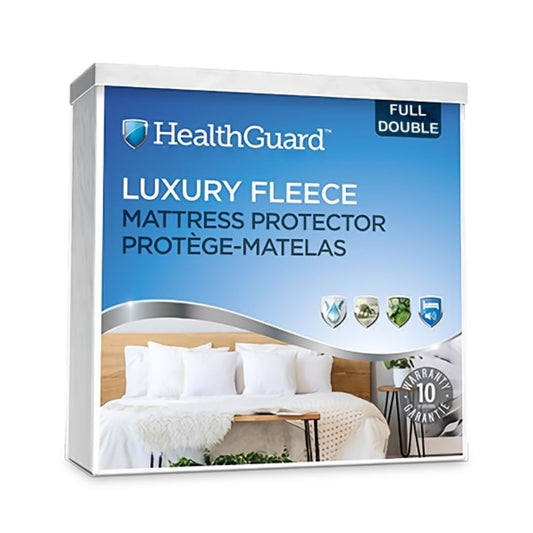
Queen size mattress protector Canada buyer guide encased fitted waterproof options

Queen Size Mattress Protector Canada: What to Buy and Why

Quick Answer: The best queen size mattress protector in Canada is a fitted waterproof protector with a breathable cotton terry or Tencel surface -- not the cheap crinkly plastic version. Waterproof protection is non-negotiable for warranty compliance. A queen standard mattress is 60 x 80 inches; most protectors add an 8-18 inch deep pocket to fit different mattress heights. Expect to pay $40-120 for a quality waterproof queen protector.

Reading Time: 4 minutes

A queen mattress protector is one of those purchases that feels minor until the moment you need it. Water damage, sweat, skin cell accumulation, dust mites -- a good protector prevents all of these from reaching the mattress beneath. A bad protector either fails to block moisture effectively or makes the bed hot and uncomfortable enough that the sleeper simply removes it.

At Mattress Miracle in Brantford, we have seen more warranty claims than we would like for mattresses that were never protected. Most mattress manufacturers in Canada and the US require a protector to be in use as a condition of the warranty. If you are sleeping on a $1,000+ mattress without one, you have voided your protection for the most common damage category -- liquid penetration.

Why a Mattress Protector Matters

A queen mattress is a substantial investment -- typically $700-1,500 in Canada. The reasons to protect it are straightforward:

Warranty compliance: Most reputable mattress manufacturers in Canada, including Restonic, require the customer to use a mattress protector as a condition of the warranty. Staining, liquid damage, or biological contamination voids the warranty in nearly every case. A protector creates a documented barrier between the sleeper and the mattress.

Allergen and dust mite control: Research published in the Journal of Allergy and Clinical Immunology (Woodcock et al., 2003, PMID: 12897742) found that allergen-impermeable mattress covers significantly reduce house dust mite allergen levels -- a relevant consideration for the roughly 20% of Canadians who have some form of allergic rhinitis according to Health Canada data. A protector creates a washable barrier that, unlike the mattress itself, can be laundered weekly.

Sweat and moisture: The average person loses approximately 200-500mL of moisture per night through perspiration. Over months and years, this moisture penetrates an unprotected mattress, creating conditions that promote mould growth and accelerate the breakdown of foam and fibre materials. A protector absorbs and releases this moisture before it reaches the mattress core.

Dorothy, Sleep Specialist: "The question we hear most is whether protectors make the bed hot. That is the old plastic mattress protector reputation -- from the ones that crinkled every time you moved. Quality modern protectors with a Tencel or cotton terry surface breathe reasonably well. The heat issue is real with cheap polyurethane film protectors, but not with the breathable options. Spending $60-80 on a good one versus $20 on a crinkly one is worth it for a bed you use every night."

8 min read

Types of Queen Mattress Protectors

Queen mattress protector types compared encasement fitted quilted strap anchor Canada

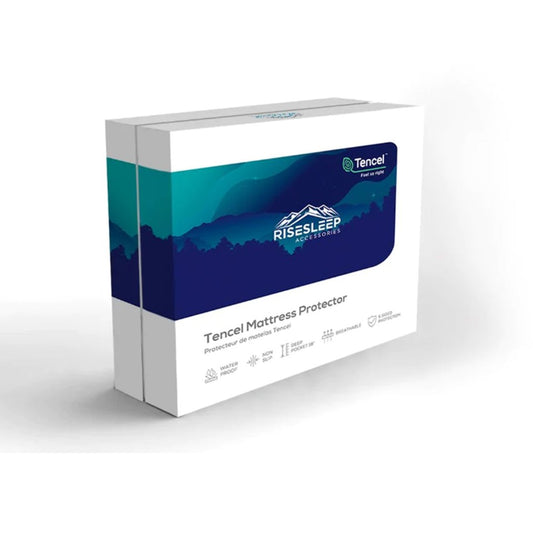
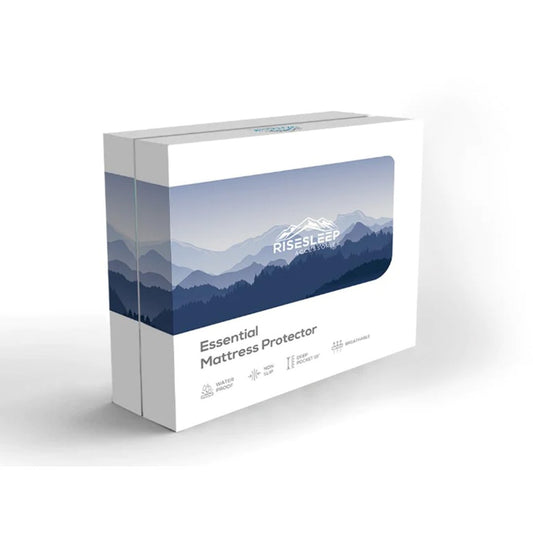
Fitted protectors: The most common type. A fitted protector sits over the top and sides of the mattress and is held in place by an elasticised skirt around the bottom, similar to a fitted sheet. Easy to put on and remove, fits most standard queen mattresses (10-14 inch depth). The majority of mattress protectors sold in Canada are fitted style.

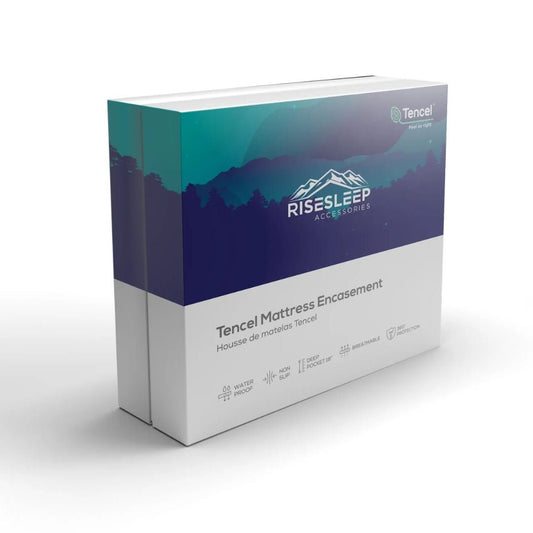
Encasements: An encasement covers all six sides of the mattress, including the bottom, and zips closed. Encasements provide more complete protection and are particularly recommended for severe allergy sufferers, those with bed bug concerns, or in healthcare or rental property situations. The downside is that they are harder to remove for washing and can feel cumbersome. A queen encasement adds slightly more bulk than a fitted protector.

Mattress toppers with protection built in: Some premium protectors are also light toppers -- they add a small amount of padding while providing waterproof protection. These are useful when you want to slightly soften the feel of a mattress without replacing it. They are thicker and heavier than a standard protector and may raise the sleeping surface by 1-2 inches.

Waterproof vs Water-Resistant

There is an important distinction between "waterproof" and "water-resistant" protectors. A water-resistant protector will repel light moisture -- a splash, minor perspiration -- but is not designed to stop a full liquid spill from penetrating to the mattress below. A waterproof protector has a continuous polyurethane or thermoplastic polyurethane (TPU) membrane that creates a complete liquid barrier. For mattress warranty compliance, only a waterproof protector qualifies as adequate protection in most manufacturers' warranty language.

What to Look for in a Queen Mattress Protector

What to look for in a queen mattress protector waterproof membrane pocket depth washability
Feature Why It Matters What to Check
Waterproof backing Protects mattress and complies with warranty requirements Look for TPU or polyurethane membrane; avoid "water-resistant" if full protection needed
Surface material Affects breathability and comfort against skin Cotton terry and Tencel/lyocell surfaces breathe better than polyester; avoid loud crinkle surfaces
Pocket depth / skirt depth Protectors that fit too shallow will pop off during sleep Measure your mattress depth and add at least 2 inches; most modern mattresses are 10-14" deep
Machine wash and dry A protector you cannot easily wash defeats the purpose Look for 60°C wash compatibility; hot wash kills dust mites (Alliance Quebec, 2021)
Allergen rating Relevant for allergy and asthma sufferers Look for hypoallergenic labelling; encasements provide more complete allergen barrier than fitted
Noise level A crinkling protector disrupts sleep every time the sleeper moves Cotton or bamboo-blend surfaces are quietest; pure polyurethane film is loudest

Queen Mattress Protector Sizing

A standard queen mattress in Canada measures 60 x 80 inches. When buying a queen size mattress protector, the dimensions on the package should match. The critical measurement that most buyers overlook is the pocket depth -- how deep the elasticised skirt around the protector extends.

Most budget protectors have an 8-10 inch pocket depth. This works for older, thinner mattresses but will pop off a modern 12-14 inch foam or hybrid mattress within a few nights. Look for a pocket depth of at least 14-16 inches if your mattress is taller than 12 inches. Some deep-pocket protectors go up to 18-22 inches, which handles even the thickest pillow-top hybrids.

The Restonic ComfortCare Queen -- our most recommended mattress at Mattress Miracle -- is a standard depth that works with most quality queen protectors. The Revive St Charles and Elizabeth at 15 inches deep requires a deep-pocket protector. If you are buying a protector for a mattress purchased elsewhere, measure the mattress before purchasing.

Common Mistakes When Buying a Queen Mattress Protector

Buying based on price alone: A $15 queen protector from a discount store is almost certainly the crinkly, hot, loud polyurethane film type. It will protect the mattress from liquids but make the bed uncomfortable enough that most people remove it and use the bed unprotected. Spend $50-80 on a breathable cotton or Tencel surface protector and you will actually keep it on the bed.

Ignoring pocket depth: The most common fit complaint with mattress protectors. A protector that pops off the corner of the mattress at 3 a.m. is both frustrating and useless. Measure the mattress depth before buying.

Getting the wrong type for the need: Fitted protectors are easier to use and sufficient for most households. Encasements are worth the extra effort only if there is a genuine allergen, bed bug, or moisture-prevention need. Do not pay for an encasement if a fitted protector addresses your situation.

Not washing it before use: New protectors can have a chemical smell from the manufacturing process. Wash before using for the first time.

Visit Our Brantford Showroom

We are located at 441½ West Street in downtown Brantford. Free parking available. Our team does not work on commission, so you get honest advice based on your needs.

Mattress Miracle -- 441½ West Street, Brantford, ON -- (519) 770-0001

Hours: Monday–Wednesday 10am–6pm, Thursday–Friday 10am–7pm, Saturday 10am–5pm, Sunday 12pm–4pm.

If you have questions about which protector works with a specific mattress you purchased from us, or want to know which option is right for allergies or children's beds, Dorothy or Brad can help you figure it out quickly. Mattress protectors are the one accessory that pays for itself.

Shop This Topic at Mattress Miracle

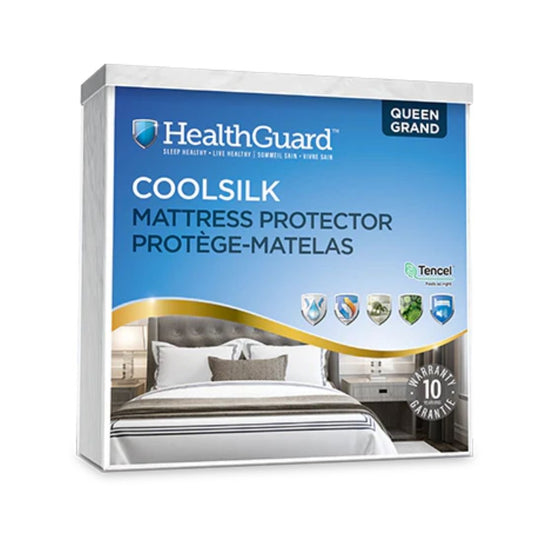
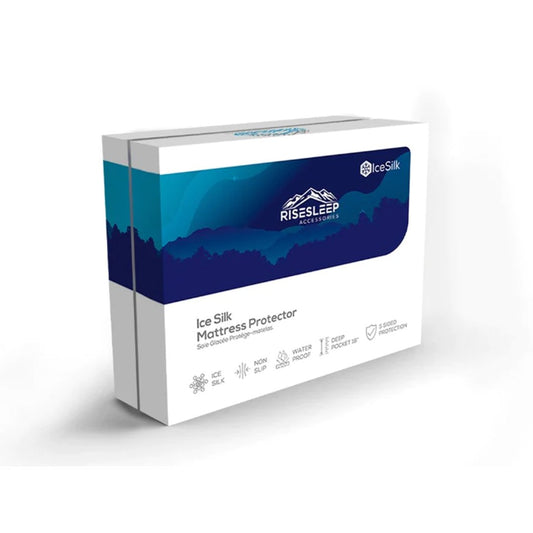
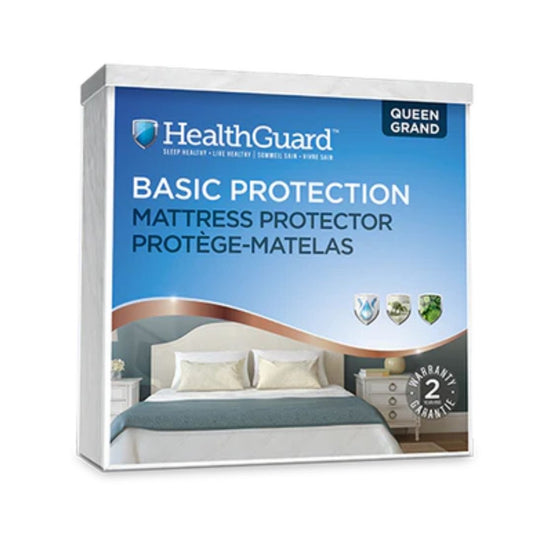
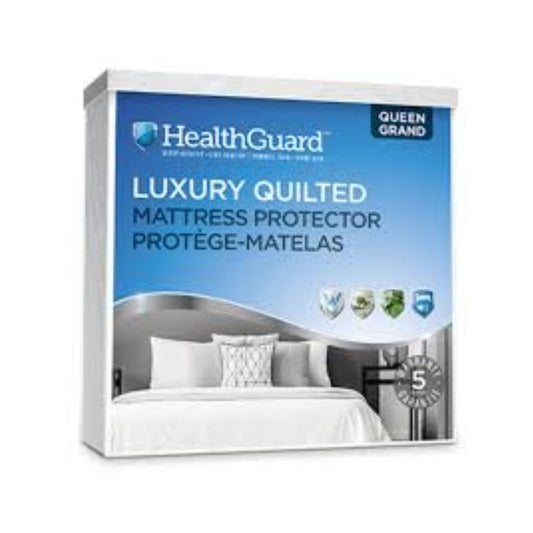
Mattress protectors at Mattress Miracle:

Or mattress protectors in our Brantford showroom.

Related Reading

A queen mattress protector should fit snugly without bunching. Mattress Miracle at 441½ West Street in Brantford carries protectors sized specifically for queen mattresses in depths from 10 to 16 inches. A protector that shifts or bunches creates discomfort and defeats the purpose. Talia matches the protector depth to your specific mattress height so it stays smooth all night. Call (519) 770-0001.

Find Your Perfect Mattress at Mattress Miracle

We are a family-owned mattress store in Brantford, helping our community sleep better since 1997. Come try mattresses in person and get honest, no-pressure advice.

441 1/2 West Street, Brantford, Ontario

Call 519-770-0001

Frequently Asked Questions

What size is a queen mattress protector?

A queen size mattress protector fits a 60 x 80 inch mattress -- standard Canadian queen dimensions. The protector dimensions on the packaging should match your mattress size. More important than the surface dimensions is the pocket depth: look for at least 14 inches deep if your mattress is 12 inches tall or more. Modern hybrid and foam mattresses are commonly 12-15 inches, so budget protectors with 8-inch pockets will not stay on the bed.

Do I really need a waterproof mattress protector?

Yes, for two reasons. First, most mattress warranties in Canada require a protector as a condition of coverage -- liquid damage without a protector is excluded from warranty claims. Second, even if you never spill anything in bed, the average person perspires 200-500mL per night, and over time this moisture reaches the mattress and degrades the materials. A waterproof surface layer prevents both.

Will a mattress protector make my bed hot?

A cheap polyurethane film protector will, yes. A quality cotton terry or Tencel surface protector with a breathable TPU membrane should not noticeably increase sleeping temperature. The key is the surface material: cotton and lyocell-based surfaces wick moisture and allow air movement; polyester-dominant surfaces trap heat. If you sleep warm, specifically look for Tencel or bamboo-blend protectors rather than pure polyester.

How often should I wash a queen mattress protector?

Every 1-2 months for most households; more frequently for anyone with allergies, night sweats, or children sharing the bed. The Canadian Allergy, Asthma and Immunology Foundation recommends washing bedding at 60°C (140°F) or higher to kill dust mites effectively. Check the protector label, as some TPU-membrane protectors have temperature restrictions for the waterproof layer.

What is a zippered queen mattress protector, and when do I need one over a fitted protector?

A zippered queen mattress protector (also called a 6-sided encasement) wraps the entire 60-by-80-inch queen mattress in fabric and zips closed along one edge, sealing the mattress on all six sides. A fitted protector - like a fitted sheet with a waterproof membrane - covers only the top and four sides, leaving the bottom open. The zippered version is the right choice for three specific situations: confirmed dust mite allergy, post-bed-bug treatment (encasements starve out trapped bugs over 12-18 months), and apartment dwellers who can't afford to risk allergens migrating through the bottom of the mattress. Canadian Lung Association guidance and Asthma Canada both reference allergen-barrier encasements as a first-line non-medication intervention for dust mite allergy and asthma. AAFA's asthma & allergy friendly certification verifies pore size (≤6 microns) to block both bed bugs and mite allergens. Look for a YKK or comparable zipper with a fabric flap that prevents the zipper teeth from pinching mattress fill - a poorly built zipper is the failure point that ends an encasement's useful life. Honest framing: zippered protectors are slightly more expensive ($80-150 for queen versus $40-80 for fitted), but the trade-off is meaningful for the right buyer. Talia, on our showroom floor, helps customers identify whether they need an encasement-grade protector or whether a quality fitted protector suffices. Browse the queen mattress protectors collection; for confirmed mite allergy or bed bug protection see our bed bug mattress cover guide.

Sources

  • Woodcock A, et al. (2003). Control of exposure to mite allergen and allergen-impermeable bed covers for adults with asthma. New England Journal of Medicine. PMID: 12826631.
  • Bousquet J, et al. (2020). Allergic Rhinitis and its Impact on Asthma guidelines. Journal of Allergy and Clinical Immunology. PMID: 31248800.
  • Health Canada. (2021). Allergens and indoor air quality in Canadian homes. Public Health Agency of Canada.
  • Kovacs FM, et al. (2003). Effect of firmness of mattress on chronic non-specific low-back pain. The Lancet. PMID: 12643088.
Back to blog