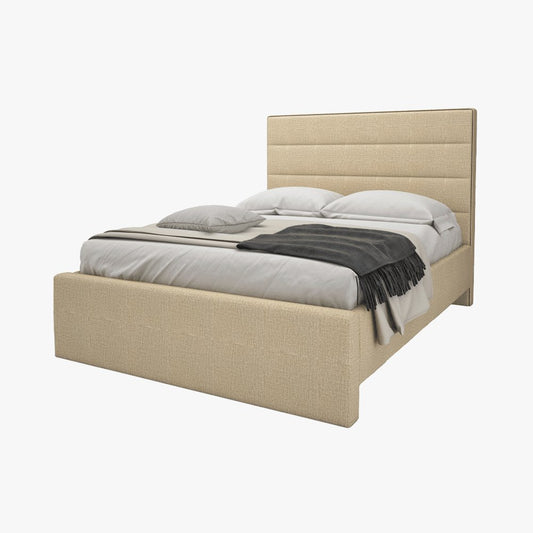
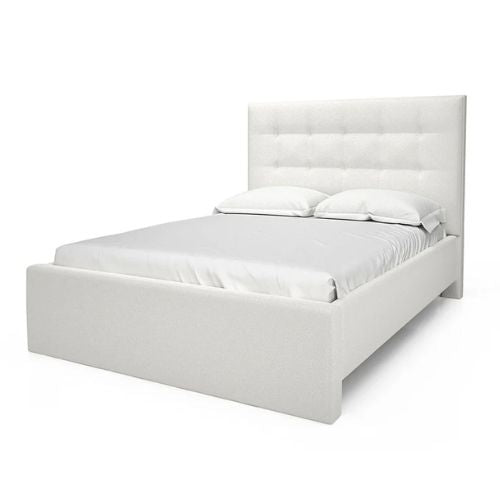
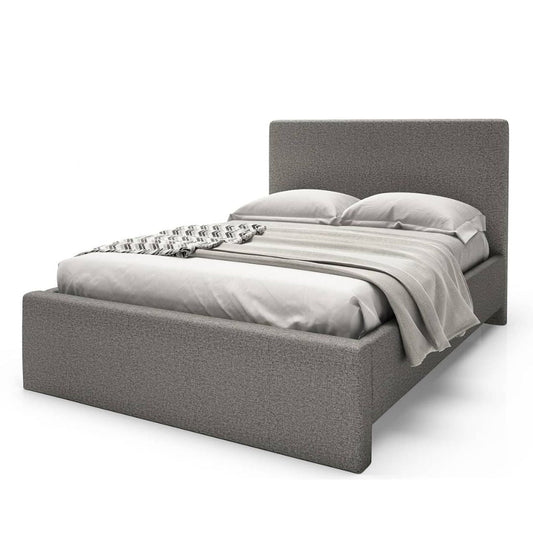
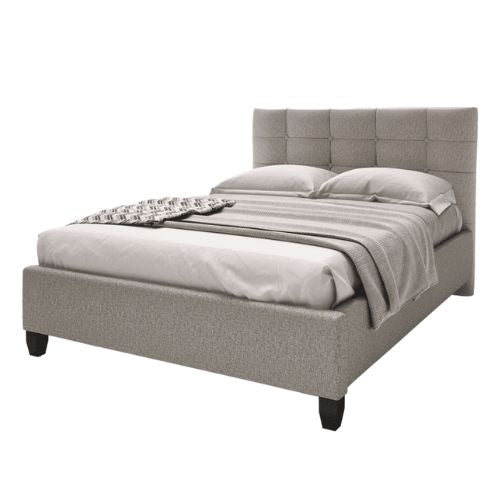
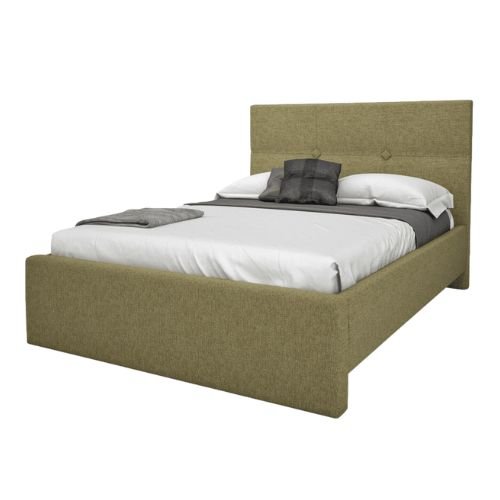
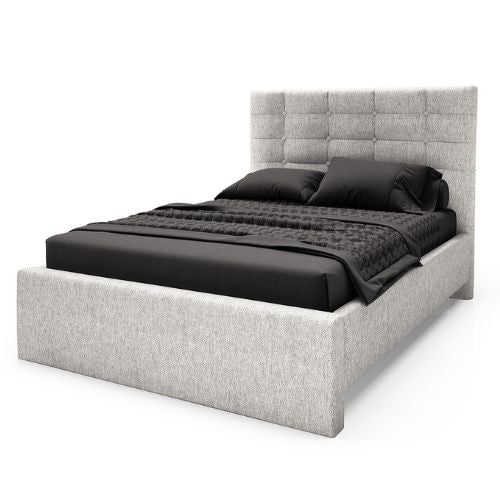
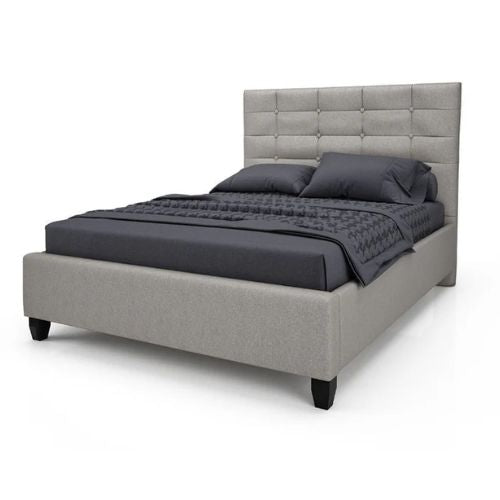
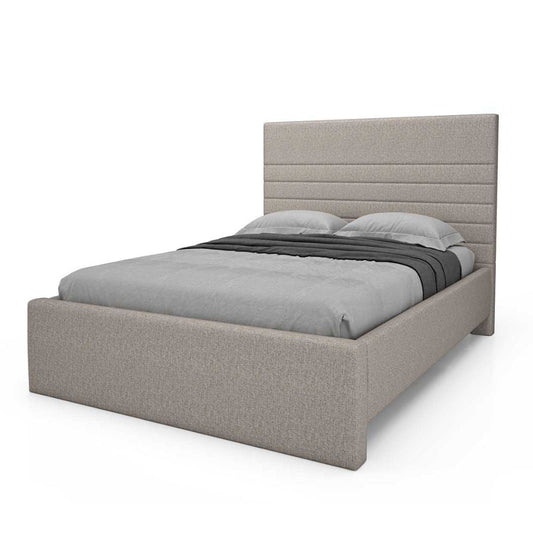
Quick Answer: This guide covers everything Canadians need to know about buying a twin bed wooden frame: dimensions, wood types, slat requirements, weight ratings, and what to look for in a frame that genuinely supports your sleep setup.
Why the Frame Underneath Your Mattress Matters More Than You Think
Most people spend considerable time selecting the right mattress but give very little thought to the frame supporting it. A twin bed wooden frame is not just a place to rest your mattress. It is the foundation that determines how your mattress performs, how long it lasts, and how well you actually sleep. A frame with poor slat spacing will cause even an excellent memory foam mattress to sag prematurely. A frame with weak joints will creak every time you move. Choosing wisely saves you money and sleep quality over the long run.
This guide covers everything Canadians need to know about buying a twin bed wooden frame: dimensions, wood types, slat requirements, weight ratings, and what to look for in a frame that genuinely supports your sleep setup.
Twin Bed Dimensions: What the Frame Needs to Fit
Before buying a frame, it helps to understand the mattress it is designed to hold. A standard twin mattress in Canada measures 38 inches wide by 75 inches long (approximately 97 cm x 190 cm). This is the North American standard and applies to all twin mattresses sold at Canadian retailers.
A wooden frame for a twin mattress will have interior dimensions that closely match those measurements. The outer dimensions of the frame will be slightly larger due to the side rails, headboard posts, and footboard. Typically, expect the frame to add 2 to 4 inches on each side.
| Mattress Type | Width | Length | Notes |
|---|---|---|---|
| Twin | 38 in / 97 cm | 75 in / 190 cm | Standard; fits children and adults in compact spaces |
| Twin XL | 38 in / 97 cm | 80 in / 203 cm | 5 inches longer; common in dorm rooms |
| Double / Full | 54 in / 137 cm | 75 in / 190 cm | Wider than twin; requires a separate frame size |
If you are buying a frame for a child's room that you expect them to use through their teen years, consider a twin XL frame. It uses a slightly longer mattress but keeps the same compact width. Many twin XL frames are designed with this growth scenario in mind.
Types of Wood Used in Twin Bed Frames
The wood species and construction method used in a bed frame have a direct impact on its durability, weight, and price. Here is a breakdown of the most common materials you will encounter at Canadian furniture and mattress retailers.
Solid Hardwood
Maple, oak, ash, and beech are the most common hardwoods used in quality bed frames. These species are dense, resist denting, and hold fasteners well over years of use. Hardwood frames are heavier and cost more, but they are the most durable option for long-term use. A well-built solid oak twin frame can last decades without significant wear.
Solid Pine
Pine is a softwood that is widely used in budget to mid-range bed frames. It is lighter than hardwood and easier to work with, which keeps manufacturing costs lower. The trade-off is that pine dents and scratches more easily and may show wear faster. That said, properly constructed pine frames can perform well for many years, especially in lower-stress applications like a child's room.
Rubberwood
Rubberwood is a plantation-grown hardwood harvested from rubber trees at the end of their latex-producing life. It has become a popular choice in mid-range furniture because it is dense, relatively stable, and considered a sustainable wood source. Rubberwood frames are often used in Shaker-style and contemporary designs and offer a good balance of durability and affordability.
Engineered Wood and MDF
Medium-density fibreboard (MDF) and particleboard are sometimes used for decorative panels in bed frames, especially in lower-price-point products. These materials are not recommended as structural components because they are prone to cracking at screw points under repeated stress. If a frame uses MDF for the side rails or slat supports, treat that as a red flag for long-term durability.
Bamboo
Bamboo is technically a grass but is processed and used similarly to wood in furniture manufacturing. It is extremely hard, dimensionally stable, and grows much faster than traditional timber, making it a popular sustainable choice. Bamboo frames tend to have a clean, contemporary look and perform well under normal use conditions.
| Wood Type | Durability | Price Range | Best For |
|---|---|---|---|
| Solid Oak / Maple | Excellent | $$$ - $$$$ | Long-term use, heirloom quality |
| Solid Pine | Good | $ - $$ | Budget-conscious buyers, children's rooms |
| Rubberwood | Very Good | $$ - $$$ | Mid-range buyers, eco-conscious shoppers |
| Bamboo | Very Good | $$ - $$$ | Sustainability-focused buyers |
| MDF / Particleboard | Poor (structural) | $ | Decorative panels only |
Slat Design: The Most Important Factor Most Buyers Overlook
The slats in a wooden bed frame are the horizontal boards that span the width of the frame and directly support your mattress. Their design matters enormously, especially if you are using a foam or hybrid mattress.
Slat Spacing
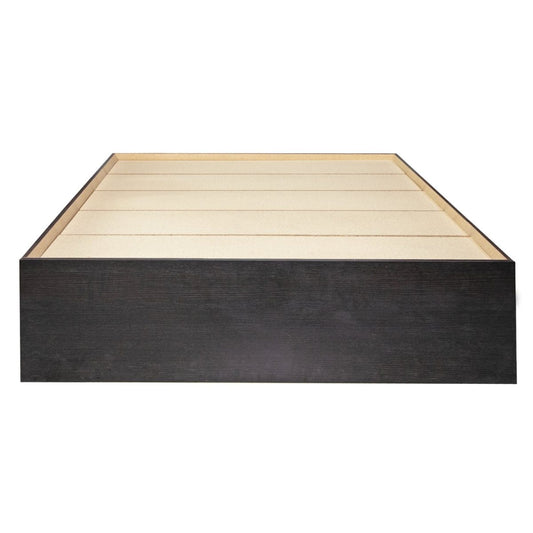
The gap between slats should be no more than 3 inches (7.5 cm) for innerspring mattresses and no more than 2.5 inches (6.3 cm) for memory foam, latex, or hybrid mattresses. Wider gaps allow the mattress to sink between the slats over time, creating permanent indentations and voiding many mattress warranties. When shopping for a bed slats for a twin, this measurement is critical.
Slat Thickness
Thicker slats are stronger. Look for slats that are at least 0.75 inches (about 2 cm) thick for adequate support. Some premium frames use thicker slats or curved (sprung) slats that flex slightly to provide a more cushioned, responsive feel.
Centre Support
Twin-size frames do not always require a centre support leg because the width is narrow enough that properly spaced slats handle the load. However, if you are over 200 lbs or if the frame spans a longer distance, a centre support beam adds significant stability and reduces the risk of slat breakage over time.
Fixed vs. Roll-Out Slats
Some frames ship with slats pre-attached to a fabric roll that unrolls across the frame. These are convenient to set up but can shift over time if the attachment points loosen. Individually placed slats held in place by notches or clips tend to stay put more reliably.
Frame Styles for Twin Wooden Beds
Wooden twin frames come in a range of styles that affect both the look of the room and the practical function of the bed. Here are the most common configurations you will find at Canadian retailers.
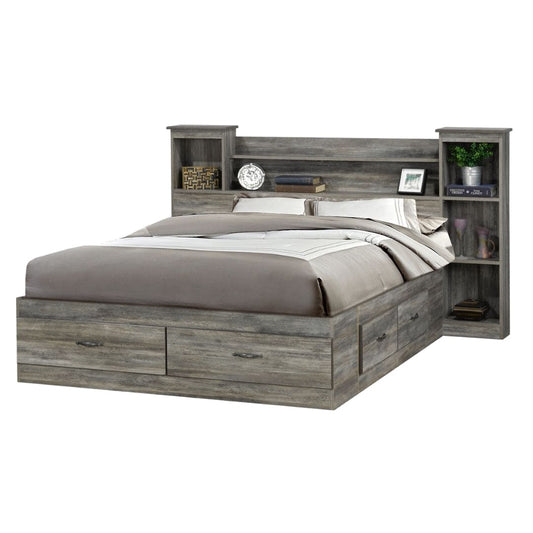
Platform Frames
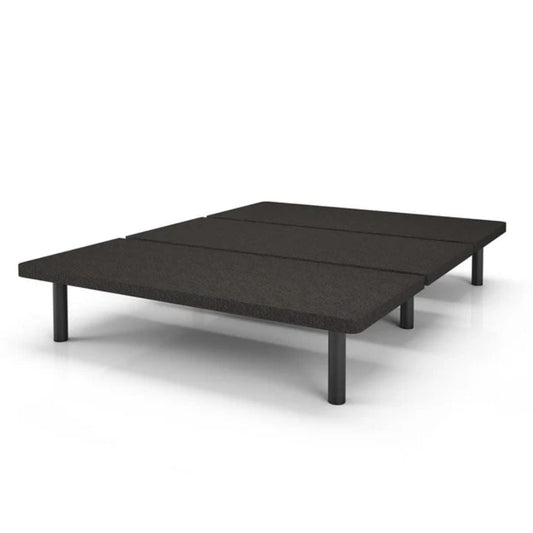
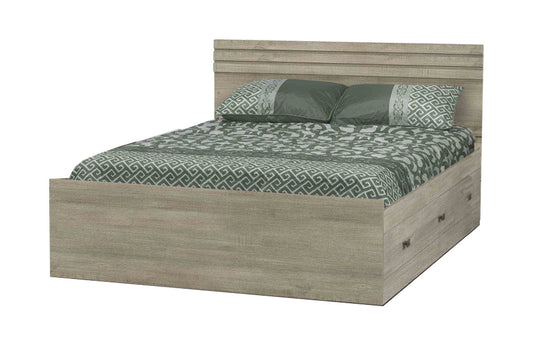
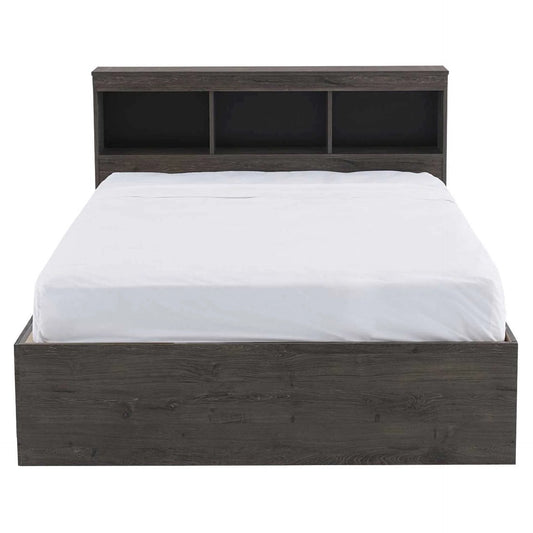
A platform frame has a slatted or solid base that sits low to the floor, typically with no space for storage underneath. These frames are designed for use without a box spring. They are a popular choice for contemporary and minimalist bedroom aesthetics. Platform frames are often an excellent match for memory foam and hybrid mattresses that require even, firm support.
Panel Frames
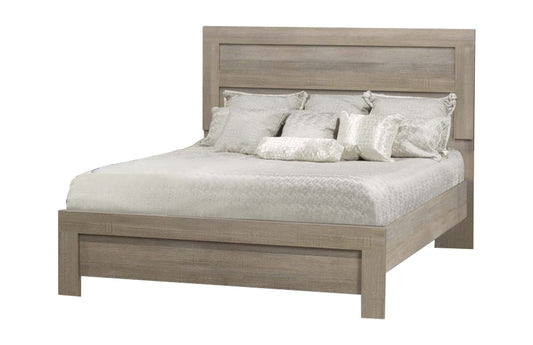
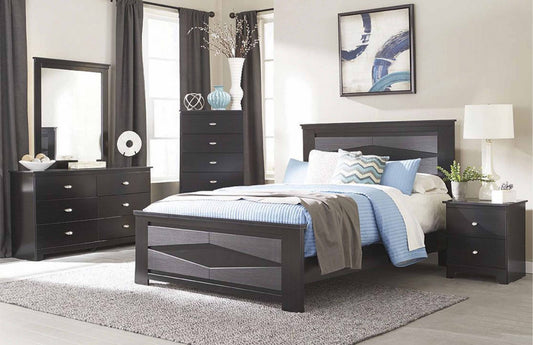
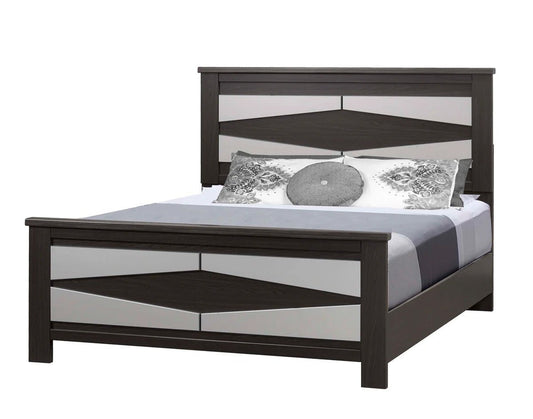
Panel frames feature a headboard and footboard with large flat panels, often made from wood with decorative moulding or carved detail. They typically sit slightly higher off the floor and may accommodate a box spring or bunkie board underneath the mattress.
Sleigh Frames
Sleigh-style frames have curved, scroll-like headboards and footboards inspired by traditional European furniture design. They tend to be heavier and more ornate, making them better suited to traditional or transitional bedroom styles.
Bunk Frames
Wooden bunk frames stack two twin sleeping surfaces vertically. They are purpose-built for shared children's rooms or guest spaces where floor space is at a premium. Safety rails on the upper bunk and a sturdy ladder are essential features. All bunk frames sold in Canada must meet Health Canada's Hazardous Products Act requirements for bunk bed safety.
Daybed Frames
A twin daybed frame sits against a wall and typically features a headboard on one end and side rails on both sides. It functions as a sofa by day and a bed by night, making it an efficient choice for a studio apartment, a multipurpose guest room, or a teenager's room. If you are exploring twin daybeds, our guide on twin daybed dimensions explains exactly what space you need to plan for.
Loft Frames
Loft frames elevate the sleeping surface high enough to allow a desk, shelving unit, or play area to be placed underneath. They are popular for children's rooms and small apartments where maximising floor space matters. A loft frame requires a mattress with a low profile, typically no more than 8 to 10 inches thick, to maintain adequate clearance between the top of the mattress and the ceiling.
Box Spring vs. Platform: Which Do You Need?
One of the most common questions about wooden twin frames is whether a box spring is needed. The short answer: it depends on the frame design.
Platform frames with close-together slats are designed to support the mattress directly. Adding a box spring to a platform frame is unnecessary and can raise the sleeping surface higher than intended.
Older-style panel and sleigh frames with widely spaced rails were originally designed for use with a box spring. Without one, a mattress placed on widely spaced rails would have insufficient support and may sag or void its warranty.
A third option is the twin bunkie board, which is a thin, solid platform (typically 1.5 to 2 inches thick) that replaces a full box spring. It provides a flat, firm surface and is ideal for bunk frames where a full box spring would take up too much vertical space.
| Frame Type | Box Spring Needed? | Bunkie Board Option? |
|---|---|---|
| Platform with slats (close spacing) | No | Not required |
| Panel or sleigh (wide rail spacing) | Yes, or use bunkie board | Yes |
| Bunk frame | No (clearance issue) | Yes, recommended |
| Loft frame | No (clearance issue) | Sometimes |
Weight Capacity: What the Numbers Mean
Every bed frame has a weight rating that accounts for the combined weight of the mattress and the sleeper. Wooden frames for twin beds typically range from 250 lbs to 500 lbs depending on construction quality.
For a child's room, a standard rating of 250 to 300 lbs is usually sufficient. For an adult or a heavier sleeper, look for frames rated at 400 lbs or more, with solid hardwood construction and a centre support beam. Frames marketed as "heavy duty" or "reinforced" often include extra slats, thicker rails, and additional support legs.
Keep in mind that most weight ratings apply to static load. Jumping, sitting on the edge of the frame, or other dynamic forces can exceed a frame's rated capacity momentarily. This is especially relevant in children's rooms where the frame will experience considerably more abuse than in an adult's bedroom.
Assembly and Joinery Quality
Even a frame made from excellent wood will fail quickly if the joinery is poorly designed. Look for these indicators of quality construction.
Mortise and Tenon Joints
This traditional woodworking joint involves a tab (tenon) on one piece fitting into a slot (mortise) on another. When used in headboard-to-rail connections, mortise and tenon joints are extremely strong and resist racking (side-to-side movement) better than bolt-together designs.
Metal Bolt Hardware
Most flat-pack wooden frames use bolt-together hardware. The quality of the metal brackets and the size of the bolts matters. Look for frames that use larger-diameter bolts (M8 or larger) and steel rather than zinc alloy brackets.
Dovetail Joints in Drawers
If the frame includes storage drawers, look for dovetail joints in the drawer boxes. These are a sign of quality furniture construction. Frames with stapled or glued drawer boxes tend to fail much sooner.
Storage Options in Twin Wooden Frames
Many twin wooden frames include integrated storage, which is particularly valuable in small bedrooms or children's rooms where maximising every square centimetre matters.
Drawers
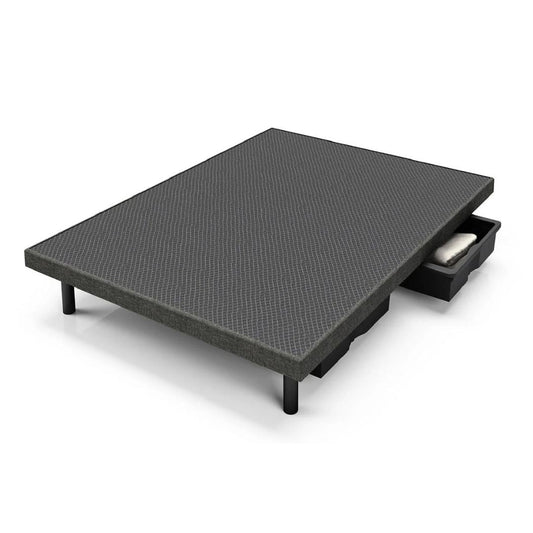
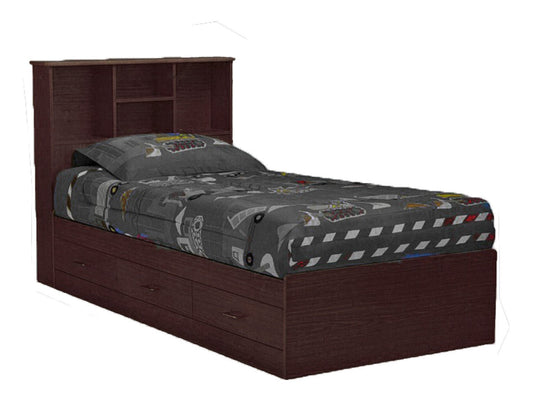
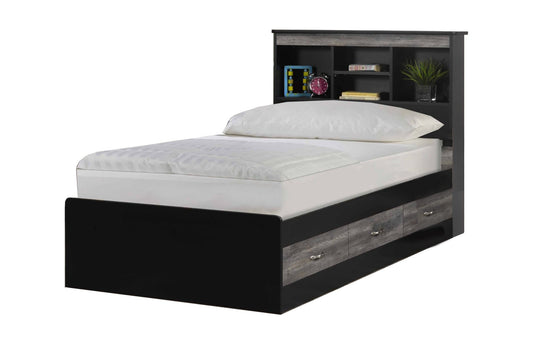
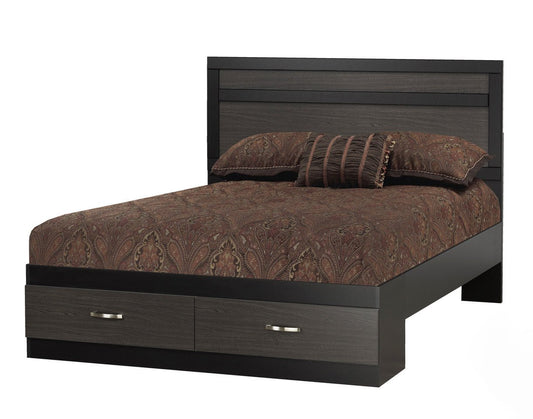
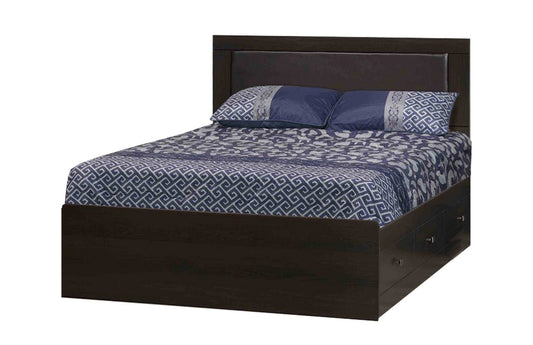
Under-bed drawers are available in side-opening and end-opening configurations. Side-opening drawers are more accessible but require clearance along the side of the bed. End-opening drawers work better when the bed is placed against a wall.
Under-Bed Space (Open)
Some platform frames elevate the mattress enough to allow storage bins, luggage, or seasonal items to slide under the bed without integrated drawers. Measure the clearance from the floor to the bottom of the frame rails before buying bins or baskets designed to fit this space.
Ottoman / Lift-Up Storage
Hydraulic lift-up frames allow the entire mattress platform to be raised, revealing a large storage cavity underneath. These are less common in twin sizes but are available, particularly in daybed and platform designs.
Matching Frame Finish to Your Room
Natural wood finishes range from light (birch, ash) to medium (pine, cherry) to dark (walnut, espresso-stained oak). The finish you choose should coordinate with other furniture in the room and with the wall colour.
For children's rooms, painted frames (white, grey, or pastel) offer versatility and are easy to touch up if the frame gets dinged. Natural wood finishes work best in rooms that already have warm wood tones in the flooring or other furniture.
Always confirm whether the frame uses a solid colour paint or a stained finish. Painted finishes can be matched at a hardware store if you need touch-ups. Stained finishes are harder to match exactly without refinishing the entire piece.
Noise: Why Some Wooden Frames Creak
Creaking is one of the most common complaints about wooden bed frames. The noise usually comes from one of three sources: slat movement, joint loosening, or mattress friction against the frame.
Slat movement is the most common cause. When slats are not held firmly in place, they shift slightly each time weight transfers across the mattress. Attaching adhesive felt pads to the slat ends or drilling and screwing slats into the rails eliminates this completely.
Joint loosening happens over time as wood expands and contracts seasonally. Retightening all hardware bolts once a year prevents most joint-related creaking. Applying a small amount of beeswax or bar soap to wooden joint surfaces can reduce friction noise as well.
Mattress-to-frame friction occurs when the mattress slides slightly on the slats. A non-slip mattress pad placed between the mattress and the slats keeps everything in place and eliminates this type of noise.
Canadian Retail Landscape for Twin Wooden Frames
In Canada, wooden twin frames are widely available at furniture retailers, big-box stores, and specialty mattress shops. Pricing ranges from approximately $150 for a basic pine platform frame to well over $1,000 for solid hardwood or heirloom-quality pieces.
When buying a frame in person at a furniture or mattress store, bring a tape measure and verify the interior dimensions match your mattress size. Ask about the slat spacing and maximum weight capacity. A good retailer will know these specifications without having to look them up.
If you are purchasing a twin bed slats replacement set separately from your frame, confirm that the slats are the correct length for your frame's interior width before ordering.
Pairing the Right Mattress With a Wooden Frame
A wooden frame is only as good as the mattress it supports. Different mattress types have different requirements for the support surface underneath them.
Memory Foam and Latex Mattresses
These mattresses require a firm, evenly spaced support surface. Slat gaps greater than 2.5 inches will allow the foam to deform into the gaps over time. Ensure the frame you choose has appropriate slat spacing before committing to a foam mattress purchase.
Hybrid Mattresses
Hybrid mattresses combine pocketed coils with foam comfort layers. They are slightly more forgiving about slat spacing than all-foam mattresses (coils distribute load more broadly), but the general rule of no more than 3-inch gaps still applies.
Innerspring Mattresses
Traditional innerspring mattresses are the most forgiving in terms of slat spacing requirements. They also traditionally paired with a box spring, so if you are using an older innerspring mattress on a new wooden platform frame, confirm the mattress warranty is not voided by removing the box spring.
A Note on Mattress Warranties and Frame Compatibility
Most mattress manufacturers include specific foundation requirements in their warranty documentation. If the warranty requires a "solid foundation" or "slatted base with maximum 3-inch spacing" and you place the mattress on a frame that does not meet those specs, any warranty claim related to sagging or body impressions may be denied. Keep the warranty booklet from your mattress and cross-reference it with the frame specifications before purchasing.
If you are unsure, bring your mattress purchase receipt or warranty card to the frame retailer and ask them to confirm compatibility. Any reputable mattress or furniture retailer should be able to answer that question clearly.
Frequently Asked Questions
What size is a twin wooden bed frame?
A twin wooden bed frame is designed to hold a mattress measuring 38 inches wide by 75 inches long (approximately 97 cm x 190 cm). The outer frame dimensions will be slightly larger due to the side rails and posts.
How much weight can a wooden twin bed frame hold?
Most wooden twin bed frames support between 250 and 500 lbs depending on the wood type, joinery quality, and slat design. Solid hardwood frames with centre support beams typically carry higher weight ratings.
What slat spacing is best for a twin wooden frame?
No more than 3 inches (7.5 cm) for innerspring mattresses, and no more than 2.5 inches (6.3 cm) for memory foam, latex, or hybrid mattresses.
Do I need a box spring with a wooden twin frame?
Most modern platform-style wooden twin frames do not require a box spring. If the frame has widely spaced rails, a box spring or bunkie board is needed to provide adequate mattress support.
What wood is best for a twin bed frame?
Solid hardwoods like maple, oak, and ash offer the best durability. Pine and rubberwood are good alternatives at a lower price point. Avoid MDF or particleboard in structural components.
Twin wooden bed frames range from simple pine platform frames ($100 to $200) to solid maple or oak craftsman frames ($400 to $1,200), with wood type, joinery method, and finish quality determining both durability and visual character in the bedroom. Mattress Miracle at 441½ West Street in Brantford carries Lakewood solid wood furniture in maple, oak, and pine, which is increasingly hard to find in the Brantford area. Brad recommends solid wood over particle board for any bed frame expected to last more than 5 years, because solid wood frames can be refinished and repaired while engineered wood frames cannot, making the higher upfront cost a better long-term investment. Call (519) 770-0001.
Brad, Owner, 40+ years of experience: "Every customer's situation is different. We have been helping Brantford families find the right mattress for over 37 years, and we are always happy to answer questions in person at our showroom on West Street."
8 min read
Visit Our Brantford Showroom
We are located at 441½ West Street in downtown Brantford. Free parking available. Our team does not work on commission, so you get honest advice based on your needs.
Mattress Miracle , 441½ West Street, Brantford, ON , (519) 770-0001
Hours: Monday–Wednesday 10am–6pm, Thursday–Friday 10am–7pm, Saturday 10am–5pm, Sunday 12pm–4pm.
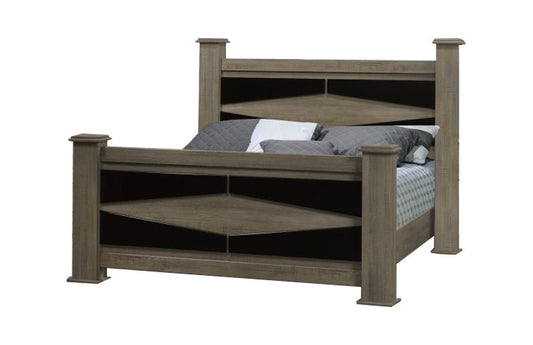
If you are shopping for a new twin mattress to pair with your wooden frame, come in and let us help you find the right match. We carry a full range of twin mattresses suited to platform, panel, and bunk frame setups.
Get Directions to Mattress Miracle
Shop: Twin Mattresses at Mattress Miracle
Shop This Topic at Mattress Miracle
Popular picks at Mattress Miracle:
- Restonic ComfortCare Dalton & Albany pocketed-coil mattress
- Whitney two-sided bamboo mattress
- Somnia 3.0 support pillow
Or browse all mattresses in our Brantford showroom.
What are the best places to buy a twin bed frame in Canada, and what should I prioritize?
For a twin bed frame in Canada, the best place to buy depends on what matters most: price, assembly simplicity, return flexibility, or durability. For price-first buyers: IKEA Canada is the dominant value option for twin wooden frames, offering their TARVA (solid pine, $179 to $229), HEMNES (solid wood, $299 to $379), and NEIDEN (birch, $129) in twin/single sizes - all available for order online and in-store. For assembly-first buyers: platform twin frames with central beam support and pre-drilled hardware from The Brick or Leon's typically arrive better packaged with clearer assembly instructions than pure online retailers. For quality-first buyers: Article Canada and EQ3 offer solid hardwood twin frames ($499 to $899) with better finish quality and longer warranties than the budget options. For online-first with Canadian returns: Wayfair Canada has the widest selection of twin bed frames online, but read return policy carefully - assembled frames are often excluded from free returns. What to prioritize when buying a twin bed frame in Canada: (1) slat spacing must be 3 inches maximum to properly support a foam mattress without a box spring; (2) centre support leg is critical for full and queen sizes but also helps on twin frames to prevent sagging over time; (3) headboard attachment compatibility if you plan to add a headboard separately. Talia says: "IKEA HEMNES is our most common recommendation for a twin bed frame that balances cost and durability. It is solid wood, the assembly is straightforward, and it will outlast the mattress that goes on it." Browse our bed frames collection for twin frame options, or our best bed frames Canada guide for retailer and style comparisons.
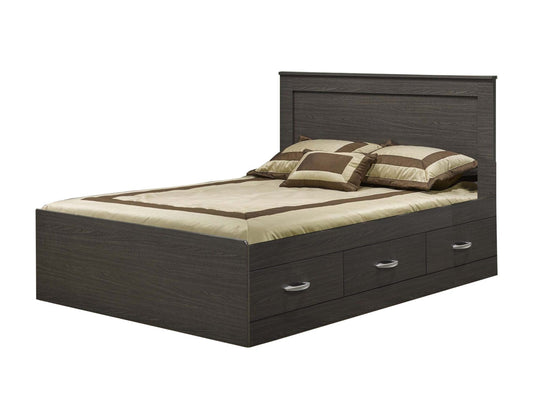
Find Your Perfect Mattress at Mattress Miracle
We are a family-owned mattress store in Brantford, helping our community sleep better since 1997. Come try mattresses in person and get honest, no-pressure advice.
441 1/2 West Street, Brantford, Ontario
Call 519-770-0001