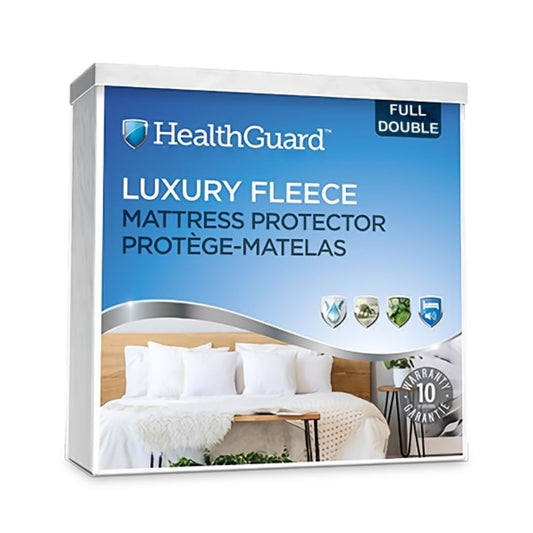
Quick Answer: A waterproof twin mattress protector uses a thin polyurethane or TPU membrane to block spills, sweat, and allergens while letting air pass through. Look for a fitted-sheet style with a breathable cotton or Tencel top and a pocket depth that matches your mattress height. Expect to pay between $40 and $120 for a quality option that lasts years.
In This Guide
Reading Time: 12 minutes
Why Twin Mattresses Need Waterproof Protection
Twin mattresses tend to live harder lives than their larger counterparts. They are the default size for children's rooms, bunk beds, guest rooms, university residences, and daybed setups. The people sleeping on them are often younger, messier, or rotating through more frequently. A waterproof twin mattress protector is not a luxury in these situations. It is basic mattress insurance.
Consider what a bare mattress absorbs over time. The average person produces roughly 200 millilitres of sweat during a full night of sleep, and children can produce more during fever episodes or warm summer nights. Add in the occasional spilled drink, a pet who jumps up uninvited, or a toddler still working through nighttime toilet training, and the mattress becomes a sponge for moisture, bacteria, and odour.
Once liquid reaches the foam or coil layer of a mattress, it is nearly impossible to fully remove. Moisture creates an ideal environment for mould, mildew, and dust mite colonies. And here is the practical consequence many people overlook: most mattress warranties specifically exclude stains. If you need to make a warranty claim on a mattress with visible staining, the manufacturer can deny it outright.
The Dust Mite Factor
Dust mites thrive in warm, humid environments. A mattress without a protector can harbour tens of thousands of dust mites within the first year of use, producing allergen particles that trigger asthma, rhinitis, and eczema flare-ups. Research published in the Journal of Allergy and Clinical Immunology found that encasement-style protectors significantly reduced dust mite allergen levels on mattress surfaces. For children with allergies or asthma, a waterproof protector doubles as an allergen barrier.
A good waterproof twin mattress protector solves all of these problems quietly. It sits between the sheet and the mattress, catching everything that would otherwise soak through. And modern protectors do this without the crinkly, sweaty feel that gave older models a bad reputation.
Brad, Owner, 40+ years of experience: "I have been selling mattresses for close to four decades, and the single most common reason people replace a mattress early is staining and odour that could have been prevented with a $60 protector. It is the cheapest insurance you can buy for your bed."
How Waterproof Mattress Protectors Actually Work
The technology behind a waterproof mattress protector is straightforward once you understand the layers involved. Most quality protectors use a two-layer or three-layer construction.
The top layer is the sleeping surface. This is typically cotton, polyester, bamboo-derived rayon, or Tencel (a fibre made from eucalyptus pulp). Cotton and Tencel are the most breathable and comfortable options. They feel like a normal fitted sheet against your skin, which is exactly the point. You should not be able to tell a protector is there.
The middle or backing layer is where the waterproofing happens. Modern protectors use one of two technologies:
Waterproof Membrane Types
- Polyurethane (PU) laminate: A thin film bonded to the fabric backing. This is the most common waterproof layer in mid-range protectors. It blocks liquids while allowing water vapour (from body heat and sweat) to pass through as gas. Think of it like a one-way valve for moisture.
- Thermoplastic polyurethane (TPU): A newer, thinner version of PU. TPU membranes are more flexible and quieter than traditional PU. They are also more durable through repeated washing. Premium protectors tend to use TPU.
- Vinyl or PVC: The old-school approach. Vinyl is completely waterproof but also completely blocks airflow. It traps heat, creates noise, and degrades over time. We do not recommend vinyl protectors for regular sleeping. They have their place in medical or institutional settings where absolute barrier protection is required and comfort is secondary.
Some protectors add a third layer, often a knit or terry backing that sits between the membrane and the mattress surface. This extra layer adds cushioning and helps prevent the membrane from shifting or bunching during sleep.
The key phrase to look for on labels and product descriptions is "breathable waterproof." This means the protector uses a membrane that blocks liquid water molecules (which are large) while allowing water vapour molecules (which are much smaller) to pass through. The result is a protector that stops spills cold but still lets your body heat and moisture dissipate normally.
What "Waterproof" Actually Means in Testing
Not all waterproof claims are equal. The industry standard for testing is the hydrostatic head test, which measures how much water pressure a fabric can withstand before liquid passes through. A protector rated at 10,000 mm hydrostatic head is genuinely waterproof. Budget protectors may only reach 2,000 to 3,000 mm, which is water-resistant at best. They will handle a small spill but may not survive a full glass of water or prolonged exposure.
When a protector claims to be waterproof, ask (or check the product specifications) for the hydrostatic head rating if available. Anything above 5,000 mm is solid. Above 10,000 mm is excellent.
Types of Waterproof Twin Protectors
Waterproof twin mattress protectors come in several formats. The right choice depends on what you need to protect against and how easy you want laundry day to be.
Fitted Sheet Style
This is the most popular format and the one we recommend for most people. It looks and functions like a fitted sheet with an elasticised skirt that wraps around the mattress. The waterproof membrane covers the entire top surface and extends partway down the sides. You put your regular fitted sheet on top of it.
Fitted protectors are easy to put on, easy to wash, and stay in place well on standard-depth mattresses. Most twin versions are designed for mattresses between 8 and 14 inches deep. If your mattress is thicker than that (some pillow tops reach 16 to 18 inches), check the pocket depth on the protector before buying.
Full Encasement (Six-Sided)
An encasement wraps the entire mattress, top, bottom, and all four sides, with a zipper closure. This provides complete 360-degree protection. Encasements are the preferred choice for allergy sufferers and for bed bug prevention because they seal the mattress entirely.
The trade-off is convenience. Removing and replacing an encasement for washing takes more effort than a fitted-style protector. Some people use an encasement as a permanent base layer and add a fitted protector on top for easier washing of the surface layer.
Mattress Pad Style
A waterproof mattress pad combines a thin comfort layer (usually quilted polyester or cotton fill) with a waterproof backing. These add a small amount of cushioning while providing spill protection. They are a good option if your mattress is slightly firmer than you would like and you want to add both softness and waterproofing in a single product.
Keep in mind that the added fill makes these pads thicker and heavier than membrane-only protectors. They also take longer to dry after washing.
Flat Pad (Underpad Style)
Flat pads lay across the mattress surface without wrapping around the edges. They are held in place by tuck-in flaps or simply by the fitted sheet on top. These are popular in healthcare and elder care settings where frequent changes are needed. For children's beds, a flat pad placed across the mid-section can catch most nighttime accidents without requiring a full protector change.
The limitation is obvious: they only protect the area they cover. If the sleeper moves to an unprotected zone, the mattress is exposed.
| Protector Type | Coverage | Ease of Washing | Best For |
|---|---|---|---|
| Fitted Sheet Style | Top and sides | Easy | General use, kids, guest beds |
| Full Encasement | All six sides | Moderate | Allergies, bed bug prevention |
| Mattress Pad Style | Top and sides | Moderate | Added softness plus protection |
| Flat Pad | Centre section only | Very easy | Healthcare, quick changes |
What to Look for When Buying a Waterproof Twin Mattress Protector
There are six things worth paying attention to when choosing a waterproof twin mattress protector. Get these right and you will end up with a protector that does its job without annoying you.
1. Top Fabric Material
Cotton is the gold standard for comfort and breathability. It sleeps cool, absorbs surface moisture, and feels familiar. Tencel (lyocell) is an excellent alternative that wicks moisture even faster than cotton and has natural antibacterial properties. Polyester blends are cheaper but tend to sleep warmer.
If the protector top is 100% polyester with no cotton or natural fibre content, expect it to feel warmer and less breathable. This matters more in summer or for hot sleepers.
2. Membrane Type
As covered above, TPU is the preferred waterproof membrane. It is thinner, quieter, and more durable than standard polyurethane. Avoid vinyl or PVC unless you specifically need a heavy-duty institutional protector.
3. Pocket Depth
This is the measurement that trips people up most often. The pocket depth tells you how deep a mattress the protector can fit over. A standard twin mattress is typically 8 to 10 inches deep. But if you have a pillow top, a mattress topper, or a thicker premium mattress, you might need 14 to 18 inches of pocket depth.
A protector that is too shallow will pop off the corners during the night. That is not just annoying. It defeats the purpose of the protector entirely.
Quick Pocket Depth Check
Measure your mattress from the bottom edge to the very top of the sleeping surface, including any pillow top or built-in topper. Add one inch for comfort. That is your minimum pocket depth. If your mattress measures 12 inches, look for a protector rated for at least 13 inches.
4. Noise Level
Budget protectors can crinkle when you move. This is usually a sign of a thicker, less flexible waterproof membrane (often vinyl). Quality protectors with TPU or thin PU membranes are virtually silent. If noise sensitivity is a concern, look for product descriptions that specifically mention "noiseless" or "silent" construction.
5. Temperature Regulation
Any waterproof layer adds some insulation. That is the physics of putting a barrier between your body and the mattress. The question is how much. Research on sleep thermoregulation shows that the ideal sleeping environment keeps the skin surface between 31 and 35 degrees Celsius. A protector that traps too much heat pushes you above that range, leading to restlessness and fragmented sleep.
Heat and Sleep Quality
Okamoto-Mizuno and Mizuno (2012) found that elevated ambient temperature and humidity directly suppress slow-wave sleep and REM sleep. While a mattress protector is not the same as room temperature, a non-breathable protector can create a localised heat pocket at the mattress surface that produces similar effects. Choosing a breathable protector is not just about comfort. It has real implications for sleep quality.
6. Warranty and Wash Durability
A good waterproof protector should last three to five years with regular washing. Look for products that guarantee their waterproof performance through a stated number of wash cycles (200 or more is solid). Some manufacturers offer a 10-year warranty on the waterproof membrane, which indicates confidence in their product.
Check washing instructions before you buy. Some protectors require cold water only or air drying. If you need something you can throw in a hot wash and tumble dry (families with young children, this means you), make sure the product supports that.
Twin vs. Twin XL: Getting the Right Size
This is a distinction that causes real problems when people order online without checking. A standard twin mattress is 39 inches wide by 75 inches long. A twin XL mattress is 39 inches wide by 80 inches long. Same width, five inches longer.
| Size | Dimensions | Common Uses |
|---|---|---|
| Twin | 39" x 75" (99 x 191 cm) | Children's rooms, bunk beds, daybeds, guest rooms |
| Twin XL | 39" x 80" (99 x 203 cm) | University residences, adjustable beds, taller sleepers |
Twin XL is the standard size in most Canadian university and college residences, including those at Laurier, McMaster, and the University of Waterloo. If you are shopping for a student heading to school in the fall, you almost certainly need twin XL, not twin.
A standard twin protector on a twin XL mattress will leave five inches of mattress exposed at the foot. A twin XL protector on a standard twin mattress will bunch up at the bottom. Neither situation is ideal. Always measure first.
Brantford Students and Families
Brantford is home to the Wilfrid Laurier University campus on Colborne Street, and many local families have students heading to schools across southwestern Ontario. Whether you are setting up a twin bed for a child at home or preparing a twin XL for residence, Mattress Miracle stocks protectors in both sizes. We are about a 10-minute drive from the Laurier Brantford campus, so you can pick up a protector on the way to move-in day.
Adjustable Bed Considerations
If you use a twin or twin XL mattress on an adjustable bed base, your protector needs to be flexible enough to bend with the mattress when the head or foot section is raised. Fitted-sheet style protectors handle this well because the elasticised skirt moves with the mattress. Encasements can be tighter and may resist the bend, which can cause the zipper to strain.
For adjustable bases, we recommend a fitted protector with deep pockets and strong elastic. Avoid anything rigid or heavily quilted.
How to Put On a Waterproof Twin Mattress Protector
Fitting a protector properly makes a real difference to how well it performs and how comfortable it feels. A poorly fitted protector bunches, shifts, and rustles. Here is how to get it right.
Step 1: Remove All Bedding
Strip the mattress completely. Remove all sheets, toppers, and any old protector. This gives you a clean surface to inspect the mattress for existing stains or damage before covering it. If you spot staining, consider whether you need an encasement rather than a fitted protector to fully seal the mattress.
Step 2: Identify the Waterproof Side
Most protectors have a fabric top (the sleeping surface) and a membrane backing (the waterproof barrier). The membrane side faces down, against the mattress. If your protector has a tag, it usually goes at the foot end. Running your hand across each side will quickly tell you which is the smooth membrane and which is the soft fabric.
Step 3: Start at One Corner
Stretch the elasticised pocket or skirt over one corner of the mattress, pulling it snugly underneath. Then move to the diagonally opposite corner and repeat. This anchors the protector and prevents bunching. Working diagonal corners first is the same technique used for fitted sheets, and it works just as well here.
Step 4: Secure Remaining Corners
Pull the protector over the two remaining corners. Smooth the top surface with your hand, working from the centre outward to eliminate wrinkles. A smooth fit prevents noise and improves comfort. If you notice excess fabric pooling at the sides, the pocket depth may be deeper than your mattress requires, which is fine as long as the top surface is taut.
Step 5: Check the Depth Fit
Run your fingers around the perimeter where the skirt meets the mattress underside. The elastic should sit at least two inches under the mattress edge on all sides. If it barely reaches or pops off, the protector's pocket depth is too shallow for your mattress. Return it and size up.
Dorothy, Sleep Specialist: "I always tell parents to keep a second protector on hand. When a child has an accident at 2 a.m., you do not want to be fussing with laundry. Strip the wet protector, put on the clean one, remake the bed, and deal with the washing in the morning. Two protectors on rotation makes life much easier."
Care and Washing Instructions
A waterproof twin mattress protector only works if you maintain it properly. The waterproof membrane is durable but not indestructible. Here is how to keep it performing.
Washing Frequency
Under normal conditions, wash your protector every four to six weeks. If the sleeper has allergies, asthma, or eczema, increase that to every two weeks. If there has been a spill or accident, wash it immediately. Leaving moisture trapped against the membrane for extended periods can degrade its effectiveness and create odour.
Machine Washing
Most quality protectors are machine washable. Use warm water (not hot) with a mild detergent. Avoid bleach entirely. Chlorine bleach attacks polyurethane and TPU membranes, breaking down the waterproof barrier over time. Oxygen-based bleach alternatives are gentler but still not ideal for regular use.
Wash the protector separately or with other lightweight bedding. Do not cram it into a load with heavy items like jeans or towels, as the agitation can stress the membrane.
Drying
Tumble dry on low heat. High heat is the number one killer of waterproof membranes. It can cause the PU or TPU layer to delaminate from the fabric, creating bubbles and weak spots where water can seep through. If you have time, air drying is the gentlest option and will extend the protector's lifespan significantly.
Never iron a waterproof protector. The direct heat will melt or warp the membrane.
Washing Quick Reference
- Temperature: Warm (40 degrees Celsius max)
- Detergent: Mild, liquid preferred
- Bleach: Never
- Dryer: Low heat or air dry
- Ironing: Never
- Dry cleaning: Never
- Fabric softener: Avoid (can coat and reduce breathability)
When to Replace
Replace your waterproof protector when you notice any of these signs:
- Liquid seeping through to the mattress surface despite no visible tears
- The membrane feels stiff, crackly, or has visible peeling
- Elastic has lost tension and the protector shifts during sleep
- Persistent odour that does not resolve after washing
- The fabric surface has thinned or developed holes
Most protectors last three to five years with regular washing. Budget options may only make it through one to two years. This is one area where spending a bit more upfront saves money over time, because the alternative is replacing your mattress.
Common Mistakes When Buying a Waterproof Twin Mattress Protector
After nearly four decades of helping Brantford families choose bedding, we have seen every mistake in the book. Here are the ones that come up most often.
Confusing Water-Resistant with Waterproof
Water-resistant means the fabric can repel light splashes for a short time. Waterproof means liquid cannot pass through the membrane at all, even under sustained contact. For a mattress protector, you want waterproof. Water-resistant protectors will eventually let liquid through if a spill sits long enough, which is exactly what happens when a child has a nighttime accident.
Ignoring Pocket Depth
We covered this above, but it bears repeating because it is the most common return reason. Measure your mattress. Include the topper if you use one. Buy a protector with at least one inch of extra depth beyond your measurement.
Choosing Based on Price Alone
A $15 protector from a discount retailer will almost certainly use a vinyl or low-grade PU membrane. It will crinkle, trap heat, and deteriorate within months. A $50 to $80 protector with a TPU membrane and cotton top will last years and actually feel comfortable. When you consider that it is protecting a mattress worth $500 to $2,000, the math is straightforward.
Skipping the Protector on a New Mattress
Some people wait until after a spill to buy a protector. By then, the damage is done. Put the protector on the same day you set up the mattress. Our delivery team at Mattress Miracle can even help you fit a new protector during white-glove delivery setup.
Using the Wrong Size for Twin XL
This one catches university-bound students every September. A twin protector does not fit a twin XL mattress. Check your residence's mattress specifications before buying. When in doubt, bring the measurements to our showroom and we will match you to the right size.
Pairing a Protector with the Right Mattress
A waterproof twin mattress protector works with any mattress type, but certain pairings are worth thinking about.
Memory Foam Mattresses
Memory foam is particularly vulnerable to moisture damage because it absorbs liquid readily and dries very slowly. A waterproof protector is essentially mandatory for memory foam. Choose a breathable option with a cotton or Tencel top to avoid adding to the heat retention that memory foam is already known for.
Innerspring and Hybrid Mattresses
Our Restonic ComfortCare mattresses use individually wrapped coils that perform best when kept dry. Moisture can corrode metal coil systems over time, leading to squeaks and reduced support. A fitted-sheet style protector is the easiest option for these mattresses. The Restonic ComfortCare Twin, with its 690 individually wrapped coils, pairs well with a standard-depth fitted protector.
Flippable Mattresses
If you have a flippable mattress like our Restonic Revive Reflections, which is designed to be used on both sides, consider a full encasement protector. This protects both sleeping surfaces. When you flip the mattress every few months, both sides remain clean and stain-free.
Mattresses on Bunk Beds
Bunk bed mattresses deserve extra attention. The top bunk is harder to access for quick sheet changes during nighttime accidents, and spills from the top bunk can drip down to the lower mattress. We recommend waterproof protectors on both bunks, even if only one has a younger child.
Health and Allergy Benefits
Beyond spill protection, a waterproof twin mattress protector offers genuine health benefits, particularly for children and allergy sufferers.
Dust Mite Allergen Reduction
Dust mites feed on dead skin cells and thrive in the warm, humid interior of mattresses. Their waste products are one of the most common indoor allergens. A waterproof protector creates a physical barrier between the sleeper and the mite colonies living inside the mattress. Encasement-style protectors are the most effective for this purpose because they seal the entire mattress.
Mould and Mildew Prevention
Brantford's climate brings humid summers and temperature swings that can create condensation on and around mattresses, especially in basements and ground-floor bedrooms. A waterproof protector prevents body moisture from reaching the mattress interior, where it would otherwise create conditions for mould growth. This is particularly important for children's mattresses placed directly on lower bunk frames or platform beds with limited airflow underneath.
Protectors and Asthma Management
The Canadian Paediatric Society recommends allergen-proof mattress covers as part of a comprehensive environmental control strategy for children with asthma and allergic rhinitis. While mattress encasements alone are not sufficient to control symptoms, they form an important part of a multi-pronged approach that includes regular washing of bedding in hot water, controlling indoor humidity, and minimizing soft furnishings in the bedroom.
Skin Irritation and Eczema
For children with eczema or sensitive skin, keeping the mattress surface clean and free of accumulated allergens can reduce nighttime flare-ups. A protector with a smooth cotton or Tencel top is gentler on sensitive skin than the textured surface of a bare mattress or a rough polyester protector. Wash the protector regularly in fragrance-free detergent to minimize irritation.
What to Expect to Pay
Waterproof twin mattress protectors range from under $20 to over $150. Here is what each price bracket typically offers.
| Price Range | Membrane Type | Top Fabric | Expected Lifespan |
|---|---|---|---|
| Under $30 | Vinyl or thin PU | Polyester | 6 to 12 months |
| $30 to $60 | PU laminate | Cotton blend | 2 to 3 years |
| $60 to $100 | TPU | Cotton or Tencel | 3 to 5 years |
| Over $100 | Premium TPU | Organic cotton or Tencel | 5+ years |
For most families, the $60 to $100 range offers the best value. You get a comfortable, breathable protector with a durable membrane that will last through years of regular washing. The protectors we carry at Mattress Miracle fall into this range, and we have selected them specifically for their durability and comfort.
Shop Locally for the Right Fit
Buying a mattress protector online can be hit or miss because you cannot feel the fabric or check the pocket depth before it arrives. At our showroom on West Street in Brantford, you can touch the materials, compare membrane types, and make sure the protector fits your exact mattress. If you have already purchased a mattress from us, bring along the model name and we can recommend the best protector match.
Environmental Considerations
If sustainability matters to you, there are a few things to consider when choosing a waterproof twin mattress protector.
Organic cotton tops use cotton grown without synthetic pesticides or fertilizers. They cost more but have a lower environmental footprint during production. Tencel (lyocell) is made from sustainably harvested eucalyptus trees and uses a closed-loop manufacturing process that recovers and reuses solvents. Both are better choices than conventional polyester, which is derived from petroleum.
For the waterproof membrane, TPU is more environmentally friendly than PVC (vinyl). TPU does not contain chlorine, phthalates, or heavy metals, and it can be recycled in some industrial facilities. PVC production releases dioxins and other pollutants.
The most sustainable choice, though, is simply buying a quality protector that lasts. A $70 protector that lasts five years produces far less waste than three $25 protectors replaced every 18 months.
Shop This Topic at Mattress Miracle
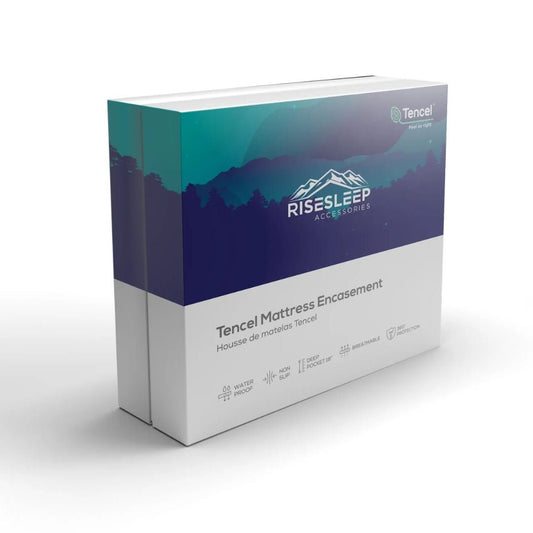
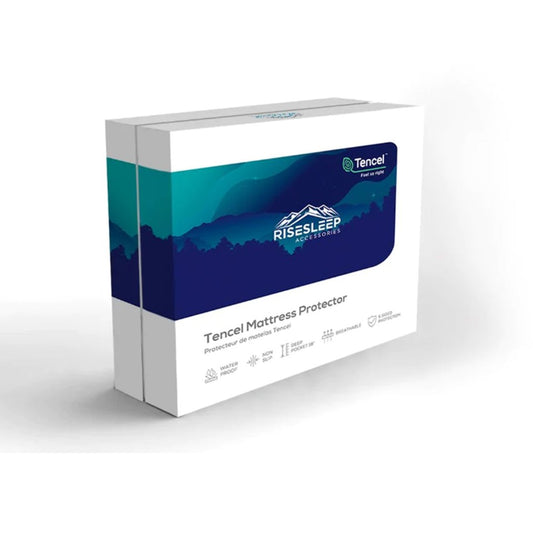
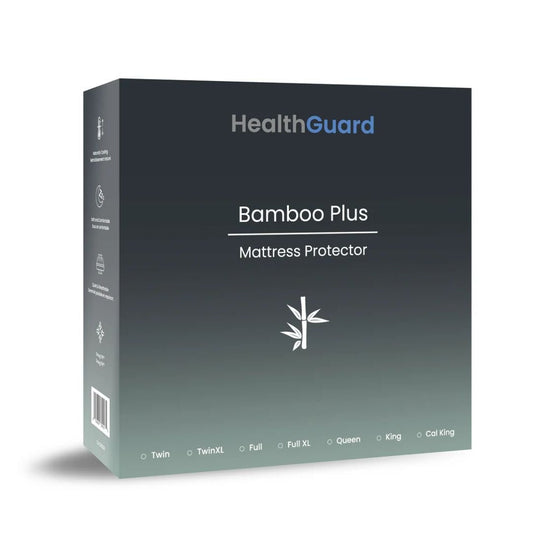
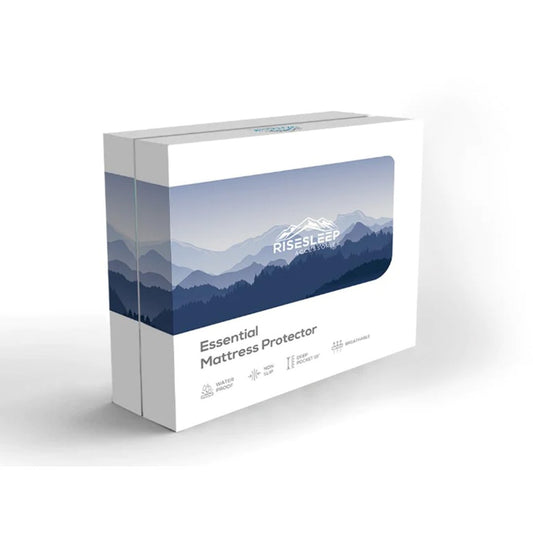
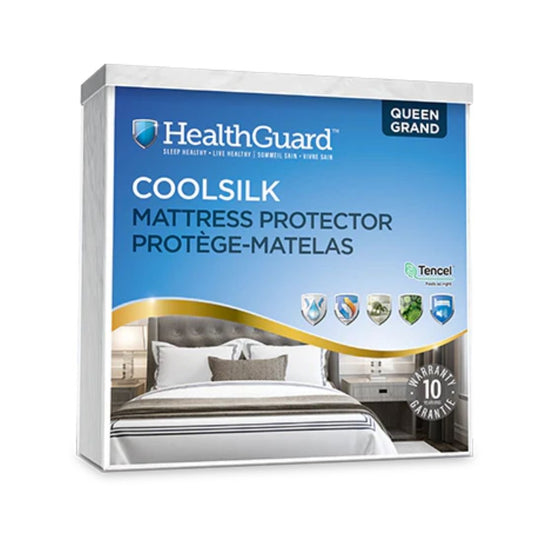
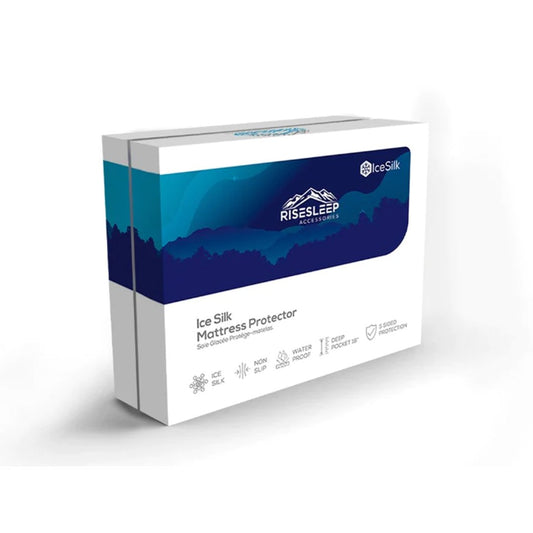
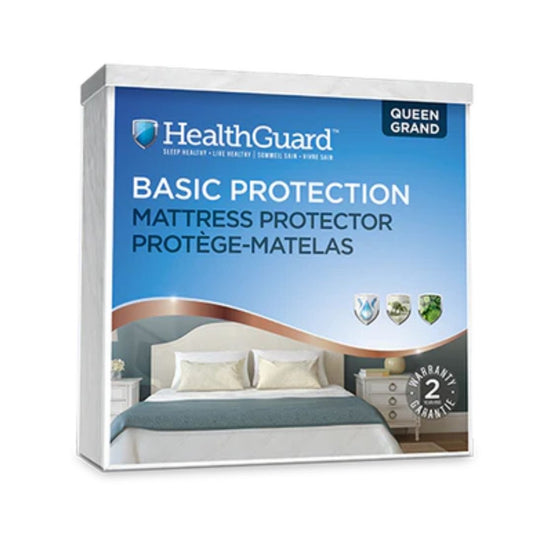
Mattress protectors at Mattress Miracle:
Or mattress protectors in our Brantford showroom.
Find Your Perfect Mattress at Mattress Miracle
We are a family-owned mattress store in Brantford, helping our community sleep better since 1997. Come try mattresses in person and get honest, no-pressure advice.
441 1/2 West Street, Brantford, Ontario
Call 519-770-0001Frequently Asked Questions
Do waterproof twin mattress protectors make you sweat?
Older vinyl protectors were notorious for trapping heat. Modern waterproof twin mattress protectors use polyurethane membranes or TPU backings that block liquids while allowing air and moisture vapour to escape. If breathability matters to you, look for protectors with cotton or Tencel tops, and avoid anything described as vinyl or PVC.
How often should you wash a waterproof mattress protector?
Wash your waterproof mattress protector every four to six weeks under normal use. If the sleeper has allergies or asthma, washing every two weeks is better. Always follow the care label. Most quality protectors can handle a warm machine wash and low tumble dry. Avoid bleach and high heat, as both can damage the waterproof membrane over time.
Will a waterproof protector void my mattress warranty?
No. In fact, most mattress manufacturers recommend using a protector. Many warranties specifically exclude stains as a covered defect. Using a waterproof twin mattress protector actually helps preserve your warranty by keeping the mattress free of stains, spills, and biological contaminants that would otherwise disqualify a claim.
What size waterproof protector fits a twin XL mattress?
A standard twin protector measures 39 by 75 inches, while a twin XL protector is 39 by 80 inches. The five-inch length difference matters. A standard twin protector on a twin XL mattress will leave the foot of the bed exposed. Always check the label. If you are shopping for a university residence or adjustable bed, you almost certainly need twin XL.
Can I buy a waterproof twin mattress protector at Mattress Miracle in Brantford?
Yes. Mattress Miracle at 441 1/2 West Street in Brantford carries waterproof mattress protectors in every standard size, including twin and twin XL. Brad and the team can help you find the right fit for your mattress depth and sleeping preferences. Call (519) 770-0001 or visit the showroom any day of the week.
Sources
- Okamoto-Mizuno, K., & Mizuno, K. (2012). Effects of thermal environment on sleep and circadian rhythm. Journal of Physiological Anthropology, 31(1), 14. doi.org/10.1186/1880-6805-31-14
- Portnoy, J., Miller, J.D., Williams, P.B., et al. (2013). Environmental assessment and exposure control of dust mites: a practice parameter. Annals of Allergy, Asthma & Immunology, 111(6), 465-507. doi.org/10.1016/j.anai.2013.09.018
- Wilson, J.M., & Platts-Mills, T.A.E. (2018). Home environmental interventions for house dust mite. Journal of Allergy and Clinical Immunology: In Practice, 6(1), 1-7. doi.org/10.1016/j.jaip.2017.10.003
- Custovic, A., & Woodcock, A. (2000). Allergen avoidance: does it work? British Medical Bulletin, 56(4), 1071-1086. doi.org/10.1258/0007142001903599
- Arlian, L.G., & Platts-Mills, T.A.E. (2001). The biology of dust mites and the remediation of mite allergens in allergic disease. Journal of Allergy and Clinical Immunology, 107(3), S422-S429. doi.org/10.1067/mai.2001.113670
Visit Our Brantford Showroom
We are located at 441½ West Street in downtown Brantford. Free parking available. Our team does not work on commission, so you get honest advice based on your needs.
Mattress Miracle , 441½ West Street, Brantford, ON · (519) 770-0001
Hours: Monday–Wednesday 10am–6pm, Thursday–Friday 10am–7pm, Saturday 10am–5pm, Sunday 12pm–4pm.