

Brad, Owner, 40+ years of experience: "We have been helping Brantford families sleep better since 1997. Every customer gets personal attention, honest advice, and the kind of follow-up service you just do not get from big box stores."
Table of Contents
Walk into any mattress store in Brantford, and you'll quickly realize that not all mattresses are created equal. The materials inside make all the difference in how you sleep, how long the mattress lasts, and whether you wake up refreshed or achy.
We've been helping folks in Brantford since 1997, and at our West Street shop since 2010, and one of the most common questions we hear is: "What's actually inside this mattress?" It's a great question. Understanding mattress materials helps you make a smarter choice instead of just lying down on a few beds and hoping for the best.
Let's break down the four main types of mattress materials you'll encounter: innerspring, memory foam, latex, and hybrid constructions. Each has genuine strengths and honest limitations.
Innerspring Mattresses: The Traditional Choice

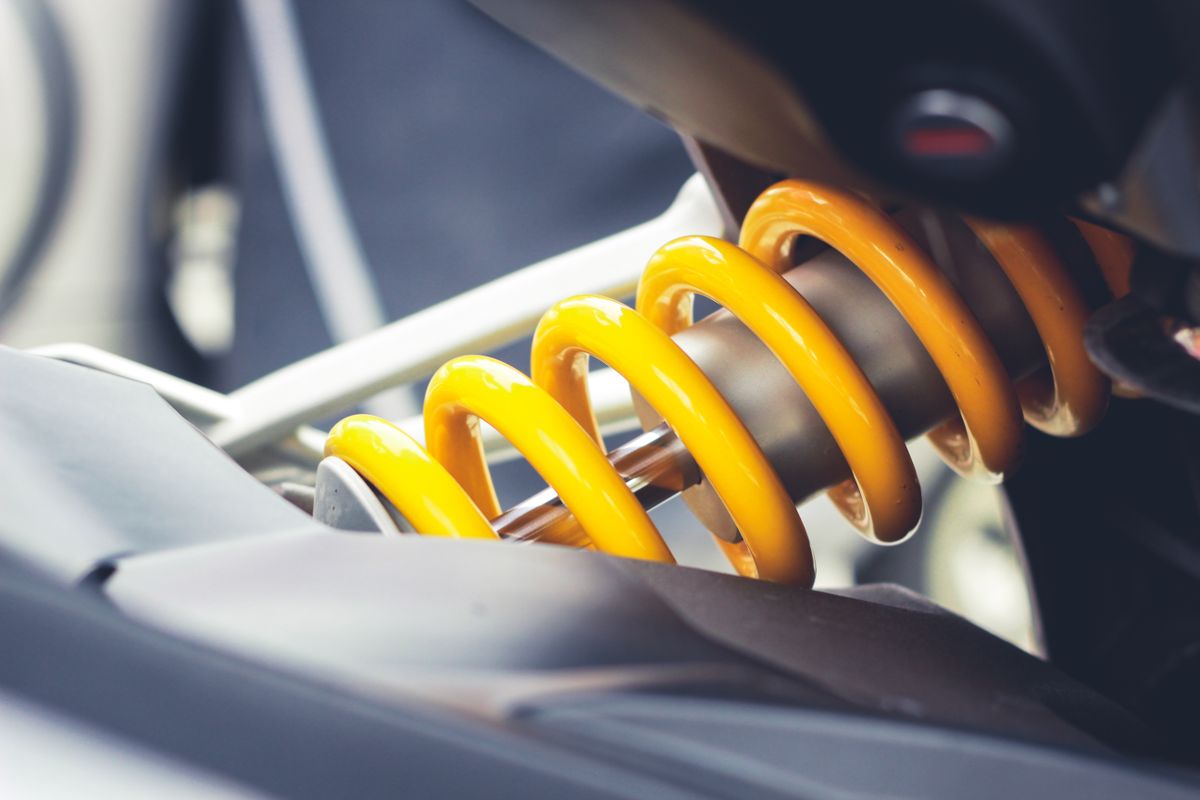
Innerspring mattresses are what most of us grew up sleeping on. They use metal coils as the support system, topped with layers of padding and fabric. If you like a mattress with bounce and easy movement, innerspring might be your material.

Types of Coil Systems
Not all coil systems work the same way. Here's what you'll find:
Bonnell Coils: These hourglass-shaped coils are the most common and affordable. They're interconnected, which means when you move, your partner might feel it. Good support, but less motion isolation than newer designs.
Pocket Coils (Individually Wrapped): Each coil sits in its own fabric pocket, moving independently. This design reduces motion transfer significantly. When your partner gets up at night, you're less likely to notice. Many customers tell us this makes a real difference for couples.
Offset Coils: These create a hinged effect where the coils flex more easily under light pressure but firm up under heavier weight. You get contouring with solid support, though they're less common now than pocket coils.
Innerspring Pros
- Excellent breathability - air flows freely through the coils
- Strong edge support for sitting on the bed's side
- Responsive bounce makes movement easy
- Wide range of firmness levels available
- Generally more affordable than specialty foams
Innerspring Cons
- Motion transfer with traditional coil systems
- Can develop squeaks over time
- Less pressure relief than contouring materials
- Comfort layers may compress faster than the coils wear out
8 min read
Memory Foam: NASA-Inspired Comfort

Memory foam was developed by NASA in 1966 to improve cushioning in aircraft seats. It took a few decades to make its way into mattresses, but now it's one of the most popular materials we sell.
The defining feature of memory foam is how it responds to heat and pressure. When you lie down, the foam softens and molds to your body shape, distributing your weight evenly. When you get up, it slowly returns to its original form.
Types of Memory Foam
Traditional Memory Foam: The original formulation creates that classic slow-response feel. It excels at pressure relief but can trap body heat. If you sleep warm, this might not be your best choice.
Gel-Infused Memory Foam: Manufacturers add gel beads or swirls to improve heat dissipation. The gel absorbs and disperses heat more effectively than standard foam. Many customers in our Brantford showroom notice the cooling difference when comparing gel to traditional memory foam side by side.
Plant-Based Memory Foam: These foams replace some petroleum-based ingredients with plant oils. They tend to sleep cooler, respond faster, and emit fewer odors when new. The environmental benefit is a bonus for customers who prefer more sustainable materials.
How Memory Foam Works
Memory foam is viscoelastic, meaning it's both viscous (slow-moving) and elastic (returns to shape). When compressed, the open-cell structure allows air to move between cells, creating that characteristic slow response. Your body heat softens the foam where you're lying, allowing it to contour precisely to your pressure points.
Memory Foam Pros
- Exceptional pressure point relief for shoulders and hips
- Excellent motion isolation - you won't feel your partner moving
- Hypoallergenic and resistant to dust mites
- Conforms to any sleep position
- Quiet - no squeaks or creaks
Memory Foam Cons
- Can sleep hot without cooling features
- Some people feel "stuck" in the foam
- Off-gassing odor when new (usually dissipates in days)
- Less responsive for combination sleepers who change positions
- Heavier and harder to move than other mattress types
Latex: Natural and Responsive


Latex mattresses have a devoted following, and for good reason. Natural latex comes from rubber tree sap, making it one of the most sustainable mattress materials available. It offers a unique combination of contouring comfort and responsive support.

Dunlop vs Talalay Latex
Two main manufacturing processes create different latex feels:
Dunlop Latex: The original method, dating back to the 1920s. The liquid latex is poured into a mold, then vulcanized (heated to solidify). Sediment settles to the bottom, creating a denser feel on one side. Dunlop latex is typically firmer and more affordable. It's excellent for support layers.
Talalay Latex: A more complex process that adds vacuum-sealing and flash-freezing steps before vulcanization. This creates a more consistent cell structure throughout, resulting in a softer, more uniform feel. Talalay works beautifully in comfort layers where you want gentle contouring.
Natural vs Synthetic vs Blended
Natural Latex: Made entirely from rubber tree sap. It's renewable, biodegradable, and incredibly durable. Mattresses made from 100% natural latex can last 15-20 years with proper care. The higher cost reflects the material quality and sustainability.
Synthetic Latex: Manufactured from petroleum-based materials to mimic natural latex properties. It's less expensive but generally less durable and responsive than natural latex.
Blended Latex: Combines natural and synthetic latex, usually in a 70/30 or 60/40 ratio. This offers a middle ground on price and performance. Many quality mattresses use blended latex effectively.
Latex Feel
Latex has a bouncy, responsive quality that's quite different from memory foam. Instead of slowly sinking in, you feel immediate pushback. It's like the mattress is gently supporting you rather than cradling you. For combination sleepers who shift positions at night, this responsiveness makes movement easier.
Latex Pros
- Naturally cooling with excellent airflow
- Responsive support that adjusts as you move
- Exceptional durability - can last 15+ years
- Naturally resistant to dust mites and mold
- Sustainable and eco-friendly (natural latex)
- Relieves pressure while maintaining support
Latex Cons
- Higher price point than foam or innerspring
- Heavy and difficult to move or rotate
- Some people are allergic to latex; anyone with a latex allergy should talk to a doctor before buying a latex mattress
- Limited availability compared to memory foam
- Firmer feel may not suit those who prefer deep sinking
Hybrid Mattresses: Best of Both Worlds
Hybrid mattresses combine a pocket coil support system with comfort layers of memory foam, latex, or specialty foams. The idea is simple: use coils for their breathability, support, and bounce, then add foam or latex on top for pressure relief and contouring.
In our experience, hybrids appeal to couples where one person likes the contouring of foam and the other prefers the bounce of innerspring. It's a compromise that often makes both people happy.
What Makes a Mattress a True Hybrid
Technically, a hybrid should have substantial comfort layers (at least 2 inches) over a substantial coil system. A thin layer of foam over coils is really just an innerspring with padding. The best hybrids use thick comfort layers that provide genuine pressure relief while the coils below handle support and airflow.
Hybrid Pros
- Balanced feel that suits most sleep positions
- Better cooling than all-foam mattresses
- Strong edge support from the coil perimeter
- Good motion isolation from pocket coils and foam
- Easier to move on than pure memory foam
Hybrid Cons
- Higher price point than basic innerspring or foam
- Heavier than innerspring alone
- Comfort layers may wear faster than coils
- More complex construction can mean more potential failure points
Material Comparison Chart

| Feature | Innerspring | Memory Foam | Latex | Hybrid |
|---|---|---|---|---|
| Pressure Relief | Fair | Excellent | Very Good | Excellent |
| Cooling | Excellent | Fair to Good | Excellent | Very Good |
| Motion Isolation | Fair to Good | Excellent | Good | Very Good |
| Edge Support | Excellent | Fair | Good | Excellent |
| Responsiveness | Excellent | Fair | Excellent | Very Good |
| Durability | Good (7-10 years) | Good (7-10 years) | Excellent (15+ years) | Very Good (10-12 years) |
| Price Range | $ - $$ | $$ - $$$ | $$$ - $$$$ | $$ - $$$$ |
| Best For | Hot sleepers, budget-conscious, stomach sleepers | Side sleepers, pressure relief, motion isolation | Eco-conscious, hot sleepers, combination sleepers | Couples, all sleep positions, balanced performance |
↔ Scroll to see full table
Choosing the Right Material for You
Understanding materials is helpful, but the real question is: which one suits your sleep style?
For Side Sleepers
Side sleepers need pressure relief at the shoulders and hips. Memory foam and latex excel here, with memory foam offering deeper contouring and latex providing responsive support. A hybrid with thick comfort layers can also work well. Innerspring alone usually doesn't provide enough give for side sleepers.
For Back Sleepers
Back sleepers need support that maintains spinal alignment without excessive sinking. All materials can work, depending on firmness level. Many back sleepers appreciate the balanced support of a hybrid or a medium-firm latex mattress. Innerspring works if you prefer a firmer, more traditional feel.
For Stomach Sleepers
Stomach sleeping requires a firmer mattress to prevent the hips from sinking and creating back strain. Firm innerspring or firm latex works well. Avoid soft memory foam, which allows too much sinking for stomach sleeping.
For Combination Sleepers
If you shift positions throughout the night, responsiveness matters. Latex and hybrid mattresses make movement easier than slow-responding memory foam. You want a surface that adjusts quickly when you roll over.
For Couples
Motion isolation becomes crucial when sharing a bed. Memory foam offers the best motion isolation, followed by hybrids with pocket coils. If one person tosses and turns while the other is a light sleeper, these materials help keep the peace.
For Hot Sleepers
Temperature regulation is a real concern. Innerspring and latex offer the best natural cooling. If you prefer memory foam, look for gel-infused or plant-based versions, or consider a hybrid that combines foam comfort with coil breathability.
Try Before You Buy in Brantford
We keep all of these materials in our showroom at 441 1/2 West Street. Reading about mattress materials is useful, but feeling the difference yourself is what really helps you decide. We're grateful to help Brantford families find mattresses that suit their actual needs, not just what sounds good on paper. Stop by and spend time on each type - there's no pressure, just helpful guidance when you want it.
Understanding Material Quality
Not all memory foam is equal, and not all latex performs the same. Within each material category, quality varies significantly based on density, manufacturing process, and raw materials.
Foam Density: Higher density foams (4-5 pounds per cubic foot for memory foam) last longer and provide better support than low-density alternatives. They're also heavier and more expensive. Low-density foam (under 3 pounds) breaks down faster but costs less upfront.
Coil Count and Gauge: More coils don't automatically mean better support. Coil gauge (thickness) and construction quality matter more. Look for at least 12.5-gauge steel in quality innerspring and hybrid mattresses.
Latex Certifications: GOLS (Global Organic Latex Standard) and Oeko-Tex certifications verify that latex is genuinely natural and free from harmful chemicals. These certifications add cost but provide peace of mind about material quality.
Making Your Decision
Start with your sleep position and any specific issues you're trying to solve. Side sleeper with shoulder pain? Memory foam or latex makes sense. Hot sleeper on a budget? Innerspring might be your answer. Couple with different preferences? A hybrid often bridges the gap.
Then consider your budget and how long you plan to keep the mattress. A quality latex mattress costs more upfront but can last twice as long as memory foam, potentially saving money over time.
Finally, and this might sound obvious, lie down on actual mattresses. Your body will tell you what works. Some people love the sink of memory foam while others feel trapped. Some find latex perfectly responsive while others want more cushion. There's no wrong answer, just your answer.
Frequently Asked Questions
Which mattress material lasts the longest?
Natural latex mattresses typically last the longest, often 15-20 years with proper care. The dense, resilient material resists sagging and maintains its support properties longer than foam or innerspring. High-quality hybrids and memory foam mattresses usually last 7-10 years, while innerspring mattresses average 7-10 years depending on coil quality and usage.
Is memory foam or latex better for side sleepers?
Both memory foam and latex work well for side sleepers, but they feel different. Memory foam provides deeper contouring and cradles pressure points at the shoulders and hips, which many side sleepers find relieving. Latex offers excellent pressure relief with more responsiveness, making it easier to change positions during the night. The best choice depends on whether you prefer a cradling feel (memory foam) or responsive support (latex).
Do innerspring mattresses sleep cooler than memory foam?
Yes, innerspring mattresses generally sleep cooler than traditional memory foam because air flows freely through the coil system. Memory foam can trap body heat, though modern versions with gel infusion or plant-based formulations have improved cooling significantly. Latex also sleeps cool due to its naturally breathable cell structure. If you're a hot sleeper, innerspring, latex, or a hybrid mattress will likely keep you more comfortable than traditional memory foam.
What's the difference between a hybrid mattress and an innerspring?
A hybrid mattress combines a pocket coil support system with substantial comfort layers of memory foam, latex, or specialty foams (typically 2+ inches). An innerspring mattress primarily uses coils for support with minimal padding on top. Hybrids provide better pressure relief and contouring than traditional innerspring while maintaining the breathability and support that coils offer. Think of hybrids as innerspring mattresses enhanced with modern comfort technology.
Are natural latex mattresses worth the higher price?
Natural latex mattresses cost more upfront but often provide better long-term value. They last 15-20 years compared to 7-10 years for memory foam or innerspring, which can offset the higher initial cost. Natural latex is also sustainable and highly durable. If you have a latex allergy, talk to a doctor before buying a latex mattress. If you plan to keep your mattress for many years, prefer eco-friendly materials, or need exceptional durability, natural latex is often worth the investment. Blended latex offers a middle ground with good performance at a lower price point.
Find Your Perfect Mattress at Mattress Miracle
We are a family-owned mattress store in Brantford, helping our community sleep better since 1997. Come try mattresses in person and get honest, no-pressure advice.
441 1/2 West Street, Brantford, Ontario
Call 519-770-0001Sources
- Jacobson BH, Boolani A, Smith DB. Changes in back pain, sleep quality, and perceived stress after introduction of new bedding systems. J Chiropr Med. 2009;8(1):1-8. DOI: 10.1016/j.jcm.2008.09.002
- Radwan A, Fess P, James D, et al. Effect of different mattress designs on promoting sleep quality, pain reduction, and spinal alignment in adults with or without back pain. Sleep Health. 2015;1(4):257-267. DOI: 10.1016/j.sleh.2015.08.001
- Kovacs FM, Abraira V, Peña A, et al. Effect of firmness of mattress on chronic non-specific low-back pain: randomised, double-blind, controlled, multicentre trial. Lancet. 2003;362(9396):1599-1604. DOI: 10.1016/S0140-6736(03)14792-7
Visit Our Brantford Showroom
We are located at 441½ West Street in downtown Brantford. Free parking available, wheelchair accessible. Our team does not work on commission, so you get honest advice based on your needs.
Mattress Miracle , 441½ West Street, Brantford, ON · (519) 770-0001
Hours: Monday–Wednesday 10am–6pm, Thursday–Friday 10am–7pm, Saturday 10am–5pm, Sunday 12pm–4pm.