
Sleep chambers are controlled-environment rooms designed for optimal sleep, featuring complete light blocking, precise temperature regulation (18 to 20 degrees Celsius), white noise generation, air filtration, and sometimes even controlled humidity, replicating the conditions that sleep laboratories use for clinical research. Mattress Miracle at 441½ West Street in Brantford helps customers create their own version of a sleep chamber at home. Brad notes that you do not need a high-tech sleep pod to achieve laboratory-quality sleep conditions, because blackout curtains, a white noise machine, a breathable mattress, and a programmable thermostat replicate the four most important sleep chamber variables for a fraction of the cost. Call (519) 770-0001.
8 min read
Most of us treat our bedrooms as catch-all rooms. Phones charge on the nightstand. Laptops open on the bed. Laundry waits on the chair in the corner. Blue light flickers from screens until minutes before sleep. Then we wonder why we wake up exhausted.
The concept of the sleep chamber flips this entirely. Instead of treating a bedroom as a room that also happens to have a bed in it, a sleep chamber treats sleep as a high-performance activity that deserves a dedicated, engineered environment. The idea has roots in sports science, sleep medicine, luxury hospitality, and corporate productivity research. And the science behind it is solid.
This guide covers what sleep chambers actually are, how the world's best-resourced organisations use them, and how you can apply the same principles in your own home without an unlimited budget.
What Is a Sleep Chamber?
The term "sleep chamber" has no single universal definition, but in practice it refers to any sleeping environment that has been deliberately and systematically configured to optimise the conditions under which sleep occurs. The variables that matter fall into five broad categories.
- Light: Darkness triggers melatonin secretion from the pineal gland. Even low-level light exposure at night suppresses melatonin and delays sleep onset.
- Temperature: Core body temperature must drop 1 to 2 degrees Celsius to initiate and sustain sleep. A cool room supports this process.
- Sound: Unexpected sounds disrupt sleep architecture even when they do not fully wake you. Consistent background sound masks disruption.
- Air quality: CO2 accumulation in a sealed bedroom impairs sleep quality. Humidity between 40 and 60 percent is optimal.
- Sensory minimisation: Reducing phone notifications, screen exposure, and psychological associations with wakefulness in the sleep space.
In clinical and research contexts, sleep chambers refer to controlled laboratory environments used to study circadian rhythms, sleep stage architecture, and the effects of specific interventions. The Canadian Sleep Society and sleep research groups at universities across North America conduct studies in purpose-built sleep chambers that can control light to a fraction of a lux and temperature to within a fraction of a degree.
In the practical, consumer-facing sense, sleep chambers range from dedicated nap rooms at corporate headquarters to the kind of bedroom setup that a performance-focused individual might create using off-the-shelf products. The common thread is intentionality: every element of the environment is chosen for its effect on sleep physiology rather than its appearance or convenience.
The research supporting environmental sleep optimisation is extensive. A 2019 review published in Sleep Medicine Reviews confirmed that bedroom light, temperature, and noise are among the most consistently modifiable factors affecting sleep quality in adults. The same review found that interventions targeting these variables produced measurable improvements in both subjective sleep quality and objective measures like sleep efficiency and slow-wave sleep duration.
Sleep chambers also address what sleep scientists call sleep hygiene at an architectural level. Rather than relying on willpower and habit alone, a properly designed sleep chamber makes the healthy choice the default. The environment does much of the work automatically.
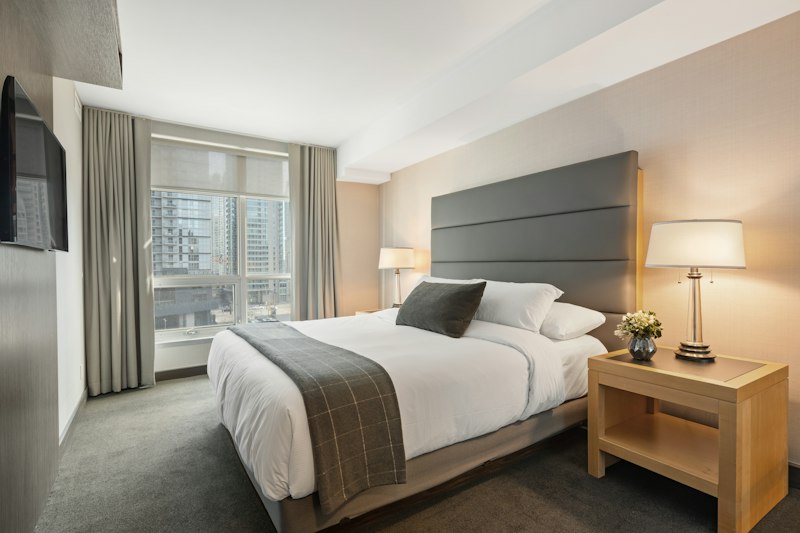
Sensory Deprivation Tanks vs Sleep Chambers
Float tanks, commonly called sensory deprivation tanks, represent the extreme end of the sleep environment spectrum. First developed by neuroscientist John Lilly in the 1950s, modern float tanks are lightproof, soundproofed pods or rooms filled with water saturated with Epsom salt (magnesium sulphate) to the point where the human body floats effortlessly at the surface. Water and air temperature are maintained at skin temperature, approximately 34.5 degrees Celsius, to eliminate the sensation of being in water at all.
The physiological effects are dramatic. Without gravitational load, sound input, light input, or temperature differential, the brain shifts into a highly relaxed, theta-wave-dominant state within 20 to 30 minutes for most users. Studies published in PLOS ONE in 2018 found that a single 60-minute flotation session significantly reduced anxiety, muscle tension, and cortisol levels, with effects persisting for several hours after the session.
However, float tanks and sleep chambers serve different purposes. A float tank is not designed for overnight sleep. The near-zero sensory input that makes flotation so effective for acute stress relief is not what sleep physiology requires for a full night's rest. Sleep requires cycles of light and deep sleep (NREM stages N1 through N3) alternating with REM sleep approximately every 90 minutes. These cycles benefit from environmental consistency, not complete sensory elimination.
In Canada, float centres have expanded significantly over the past decade. Cities like Toronto, Vancouver, Calgary, and Ottawa all have multiple commercial float facilities. Sessions typically run 60 to 90 minutes and cost between $60 and $100.
The sleep chamber, by contrast, uses controlled rather than eliminated sensory input. White noise at a consistent 50 to 60 decibels masks disruptive sound without eliminating all input. Temperature is lowered to the cool but not extreme range. Light is reduced to near-zero levels. The environment is optimised for sustained sleep architecture rather than the acute altered state that flotation produces.
Both have legitimate therapeutic applications. They simply operate on different mechanisms and serve different time scales. Many elite performers use float therapy for recovery and creative sessions while also maintaining optimised bedroom environments for nightly sleep.
What Elite Athletes Do: NHL and NBA Sleep Rooms
Professional sport was one of the first sectors to take sleep science seriously as a competitive performance factor. The shift began in earnest around 2010 when sleep researcher Cheri Mah at the University of California San Francisco published studies showing that sleep extension in collegiate basketball players improved sprint times, shooting accuracy, and reaction time by statistically significant margins. The research got attention at the highest levels of professional sport.
NHL organisations, particularly in the competitive Western Conference, began incorporating sleep coaching into their performance staff rosters around 2015 to 2018. The specific investments vary by franchise and are not always publicly disclosed, but several well-documented practices have emerged.
- Sleep rooms at practice facilities: Dedicated blackout rooms with temperature-controlled beds where players can nap between morning skates and evening games on back-to-back nights.
- Travel sleep protocols: Optimised flight departure times, blue-light-blocking glasses for post-game travel, and meal timing adjustments to minimise circadian disruption on road trips.
- Sleep tracking: Wearables like WHOOP and Oura Ring are used to quantify recovery scores and adjust training load accordingly.
- Hotel room preparation: Teams provide blackout kits (portable blinds, eye masks, white noise speakers) for road games to replicate home sleep conditions.
The NBA has invested even more visibly. LeBron James has famously reported sleeping 10 to 12 hours per day and attributes much of his longevity at the elite level to sleep prioritisation. The Golden State Warriors partnered with sleep coach Nick Littlehales, whose work with elite European football clubs had already attracted attention. Littlehales popularised the concept of thinking about sleep in 90-minute cycles rather than total hours, and recommended specific room configurations including blackout conditions, 18 degrees Celsius room temperature, and limiting non-sleep activity in the bedroom.
Canadian NBA franchises and Olympic programs have adopted similar approaches. The Canadian Olympic Committee's high-performance program has incorporated sleep education and environment optimisation into athlete support since at least the Tokyo 2020 cycle.
The evidence supports these investments. A comprehensive 2021 review in Sports Medicine found that poor sleep was associated with reduced reaction time, impaired decision-making under fatigue, increased injury risk, and slower recovery from training loads. Conversely, sleep extension and environment optimisation were associated with measurable performance gains across multiple sport types.
For professional teams, the cost-benefit calculation is simple. A $50,000 investment in sleep infrastructure that improves player availability and performance by even one or two percent across a season pays for itself many times over relative to player salaries in the tens of millions. For recreational athletes and working professionals, the same principles apply at a proportionally smaller scale.
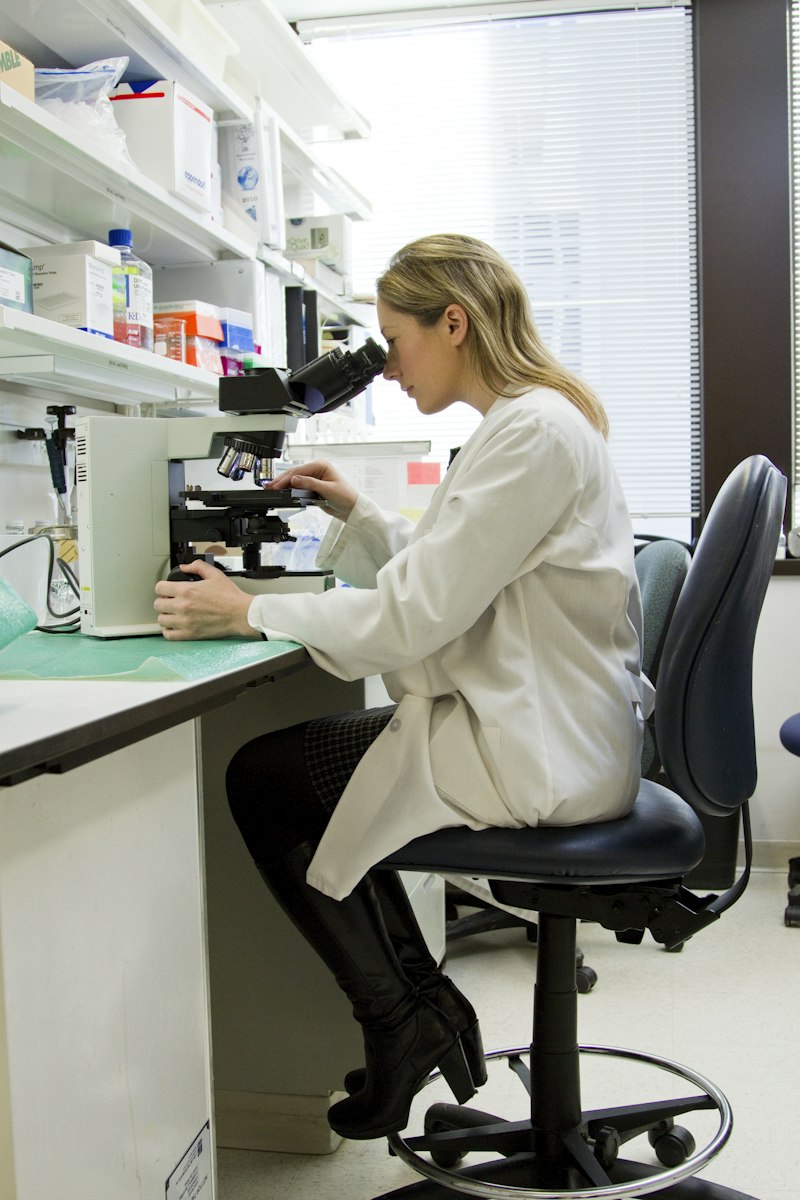
Hotel Sleep Science Programs
The hospitality industry discovered that sleep quality is a primary driver of guest satisfaction and repeat bookings, and several major hotel groups have built entire product lines around the concept.
Westin Hotels: The Heavenly Bed Program
Westin Hotels launched the Heavenly Bed in 1999 and it became one of the most successful product innovations in hotel history. The program replaced standard hotel mattresses with a custom-designed pillow-top mattress, added a duvet with a specific fill power rating, and introduced high-thread-count linens. Within two years, guest satisfaction scores at Westin properties had increased measurably and the brand began selling the bed components directly to consumers, generating hundreds of millions in ancillary revenue.
More recent iterations of the Westin sleep program include blackout curtains as standard equipment, in-room white noise machines in select properties, and a partnership with Calm for in-room guided sleep meditations. Some Westin locations offer sleep retreats with sleep education components as part of the package.
Marriott: Sleep Science Across Brands
Marriott Bonvoy has invested in sleep science across its brand portfolio. The JW Marriott brand partnered with sleep researchers to develop room temperature protocols and pillow menus that allow guests to select firmness levels. The Marriott design team worked with circadian lighting experts to install lighting systems that shift toward warmer, lower-intensity spectra in the evening hours to support melatonin onset.
Several Marriott properties in North America offer sleep packages that bundle early check-in, late checkout, blackout amenities, herbal teas, and aromatherapy kits. These packages command a premium of 20 to 40 percent over standard room rates and maintain high occupancy rates, suggesting genuine consumer demand for sleep-optimised accommodation.
Six Senses and The Ultra-Premium Tier
At the luxury end, resort brands like Six Senses have made sleep optimisation a core identity element. Six Senses properties offer sleep programmes that include sleep physician consultations, in-room sleep tracking with professional analysis, and custom sleep environment configurations. The Six Senses Sleep Programme at some properties runs multiple days and combines dietary analysis, stress management, exercise protocols, and sleep environment optimisation into a structured clinical retreat. These programs run from $5,000 to $20,000 per person.
Corporate Nap Pods and Workplace Sleep Infrastructure
The idea that employees should be able to sleep at work sounds counterintuitive to traditional management thinking. The data, however, strongly supports strategic napping as a productivity intervention.
A 2010 NASA study found that a 26-minute nap improved pilot performance by 34 percent and alertness by 100 percent. Research from the Salk Institute showed that a 90-minute nap restored brain capacity for learning to morning levels. The economic case for workplace napping infrastructure is compelling: cognitive performance, creative problem-solving, and emotional regulation all decline measurably with insufficient sleep, and all improve with strategic napping.
MetroNaps EnergyPod
The MetroNaps EnergyPod, launched commercially in 2004, became the archetypal corporate nap solution. The pod is a reclining chair enclosed in a partial sphere with a built-in visor that lowers to block light and muffle sound. An integrated timer wakes the occupant after a preset duration, typically 20 minutes, with gentle music and vibration. The pod is designed to prevent deep sleep entry, which would cause sleep inertia, while allowing the light restorative sleep that improves alertness and mood.
EnergyPods were installed at Google's campuses in Mountain View, at Nike's corporate headquarters in Oregon, and at various hospitals and medical centres where staff work extended shifts. In Canada, several financial services firms in Toronto's Bay Street district have installed similar wellness amenities as part of broader employee wellbeing programs.
Casper Nap Bar
Mattress company Casper operated a Nap Bar concept in New York City that allowed drop-in customers to pay for 30 to 45-minute nap sessions in private pods. The pods were darkened, temperature-controlled micro-rooms stocked with Casper mattresses and pillows. While the concept did not scale commercially, it attracted substantial media attention and demonstrated consumer willingness to pay for sleep infrastructure outside the home.
Canadian organisations have been slower than American counterparts to formalise nap policies, but the conversation is accelerating. The Mental Health Commission of Canada has highlighted sleep as a foundational element of workplace mental health. Several large Canadian employers, including some major banks and technology companies, have quietly introduced wellness rooms that can accommodate rest during the workday.
Creating a Home Sleep Chamber on a Budget
You do not need a corporate budget or a luxury hotel suite to meaningfully improve your sleep environment. The core principles of sleep chamber science can be applied in a standard Canadian bedroom for a few hundred dollars.
Step 1: Eliminate Light (Budget: $50 to $200)
Blackout blinds or curtains are the single highest-impact sleep environment investment. Standard curtains reduce light by approximately 50 to 70 percent. True blackout curtains or blinds can reduce light transmission to near zero, which is critical because even the light from a street lamp or early sunrise can delay melatonin onset and reduce sleep depth.
- Install blackout blinds behind existing curtains for a layered approach that also looks attractive.
- Address light gaps around window frames with self-adhesive foam weatherstripping. This costs less than $10 and eliminates the edge glow that blackout blinds alone miss.
- Cover all device LEDs in the bedroom. Even the standby light on a TV emits enough light to affect sleep architecture. Black electrical tape costs nothing.
- Invest in a quality sleep mask for nights when full blackout is impractical during travel or in shared spaces.
For windows in awkward sizes or shapes, custom roller blinds with blackout fabric are available from Canadian retailers at reasonable prices. Companies like IKEA, Home Depot, and The Brick offer blackout window treatments starting well under $100 for standard window sizes.
Step 2: Control Temperature (Budget: $60 to $200)
The target temperature range for optimal sleep is 15 to 19 degrees Celsius (60 to 67 degrees Fahrenheit). This is cooler than most people keep their homes during waking hours. Several approaches can achieve this without running your central air conditioning unnecessarily.
- Smart thermostat: A programmable smart thermostat (Nest, Ecobee, or similar) allows you to schedule a temperature drop at bedtime and a gradual rise near wake time.
- Ceiling fan: A ceiling fan creates a wind chill effect that makes the room feel several degrees cooler without lowering the actual temperature.
- Breathable bedding: Natural fibres like wool and cotton wick moisture more effectively than synthetic fills, reducing the overheating that disrupts sleep in the second half of the night.
- Cooling mattress topper: Gel-infused memory foam toppers and wool toppers can meaningfully reduce the heat retention that disrupts sleep for many people.
Step 3: Manage Sound (Budget: $40 to $120)
Sound management in a home sleep chamber operates on two levels: eliminating unwanted sounds and introducing consistent masking sound.
Complete soundproofing of a bedroom is an expensive construction project. Acoustic panels, mass-loaded vinyl, and decoupled wall framing can cost thousands of dollars and require professional installation. For most people, white noise is the practical solution.
A dedicated white noise machine produces consistent broadband sound that masks the irregular sounds that disrupt sleep: traffic, neighbour noise, HVAC cycling, and household sounds. Research supports 50 to 60 decibels as the effective range for sleep sound masking. Playing this at a consistent volume throughout the night is more effective than silence because silence amplifies the perceived disruption of any sound that does occur.
Step 4: Address Air Quality (Budget: $0 to $300)
Air quality is the most overlooked sleep environment variable. CO2 levels in a sealed bedroom rise throughout the night as you exhale. Research published in the journal Indoor Air found that elevated CO2 levels above 1,000 ppm are associated with reduced sleep quality and more frequent night awakenings, independent of other factors.
The free solution is simple: crack a window. Even a small gap provides enough air exchange to prevent CO2 accumulation in most bedroom sizes. In Canadian winters, this requires balancing ventilation against temperature, but a window cracked even a centimetre or two can provide meaningful air exchange.
An air purifier with a HEPA filter addresses allergens, dust mites, and particulates that can trigger respiratory disruption. Humidifiers or dehumidifiers may be warranted depending on your regional climate: Canadian prairie winters are extremely dry, while coastal and Great Lakes regions can have high humidity that encourages dust mites and mould.
Step 5: Reduce Psychological Noise (Budget: $0)
This final category costs nothing but requires behavioural change. The bedroom should be associated exclusively with sleep and rest. Working in bed, watching television in bed, and scrolling phones in bed all reinforce a psychological association between the bedroom and wakefulness that makes it harder to fall asleep.
- No phones in the bedroom, or charging on the opposite side of the room in aeroplane mode.
- No television in the bedroom. If removing the TV feels radical, set a firm rule against watching it for 30 minutes before intended sleep time.
- No working in bed.
- Reserve the bedroom for sleep. If you cannot sleep after 20 minutes, leave the room and return when sleepy.
The Role of Your Mattress in Sleep Chamber Design
A sleep chamber built around a poor mattress is like a high-performance engine fitted into a rusted frame. Every other environmental optimisation you make is partially undone by a mattress that creates pain points, traps heat, or fails to support spinal alignment through the night.
The mattress variables that matter most for sleep chamber design are temperature regulation, support and pressure relief, motion isolation for couples, and long-term durability. Memory foam mattresses have historically retained heat, while modern gel-infused foams, open-cell foam structures, and hybrid designs with coil systems perform significantly better on thermal regulation.
Inadequate support leads to positional discomfort that causes night awakenings, often without the sleeper being fully conscious of the cause. A mattress appropriate for your body weight, sleep position, and any specific pain conditions is foundational to everything else in a sleep chamber setup.
For couples, motion transfer from a partner's movement can cause micro-arousals throughout the night. Memory foam and pocket coil constructions perform better than traditional interconnected spring systems on this measure. Most quality mattresses should be replaced after eight to ten years; a mattress that has sagged or developed body impressions will undermine all other sleep chamber investments.
The right mattress for your sleep chamber is the one that keeps you comfortable, pain-free, and thermally neutral throughout the night. A knowledgeable local mattress retailer can help you narrow down options based on these factors in ways that online purchases rarely match.
Building a genuine sleep chamber is one of the most reliable investments in your long-term health and performance. The science is clear, the tools are accessible, and the results are measurable within days. Start with the variables that are easiest and cheapest to address, track your sleep quality, and build from there.
Frequently Asked Questions
What is a sleep chamber?
A sleep chamber is a purpose-built or deliberately configured space designed to optimise every environmental variable that affects sleep quality, including light, sound, temperature, air quality, and humidity.
What temperature should a sleep chamber be?
Research consistently points to 15 to 19 degrees Celsius (60 to 67 degrees Fahrenheit) as the ideal sleep temperature range for most adults. Core body temperature must drop to initiate and maintain sleep, and a cool room supports that process.
Do professional athletes really use sleep chambers?
Yes. NHL and NBA franchises invest heavily in sleep infrastructure. Several teams employ dedicated sleep coaches and operate blackout sleep rooms at practice facilities where players can nap between sessions.
How is a sleep chamber different from a sensory deprivation tank?
A float tank eliminates virtually all sensory input through dense salt water and total darkness. A sleep chamber uses controlled low-level stimuli such as white noise, optimal temperature, and minimal light rather than complete elimination. Both serve different purposes for different durations.
How much does it cost to create a home sleep chamber?
A functional home sleep chamber can be created for under $500 Canadian. Blackout blinds, a basic white noise machine, an affordable smart thermostat, and breathable bedding form the core. More advanced additions like acoustic panels and air purifiers are optional upgrades.
Visit Our Brantford Showroom
We are located at 441½ West Street in downtown Brantford. Free parking available. Our team does not work on commission, so you get honest advice based on your needs.
Mattress Miracle, 441½ West Street, Brantford, ON, (519) 770-0001
Hours: Monday–Wednesday 10am–6pm, Thursday–Friday 10am–7pm, Saturday 10am–5pm, Sunday 12pm–4pm.
If you are ready to build a proper sleep chamber at home, start with the foundation: come in and try our mattress selection in person. Our team will help you find the right support and temperature profile for your sleep style.
Get Directions to Mattress Miracle
Shop: Browse The Mattress Collection
Shop better sleep basics at Mattress Miracle
We are a mattress store, not a clinic, but a lot of bad sleep starts with the bed. Here is what we can do.
If you suspect the mattress is part of it, the mattress quiz takes two minutes.
Find Your Perfect Mattress at Mattress Miracle
We are a family-owned mattress store in Brantford, helping our community sleep better since 1997. Come try mattresses in person and get honest, no-pressure advice.
441 1/2 West Street, Brantford, Ontario
Call 519-770-0001