

The Honest Truth About Mattresses and Insomnia
Insomnia is complicated. It can come from stress, anxiety, medical conditions, medications, caffeine, screen time, or a dozen other causes. No mattress fixes those things.
But here is what a mattress can do: eliminate physical discomfort as a factor.
If you lie awake because your hip hurts, your back aches, or you cannot stop sweating, those are mattress problems. Fix the mattress, and you remove one obstacle between you and sleep. That matters.
If you lie awake with a comfortable body and a racing mind, a new mattress will not help. The problem is somewhere else.
When Your Mattress Is Part of the Problem
About 30% of adults experience insomnia symptoms. Not all of them have mattress issues. But research suggests that sleep surface discomfort contributes to sleep fragmentation, meaning you wake up more often during the night even if you do not remember it. Each awakening interrupts sleep cycles. If you wake up tired despite being in bed for 8 hours, your mattress might be causing micro-awakenings you are not aware of.
8 min read
What to Look for If You Have Insomnia
Pressure Relief
Pain wakes you up. Even low-level discomfort registers in your brain and can pull you out of deeper sleep stages. A mattress that cushions your pressure points (hips, shoulders, knees) reduces these interruptions.
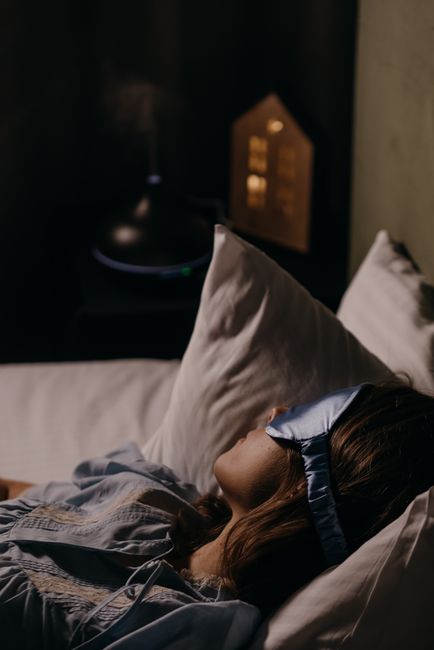
Memory foam and hybrid mattresses tend to excel here. The foam contours to your body shape, distributing weight more evenly than a firm surface.
Temperature Regulation
Body temperature drops when you fall asleep. If your mattress traps heat, it fights your natural sleep process. Hot sleepers often report more difficulty falling asleep and more wake-ups during the night.
Look for gel-infused foams, breathable covers, or hybrid constructions with coil layers that allow airflow. Avoid dense memory foam if you run hot, as it retains heat.
Motion Isolation
If you sleep with a partner, their movements can wake you. For insomnia sufferers, each awakening is harder to recover from. A mattress that absorbs motion rather than transferring it helps you stay asleep when your partner moves.
Memory foam handles this well. Innerspring mattresses transfer more motion unless they use individually wrapped coils.
Support for Your Sleep Position
Side sleepers need softer surfaces to cushion hips and shoulders. Back sleepers need medium support to maintain spine alignment. Stomach sleepers need firmer surfaces to prevent their hips from sinking.
A mattress that does not match your sleep position keeps your spine misaligned all night, leading to discomfort and more wake-ups.
Mattress Features That Help Insomnia
- Memory foam: Excellent pressure relief, good motion isolation, can sleep hot
- Latex: Responsive pressure relief, naturally cooler, more bounce than foam
- Hybrid: Balance of pressure relief and support, better airflow than all-foam
- Cooling technology: Gel foam, phase-change covers, open-cell construction
- Zoned support: Firmer under hips, softer under shoulders, maintains alignment
What Firmness Works Best?
There is no universal answer. The right firmness depends on your body weight, sleep position, and personal preference.
But here is a pattern we see with insomnia sufferers: many are sleeping on mattresses that are too firm for them. They bought "firm is good for your back" mattresses years ago and have been uncomfortable ever since.
Medium to medium-soft works for most people. Firm mattresses can work for heavier individuals or stomach sleepers, but they create pressure points for side sleepers and lighter-weight people.
If you have been waking up with aches, try something softer. If you feel like you are sinking and cannot get comfortable, try something firmer.
What a Mattress Cannot Fix
Be realistic. A new mattress will not help if your insomnia comes from:
- Anxiety or depression
- Chronic pain that is not position-related
- Sleep apnea or other breathing disorders
- Medications that affect sleep
- Caffeine, alcohol, or screen time before bed
- Inconsistent sleep schedule
- Room temperature, light, or noise issues
These require different solutions. If you have tried improving your mattress and sleep hygiene and still struggle, talk to a doctor. Chronic insomnia is a medical condition that sometimes needs medical treatment.
The 30-Day Test
If you get a new mattress, give it at least 30 days before deciding. Your body needs time to adjust. The first week might feel strange simply because it is different. Track your sleep during this time. Are you falling asleep faster? Waking up less? Feeling more rested? If the answer is no after a month, the mattress is not your problem.
Beyond the Mattress: Your Sleep Setup
The mattress is one piece of the puzzle. Other factors that affect insomnia:
Your Pillow
A pillow that does not support your neck properly causes discomfort and frequent position changes. Side sleepers need thicker pillows. Back sleepers need thinner ones. If you wake up with neck pain or headaches, address the pillow before blaming the mattress.
Your Bedding
Heavy blankets help some people feel secure. Lightweight breathable sheets help hot sleepers. The wrong bedding can undo the temperature benefits of a good mattress.
Your Room
Temperature should be 65-68°F (18-20°C) for most people. Darkness matters. So does quiet. A great mattress in a bright, hot, noisy room will not solve insomnia.
Your Habits
Consistent wake time matters more than consistent bedtime. Avoiding screens for an hour before bed helps. Limiting caffeine after noon helps. These changes are free and often more effective than any mattress upgrade.
Talk to Someone Who Listens
If you have insomnia and think your mattress might be part of the problem, come talk to us. We will ask about your sleep patterns, your pain points, your temperature preferences. We want to understand your situation before recommending anything. Sometimes the answer is a new mattress. Sometimes it is a pillow. Sometimes it is adjusting what you already have. We will give you an honest assessment.
When to Replace Your Mattress for Better Sleep
Consider a new mattress if:
- Your current mattress is more than 7-8 years old
- You sleep better in hotels or guest beds
- You wake up with pain that disappears during the day
- You can see or feel sagging where you sleep
- You toss and turn more than you used to
- You wake up hot when you did not before
If none of these apply, your mattress probably is not the issue. Look at other factors before spending money.
Frequently Asked Questions
Can a mattress cure insomnia?
No mattress cures insomnia. Insomnia has many causes, most of which are not related to your sleep surface. What a mattress can do is eliminate physical discomfort as a contributing factor. If pain, pressure points, or overheating are keeping you awake, fixing those issues removes one barrier to sleep. But if your insomnia is caused by anxiety, stress, or medical conditions, a new mattress will not solve it.
Is a firm or soft mattress better for insomnia?
Medium to medium-soft works for most people with insomnia. Firm mattresses create pressure points that cause discomfort and wake-ups, especially for side sleepers. Very soft mattresses can cause alignment problems that lead to pain. The goal is a balance: soft enough to cushion your body, firm enough to support your spine. Your weight and sleep position affect the ideal firmness.
Does memory foam help with insomnia?
Memory foam can help by reducing pressure points and isolating motion from a partner. These features mean fewer physical disturbances during the night. However, traditional memory foam sleeps hot, which can worsen insomnia for hot sleepers. If you want memory foam, look for gel-infused or open-cell versions that dissipate heat better. Hybrid mattresses offer memory foam comfort with better airflow.
How do I know if my mattress is causing sleep problems?
Key signs: you sleep better away from home, you wake up with pain that fades during the day, you toss and turn trying to get comfortable, or you wake up hot. If you fall asleep fine but wake frequently, your mattress might be causing micro-awakenings from discomfort. If you cannot fall asleep at all, the problem is likely not your mattress. Try a few nights on a different surface to test whether your mattress is the issue.
Should I get an adjustable bed for insomnia?
Adjustable beds help specific conditions. Elevating your head can reduce acid reflux and snoring. Elevating your legs can help circulation issues and lower back pain. If these problems contribute to your insomnia, an adjustable base is worth considering. But if your insomnia is not related to these issues, an adjustable bed will not help more than a good flat mattress. It is a tool for specific needs, not a general insomnia solution.
Medical Disclaimer: The information in this article is for educational purposes only and does not constitute medical advice. If you are experiencing chronic pain, sleep disorders, or other health conditions, please consult a qualified healthcare professional.
Find Your Perfect Mattress at Mattress Miracle
We are a family-owned mattress store in Brantford, helping our community sleep better since 1997. Come try mattresses in person and get honest, no-pressure advice.
441 1/2 West Street, Brantford, Ontario
Call 519-770-0001Visit Mattress Miracle
Find us at 441 1/2 West Street, Brantford, Ontario. Rated 4.9 stars on Google. Family-owned since 1997.
Brad, Owner, 40+ years of experience: "We have been helping Brantford families sleep better since 1997. Every customer gets personal attention, honest advice, and the kind of follow-up service you just do not get from big box stores."
Step 2: Test Mattress Firmness for Your Sleep Position
Side sleepers need medium to soft mattresses (4-7 firmness). Back sleepers need medium firmness (6-7). Stomach sleepers need firm mattresses (7-8). Test in your normal sleep position for at least 10 minutes.
Step 3: Check Pressure Relief and Support Balance
Your mattress should support your spine in neutral alignment while cushioning pressure points. Memory foam and hybrid mattresses typically excel at this balance.
Step 4: Consider Temperature Regulation
If you overheat at night, avoid dense memory foam. Look for gel-infused memory foam, latex, or hybrid mattresses with airflow features. Sleep temperature directly impacts sleep quality.
Step 5: Test Motion Isolation
If a partner disturbs your sleep, test how much motion transfers across the mattress. Memory foam and hybrid mattresses absorb motion better than traditional springs.
How to Choose a Mattress for Better Sleep
1 Evaluate Your Current Sleep Position
Pay attention to how you naturally sleep. Side sleepers need more cushioning for shoulders and hips, while back sleepers benefit from medium support that maintains spinal alignment. Stomach sleepers (though we rarely recommend this position) need firmer surfaces to prevent lower back strain.
2 Consider Temperature Regulation
If you wake up hot or sweaty, look for mattresses with cooling features like gel-infused foam, breathable latex, or hybrid designs with coil systems that allow airflow. Traditional memory foam can trap heat, though newer formulations have improved significantly.
3 Test for Pressure Relief
When testing mattresses, lie in your natural sleep position for at least 10-15 minutes. Your shoulders, hips, and lower back should feel supported without pressure points. If you feel like you're sinking too much or floating on top, keep looking.
4 Look for Motion Isolation (If Sharing)
If a partner's movement wakes you up, prioritize memory foam or hybrid mattresses with pocketed coils. These absorb motion better than traditional innerspring designs. Test this by having someone shift positions while you're lying still.
5 Check Edge Support
Sit on the edge of the mattress like you're getting out of bed. It should feel stable and supportive, not like you're rolling off. Good edge support means more usable sleep surface and easier entry and exit.
6 Visit a Local Store for Proper Testing
While online mattress companies offer convenience, nothing replaces actually lying on different options. We've been helping Brantford families find the right mattress since 1997, and at 441 1/2 West Street since 2010. Call us at 519-770-0001 to book a time when you can test mattresses without feeling rushed.
Quick Answer: What Mattress Helps with Insomnia?
No mattress cures insomnia. But the wrong mattress can make it worse. If you lie awake because of discomfort, pain, or overheating, fixing those issues helps. For insomnia sufferers, look for pressure relief (memory foam or hybrid), temperature regulation (gel foam or breathable materials), and a firmness that matches your sleep position. A mattress that eliminates physical discomfort removes one barrier to sleep.

Sources
- Jacobson BH, Boolani A, Smith DB. Changes in back pain, sleep quality, and perceived stress after introduction of new bedding systems. J Chiropr Med. 2009;8(1):1-8. DOI: 10.1016/j.jcm.2008.09.002
- Radwan A, Fess P, James D, et al. Effect of different mattress designs on promoting sleep quality, pain reduction, and spinal alignment in adults with or without back pain. Sleep Health. 2015;1(4):257-267. DOI: 10.1016/j.sleh.2015.08.001
- Kovacs FM, Abraira V, Peña A, et al. Effect of firmness of mattress on chronic non-specific low-back pain: randomised, double-blind, controlled, multicentre trial. Lancet. 2003;362(9396):1599-1604. DOI: 10.1016/S0140-6736(03)14792-7
Visit Our Brantford Showroom
We are located at 441½ West Street in downtown Brantford. Free parking available, wheelchair accessible. Our team does not work on commission, so you get honest advice based on your needs.
Mattress Miracle , 441½ West Street, Brantford, ON · (519) 770-0001
Hours: Monday–Wednesday 10am–6pm, Thursday–Friday 10am–7pm, Saturday 10am–5pm, Sunday 12pm–4pm.