

Quick Answer: Dairy farmers average just 6 hours and 15 minutes of sleep per night, with 4-5 AM milking schedules leaving little room for recovery. A medium-firm mattress with cooling properties helps farm operators maximize the limited sleep hours they do get, and strategic napping between milkings makes a real difference.
Brad, Owner, 40+ years of experience: "We have been helping Brantford families sleep better since 1997. Every customer gets personal attention, honest advice, and the kind of follow-up service you just do not get from big box stores."
In This Guide
- Why Dairy Farmers Sleep Less Than Almost Anyone
- The 4 AM Alarm: What Early Milking Does to Your Body
- Calving Season and Extended Sleep Loss
- The Physical Toll: Back Pain, Knees, and Recovery
- Choosing a Mattress That Works as Hard as You Do
- Practical Sleep Strategies for Farm Schedules
- Supporting Brant County's Dairy Community
- FAQs
Reading Time: 9 minutes
8 min read
Why Dairy Farmers Sleep Less Than Almost Anyone


If you run a dairy operation in Brant County, you already know this: your alarm goes off before most people have finished their last sleep cycle. Dairy farmers across Canada average about 6 hours and 15 minutes of sleep per night, well below the 7-9 hours that sleep researchers recommend for adults.
That number isn't a surprise to anyone who has done morning milking. It's just the reality of the job. Cows don't care what day it is, and they certainly don't observe holidays. The herd needs milking twice a day, roughly 12 hours apart, and that schedule anchors every other part of your life.
What might surprise you is just how much that lost sleep compounds over time. A dairy farmer losing an hour of sleep per night accumulates a sleep debt of over 360 hours per year. That's the equivalent of staying awake for more than two straight weeks.
What the Research Shows
A Canadian agricultural health survey found that 31.6% of farm operators sleep under 6 hours per night during peak seasons. Dairy operations have some of the most rigid schedules in agriculture because milking times cannot shift without affecting production. Unlike grain farmers who have seasonal intensity, dairy farmers face this schedule year-round.
Ontario holds a significant share of Canada's dairy industry, with 33.4% of the country's dairy cows located in the province. Dairy farming is Ontario's largest agricultural sector by farm cash receipts, which means a lot of Ontario families are living this schedule. And many of those families are right here in Brant, Norfolk, and Haldimand counties.
The 4 AM Alarm: What Early Milking Does to Your Body
Most dairy operations start morning milking between 4 and 5 AM. If you're running a smaller operation without hired help, you might be up even earlier to prep the parlour. That means going to bed by 9 PM just to get 7 hours, and that rarely happens when there's equipment to maintain, books to keep, and a family to spend time with.
Here's what happens physiologically when you consistently wake before 5 AM. Your body's natural circadian rhythm is designed around daylight. Waking in complete darkness means your cortisol (stress hormone) spikes before your body is ready, and your melatonin (sleep hormone) hasn't fully cleared. You're essentially forcing your internal clock to run on a schedule it wasn't designed for.
Over months and years, this creates what sleep scientists call "social jet lag," a permanent mismatch between your biological clock and your actual schedule. It's similar to what shift workers in Brantford experience at local plants, except farmers can't rotate to a more comfortable schedule.
Sleep Loss and Farm Safety
Research on agricultural workers found that sleep deprivation leads to 7.4 times worse balance performance, directly increasing the risk of falls around livestock and machinery. Farm-related injuries peak during periods of greatest fatigue, particularly early morning chores and late evening checks. When you're running on 5 hours of sleep around a 1,400-pound Holstein, the stakes are higher than feeling groggy.
Calving Season and Extended Sleep Loss


If the regular milking schedule is tough on sleep, calving season is where it gets genuinely difficult. Most dairy operations in Ontario calve year-round or in concentrated blocks, and both approaches mean nights spent checking on expectant cows every 2-3 hours.
During calving season, that already-short 6 hours and 15 minutes drops further. Some farmers report sleeping in 90-minute blocks between barn checks, essentially adopting a polyphasic sleep pattern that even military researchers consider extreme.
The challenge with calving season sleep is that it can last weeks or months. A difficult calving at 2 AM followed by morning milking at 4:30 AM means you might get zero continuous sleep for 24 hours or more. And unlike a new parent who can eventually hand off night duties, you can't explain to a first-calf heifer that you need a break.
This is where your mattress actually matters more than usual. When you're sleeping in short windows, you need to fall asleep fast and reach deep sleep quickly. A mattress that causes pressure points or doesn't support your tired back adds minutes to your fall-asleep time, and during calving season, every minute counts.
The Physical Toll: Back Pain, Knees, and Recovery
Dairy farming is one of the most physically demanding occupations in agriculture. The repetitive bending, lifting, and standing on concrete floors takes a predictable toll on the body.
Musculoskeletal Pain in Dairy Farmers
Studies on dairy farming populations show striking injury rates: 75.1% report lower back pain and 62.1% report knee problems. These numbers are significantly higher than the general population. The combination of repetitive milking postures, heavy lifting (feed bags, equipment), and prolonged standing on hard surfaces creates chronic strain that only proper rest can address.
Here's the problem: when you're already sleeping 6 hours or less, your body has less time for the physical recovery that happens during deep sleep. Growth hormone, which repairs muscle and joint tissue, is primarily released during slow-wave sleep. Cut that sleep short, and recovery slows down. Your back hurts more the next morning, you compensate with poor posture in the parlour, and the cycle continues.
We've had dairy farm customers from Paris and the surrounding townships come into our showroom at 441 1/2 West Street with the same story: "I've just accepted that my back is going to hurt." That doesn't have to be the answer. The right mattress won't fix everything, but it can make the hours you do sleep genuinely restorative instead of just tolerable.
Choosing a Mattress That Works as Hard as You Do

What Dairy Farmers Should Look For
- Firmness: Medium to medium-firm (6-7 on a 10-point scale). Your lower back needs support after hours of bending, but too firm creates pressure points on already-sore hips and shoulders.
- Cooling materials: Physical labour raises core body temperature. Pocket coil systems and natural latex allow better airflow than solid foam. You're coming to bed warmer than someone who sat at a desk all day.
- Edge support: If you're getting in and out of bed at 4 AM without waking your partner, solid edge support means you can sit on the side and pull on boots without the mattress collapsing.
- Durability: Farm schedules stress a mattress differently. You need something built to last, not a bed-in-a-box that sags after two years. Flippable mattresses often last longer because you can rotate the wear.
- Motion isolation: If your partner stays in bed when you get up for milking, good motion isolation means they keep sleeping. That matters for household harmony.
Our Sleep In collection includes Canadian-made flippable mattresses that tend to work well for people with physically demanding jobs. The ability to flip between two firmness levels means you can go slightly softer when your body is particularly beaten up, then flip back when you need more support.
An adjustable bed base is also worth considering if acid reflux is an issue. Many farmers who eat dinner late and hit the bed within a couple of hours deal with reflux, and elevating the head of the bed 6-8 inches can make a significant difference without medication.
Practical Sleep Strategies for Farm Schedules
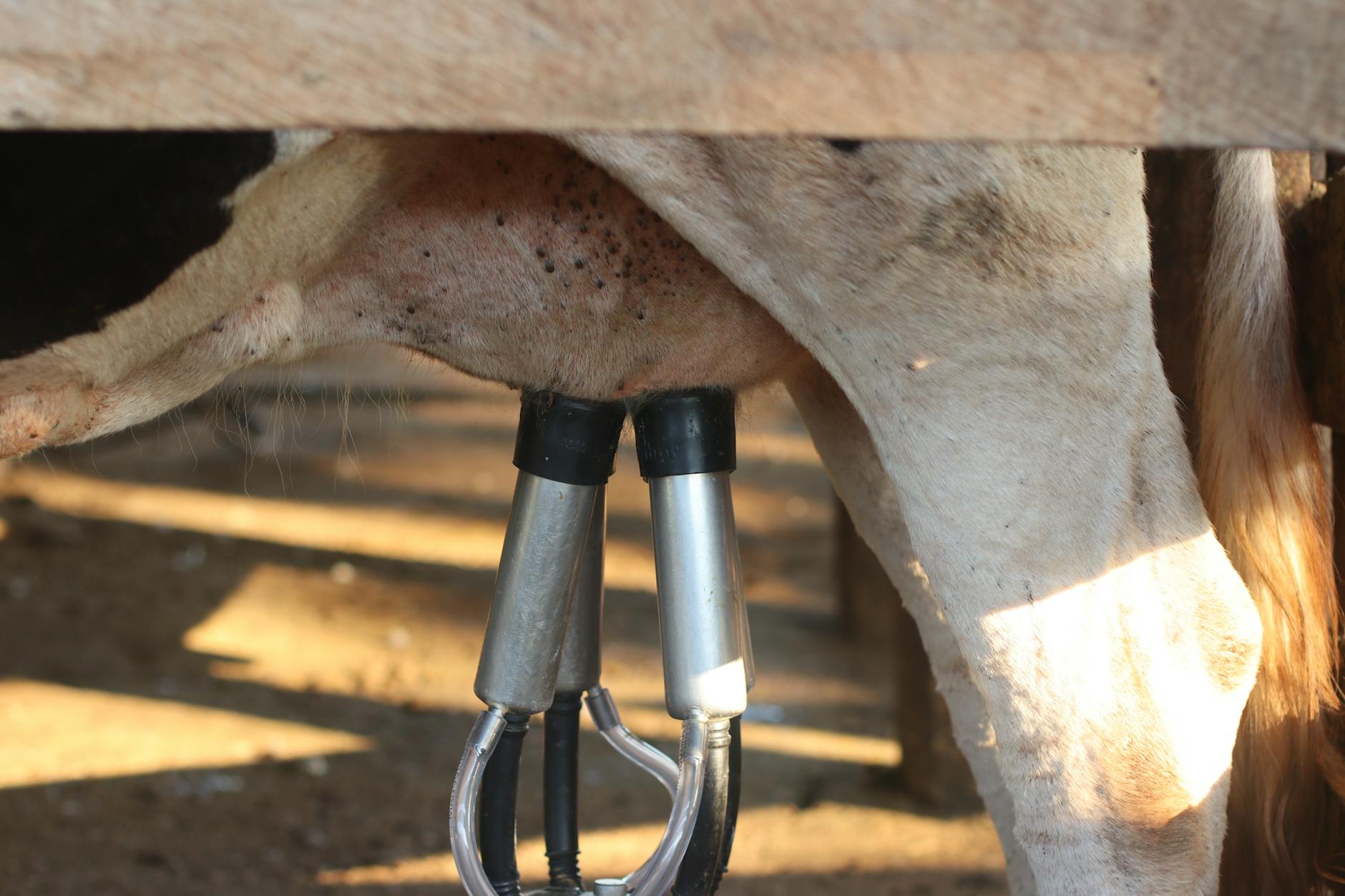
Sleep Tips for Early Morning Farm Schedules
- Strategic napping between milkings: A 20-30 minute nap after morning milking (around 7-8 AM) can partially restore alertness without interfering with nighttime sleep. Keep it under 30 minutes to avoid grogginess.
- Split sleep schedules: Some dairy farmers find a "core sleep" of 5 hours at night plus a 90-minute nap in the early afternoon works better than trying to get all their sleep in one block. This mimics historical biphasic sleep patterns that were common before electric light.
- Bedroom temperature: Keep it at 65-68 degrees Fahrenheit. Farmhouse bedrooms, especially upstairs rooms in older homes common around Brant County, can run warm in summer. A fan or window AC unit pays for itself in sleep quality.
- Blackout solutions: If you're napping during daylight, blackout curtains or a quality sleep mask are worth the small investment. Light suppresses melatonin production, and your body needs that hormone to fall asleep quickly.
- Consistent bedtime: Even when evening chores run late, try to maintain the same bedtime within a 30-minute window. Your body's circadian rhythm benefits from consistency, and irregular schedules make the early alarm even harder.
- Mattress elevation for reflux: Late dinners and physical work can cause acid reflux that disrupts sleep. Elevating the head of your mattress 6-8 inches (with an adjustable base or even foam wedge) reduces reflux episodes without medication.
One thing we hear from farming families: don't underestimate the value of your sleep environment. When you're limited to 6 hours, making those 6 hours count is the whole strategy. A mattress that's past its useful life, a room that's too warm, or a pillow that doesn't support your neck properly, these are problems you can actually fix, even if you can't change milking time.
Supporting Brant County's Dairy Community
Local Dairy Country
Brant County, Norfolk County, and Haldimand County are home to a significant concentration of dairy operations. The rolling farmland between Brantford, Paris, and Simcoe has supported dairy families for generations. These operations range from smaller family farms with 40-60 cows to larger modern operations running robotic milking systems. Regardless of herd size, the sleep challenges are remarkably similar.
We've been serving farm families at Mattress Miracle since 1997. That's decades of understanding what people who work physically demanding jobs need from their sleep surface. We're not a chain store with a corporate script. We're a family-owned shop on West Street that understands the difference between someone who sits at a computer all day and someone who's been bending over milking units since before dawn.
If you're a dairy farmer dealing with chronic fatigue, back pain, or just poor sleep quality, come talk to us. We won't pretend a mattress will fix your alarm clock. But we can help make sure the hours you do sleep are working for you, not against you.
Related Reading
- Brantford Shift Workers Sleep Guide
- Hip Pain From Your Mattress: Causes and Solutions
- How to Fix a Sagging Mattress
- Flippable vs. One-Sided Mattress: Which Lasts Longer?
- Adjustable Beds Canada: Complete Guide
Find Your Perfect Mattress at Mattress Miracle
We are a family-owned mattress store in Brantford, helping our community sleep better since 1997. Come try mattresses in person and get honest, no-pressure advice.
441 1/2 West Street, Brantford, Ontario
Call 519-770-0001Frequently Asked Questions
How much sleep do dairy farmers actually get?
Canadian dairy farmers average about 6 hours and 15 minutes of sleep per night, well below the recommended 7-9 hours. During calving season or peak harvest periods, 31.6% of farm operators drop below 6 hours. The rigid twice-daily milking schedule makes it difficult to extend sleep in either direction.
What type of mattress is best for someone with an early morning farm schedule?
A medium to medium-firm mattress (6-7 on a firmness scale) with good cooling properties works well for dairy farmers. Pocket coil or hybrid construction provides the airflow that physically active people need, while proper lumbar support addresses the lower back strain from repetitive bending. Visit our Brantford showroom to test options in person.
Does napping between milkings actually help?
Yes, research supports strategic napping for people on restricted sleep schedules. A 20-30 minute nap after morning milking restores alertness and cognitive function without creating the grogginess that longer naps cause. Some dairy farmers find a split sleep schedule (5 hours at night plus a 90-minute afternoon nap) more effective than one block.
Why do so many dairy farmers have back pain?
Studies show 75.1% of dairy farmers report lower back pain, driven by repetitive bending during milking, heavy lifting, and prolonged standing on concrete surfaces. Insufficient sleep compounds the problem because deep sleep is when growth hormone repairs muscle and joint tissue. A supportive mattress helps maximize that recovery window.
Can an adjustable bed help with acid reflux from late farm dinners?
Absolutely. Elevating the head of your bed 6-8 inches reduces acid reflux episodes significantly. Many farmers eat dinner late after evening chores, which worsens reflux when lying flat. An adjustable base lets you find the right angle. We carry several options at Mattress Miracle, and you can test them at 441 1/2 West Street in Brantford.
Sources
- Walker M. Why We Sleep: Unlocking the Power of Sleep and Dreams. Scribner. 2017. ISBN: 978-1501144318.
- Okamoto-Mizuno K, Mizuno K. Effects of thermal environment on sleep and circadian rhythm. J Physiol Anthropol. 2012;31(1):14. DOI: 10.1186/1880-6805-31-14
- Krauchi K. The thermophysiological cascade leading to sleep initiation in relation to phase of entrainment. Sleep Med Rev. 2007;11(6):439-451. DOI: 10.1016/j.smrv.2007.07.001
- Haskell EH, Palca JW, Walker JM, Berger RJ, Heller HC. The effects of high and low ambient temperatures on human sleep stages. Electroencephalogr Clin Neurophysiol. 1981;51(5):494-501.
Visit Our Brantford Showroom
We are located at 441½ West Street in downtown Brantford. Free parking available, wheelchair accessible. Our team does not work on commission, so you get honest advice based on your needs.
Mattress Miracle , 441½ West Street, Brantford, ON · (519) 770-0001
Hours: Monday–Wednesday 10am–6pm, Thursday–Friday 10am–7pm, Saturday 10am–5pm, Sunday 12pm–4pm.