

Quick Answer: The little brown bat holds the record for most sleep among mammals, logging up to 20 hours per day. Koalas follow closely at 18-22 hours. Both species sleep so much because their diets are extremely low in energy, forcing their bodies to conserve calories through rest.
In This Guide
Reading Time: 13 minutes
Every time someone asks which animal sleeps the most, the conversation gets more interesting than people expect. It is not just a trivia question. The answer reveals something fundamental about how sleep works, why it matters, and what happens when a body genuinely needs rest to survive.
We think about sleep a lot at Mattress Miracle. Since 1997, we have been helping Brantford families get better rest, and one thing we have learned is that understanding sleep biology, even animal sleep biology, helps people take their own rest more seriously. So let us look at nature's most dedicated sleepers.
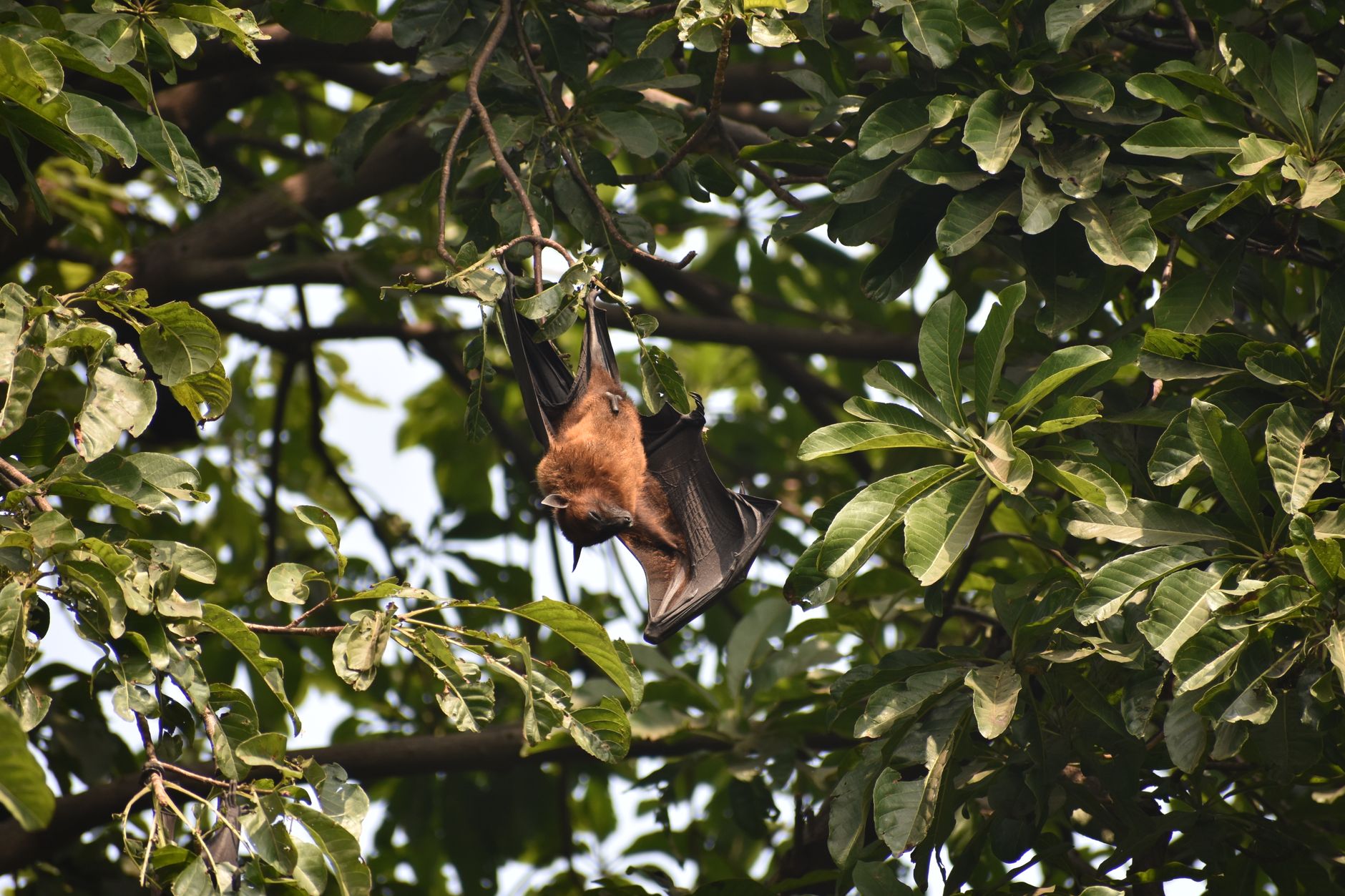
The Sleepiest Animal on Earth
Among all mammals, the little brown bat (Myotis lucifugus) consistently tops the charts, sleeping between 19 and 20 hours every single day. That leaves only four to five hours for everything else: hunting, drinking, mating, and socialising.
Some sources point to the koala as the champion sleeper, and depending on the study and how "sleep" is defined versus "resting," they can edge close to 22 hours. The distinction matters, because koalas spend hours in a torpor-like state that is not technically sleep but functions similarly. When researchers measure true electroencephalogram (EEG)-confirmed sleep, the little brown bat wins.
Either way, both animals have one thing in common: their diets provide almost no usable energy, so their bodies compensate by shutting down as much as possible.
How Scientists Measure Animal Sleep
True sleep is defined by EEG patterns showing slow-wave activity and REM phases, not simply by stillness or closed eyes. Early animal sleep research relied on observation, which overestimated rest periods. Modern telemetry studies place small EEG transmitters on free-roaming animals. This is how researchers confirmed that horses, for example, get true sleep in only two to three hour bursts while standing, supplemented by brief lying-down REM periods. The same rigour has been applied to bats, dolphins, and marine mammals to separate real sleep from passive rest.
Why Some Animals Sleep So Much
There are three main biological reasons an animal might sleep far more than the average.
Low-Energy Diets
This is the biggest factor for extreme sleepers. Eucalyptus leaves, which koalas eat exclusively, contain very little nutrition and are loaded with toxic compounds the liver must detoxify constantly. Processing them burns energy. Sleeping burns almost none. The result is an evolutionary pressure to sleep as much as possible between feeding sessions.
Similarly, the little brown bat eats insects. Insects are energy-dense compared to eucalyptus, but bats have very high metabolic rates during flight. The body needs long recovery periods after intense bursts of activity.
Thermoregulation and Torpor
Many extreme sleepers enter torpor, a state of reduced metabolic rate and body temperature that is deeper than sleep but serves a similar energy-conservation function. Bats in cold climates spend months in torpor during winter hibernation. During active months, they still sleep the bulk of each day to keep energy expenditure manageable.
Predator Avoidance
Some animals sleep in hidden or elevated locations where they are safe. If a tree hollow or cave is secure, there is no evolutionary penalty for sleeping longer. Animals that must remain vigilant, like horses and elephants, sleep far less and in shorter bouts.
Brad, Owner, 40+ years of experience: "Customers sometimes feel guilty about sleeping nine hours. I tell them: a koala sleeps 22 and nobody calls that laziness. When your body needs rest, it needs rest. The problem is usually the mattress or the environment, not the person."
Koala Sleep: Up to 22 Hours a Day
The koala deserves a detailed look because it is the most famous extreme sleeper and the one most people think of first.
Koalas are marsupials native to Australia. Their entire physiology is shaped around one food source: eucalyptus leaves. These leaves are:
- Low in nutrition (minimal protein, almost no fat)
- High in water content (helps hydration but adds volume without calories)
- Loaded with phenolic compounds, cyanogenic glycosides, and terpenes that are toxic to most mammals
A koala's liver has evolved specialised enzymes to detoxify these compounds, but the process is metabolically expensive. A koala cannot simply eat more to compensate. The tree canopy only holds so many leaves, and moving to find food costs more energy than the food provides if not managed carefully.
The solution evolution found was radical energy conservation: sleep almost constantly.
Koala Sleep Positions
Koalas sleep wedged in tree forks, gripping branches with strong claws. Their bodies are built for this: a thick patch of cartilage on the spine allows them to rest comfortably against a fork without discomfort. They rarely fall.
During Australia's hottest months, koalas spread their bodies against the cooler inner bark of trees, a behaviour researchers only confirmed in 2014 using thermal imaging. The trees act as natural air conditioning, reducing the need for evaporative cooling and saving yet more water and energy.
Koala Energy Budget Research
A 2014 study published in the journal Biology Letters by Briscoe et al. documented koalas actively choosing tree species with cooler bark temperatures during heat waves. The study found koalas selected trees that were up to 7°C cooler than ambient air temperature, reducing the metabolic cost of thermoregulation. This behaviour directly relates to why koalas can sleep so long: they outsource thermal regulation to the environment wherever possible.
Bat Sleep Science: 20 Hours and the Reason Behind It
The little brown bat is North America's most common bat species and is found throughout Ontario, including around Brantford. Despite their abundance, most people have never seen one at rest because they roost in dark, enclosed spaces: attics, hollow trees, caves, and mine shafts.
During their active season (roughly May through October in Ontario), little brown bats emerge at dusk, hunt for one to two hours, and then return to roost. The rest of the day and night is spent in sleep or light torpor.
Why Bats Sleep So Long
Several factors converge:
- Flight is expensive: Powered flight has the highest energy cost per unit time of any locomotion. A bat burns enormous calories in short bursts. Recovery requires extended rest.
- Insect availability is limited: Bats cannot hunt all day. Insects are mostly active in the crepuscular window (dusk and dawn). Between hunts, sleep conserves energy.
- High surface area to body mass ratio: Small bodies lose heat quickly. Huddling together in roosts and sleeping reduces heat loss.
- Immune function: Bats are famously resistant to the viruses they carry. Research suggests their extended sleep periods play a role in maintaining this remarkable immune function.
Bat Sleep Architecture
Bats experience both slow-wave sleep (SWS) and REM sleep, just like humans. The proportion varies by species and season. During winter hibernation, the brain enters a dramatically different state, with very infrequent SWS arousals. During active months, bats cycle through normal sleep stages but compress them into a very long daily sleep period.

Other Champion Sleepers: The Full Ranking
Beyond the little brown bat and the koala, several other species clock extraordinary amounts of sleep each day.
| Animal | Average Daily Sleep | Primary Reason | Sleep Type |
|---|---|---|---|
| Little brown bat | 19-20 hours | High metabolic cost of flight, limited feeding window | True sleep + torpor |
| Koala | 18-22 hours | Low-calorie toxic diet requires maximum energy conservation | Sleep + rest torpor |
| Giant armadillo | 18-19 hours | Low metabolic rate, armour reduces predator vigilance need | True sleep |
| North American opossum | 18 hours | High REM requirement, low predator pressure in burrow | True sleep with high REM |
| Python | 18 hours (after feeding) | Massive metabolic demand of digesting large prey | Sleep + rest |
| Lion | 16-20 hours | Short bursts of intense hunting, energy recovery needed | True sleep |
| Cat (domestic) | 12-16 hours | Inherited predator sleep pattern, low foraging demand | True sleep with polyphasic cycles |
| Sloth | 10-16 hours (wild estimates vary) | Low metabolic rate, low-calorie leaf diet | True sleep, reduced in wild |
| Dog | 12-14 hours | Variable by breed and activity level | True sleep, polyphasic |
| Squirrel | 14-15 hours | High activity bursts, small body mass heat loss | True sleep + seasonal torpor |
A Note on Sloths
Sloths have a complicated reputation as the ultimate sleepers, but field research has repeatedly revised their sleep time downward. Early estimates of 20 hours were based on captive sloths observed in zoos. Wild sloths fitted with EEG monitors in a 2008 study by Rattenborg et al. slept only about 10 hours per day. Captivity, it turns out, removes the need to forage and reduces the stimulation that keeps wild animals awake and alert. This is worth remembering when comparing studies.
The Giant Armadillo
This animal rarely makes headlines, but the giant armadillo of South America may be the actual record-holder in the wild when all sleep and torpor periods are combined. Protected by its shell from most predators, it has little evolutionary pressure to stay vigilant. Studies using GPS and activity monitors found it can sleep up to 18-19 hours in secure burrows. Unlike most extreme sleepers, it eats a varied diet of insects and small animals, so the driver here is predator safety, not diet.
Do Fish Sleep?
Fish do not have eyelids and cannot enter the sleep states we recognise in mammals, but they do experience periods of reduced activity and lowered responsiveness that appear to serve a similar restorative function. Zebrafish have been studied extensively in sleep research because they show circadian-regulated rest states. Some fish hover motionless near the bottom; others wedge into crevices. Parrotfish secrete a mucous cocoon around themselves at night. Whether this is "sleep" depends on your definition, but it is clear that rest is a fundamental biological need that evolution has preserved across nearly all animal phyla.
Sleep Lessons From Ontario's Own Bats
The little brown bat, the world's most sleep-dependent mammal, is a familiar neighbour in Brantford and across Ontario. Ontario's bat populations have been severely affected by white-nose syndrome, a fungal disease that disrupts hibernation sleep cycles, waking bats early from torpor and causing them to burn through fat reserves before spring. Conservation efforts to protect Ontario bat populations are, in a real sense, efforts to protect animals that need good, uninterrupted sleep to survive, something many of us can relate to.
What Animals Teach Us About Human Sleep
There is a reason sleep researchers study animals so intensively. Every species provides a data point about what sleep does, how much is needed, and what happens when it is disrupted.
Sleep Is Non-Negotiable
No animal has evolved to not need sleep. Even the most sleep-deprived creatures, like dolphins, have developed unihemispheric sleep, where one half of the brain sleeps while the other stays alert. They have not eliminated sleep. They have just made it more efficient. This tells us something important: the pressure to sleep is so fundamental that evolution has never been able to select it away, only route around it creatively.
Quality Matters as Much as Quantity
Bats sleep 20 hours but the quality of that sleep matters enormously. Studies on hibernating bats show that disrupting their torpor, even once, can cost them enough energy to be fatal. The lesson for humans is the same: fragmented sleep, even if it adds up to eight hours in total, does not produce the same restoration as uninterrupted sleep.
This is one reason at Mattress Miracle we pay close attention to motion transfer when helping customers choose a mattress. If one partner's movement wakes the other repeatedly, neither person is getting the consolidated sleep their brain needs. Our guide to sleeping better naturally covers this in more detail.
Environment Shapes Sleep
Koalas evolved specific behaviours to use tree bark as a cooling system. Bats roost in tight clusters to conserve warmth. Sea otters wrap kelp around themselves so they do not drift apart. Every animal manages its sleep environment deliberately. Humans are the same. Bedroom temperature, light, noise, and surface comfort all affect sleep quality in measurable ways.
If you are waking through the night or not feeling rested despite adequate hours, the surface you sleep on is worth examining. A supportive mattress that keeps your spine neutral and minimises pressure points lets your body complete full sleep cycles the way it needs to. Our team has been helping Brantford families find that right surface since 1997.
Sleep Like the Experts: Environment Tips From Animal Biology
Animals that sleep the most share common environmental habits: they find dark, cool, secure locations with minimal disturbance. For humans, this means a room temperature around 18°C, blackout curtains or a sleep mask, and a quiet setting. These are not preferences. They are what your biology was built for. If your bedroom does not meet these conditions, your sleep cycles will be shorter and lighter than they should be.
Sleep Duration Varies by Species, Not by Effort
A koala is not trying to sleep 22 hours. It is not lazy. Its biology requires it. Humans, by contrast, are built for seven to nine hours. We are not built for five hours or twelve hours as a baseline. Individual variation exists, but it is narrower than most people believe. The "I only need five hours" claim almost never holds up when people are studied in a sleep lab without alarm clocks.
If you are curious about your own sleep quality, tracking your rest with a sleep monitoring app can reveal patterns you might not notice otherwise.

What Carnivores Tell Us About Recovery Sleep
Lions sleep 16-20 hours a day. House cats sleep 12-16 hours. Both are obligate carnivores that hunt in short, intense bursts. After a sprint, a tackle, and the physical effort of a kill, the body needs extended recovery. REM sleep, in particular, appears to be involved in motor memory consolidation. Animals that use complex physical skills seem to require more REM.
Humans who do intense physical work or exercise may notice they need more sleep during heavy training periods. This is not weakness. It is the same biology at work.
The Role of REM in All Mammals
REM sleep was once thought to be unique to mammals and birds. It has since been observed in reptiles (in simplified forms) and is likely present in all vertebrates. The fact that evolution has preserved REM across such a range of species suggests it is doing something critical, perhaps memory consolidation, emotional processing, or neural pruning. Whatever the precise mechanism, the conservation of REM across hundreds of millions of years of evolution is strong evidence that it is not optional.
For people who feel groggy despite sleeping, REM disruption is often the culprit. An unsupportive mattress that causes pain or pressure points can pull you out of deep sleep and REM cycles repeatedly. If that sounds familiar, it may be worth a visit to our mattress collection or a conversation with our team in the showroom.
Dorothy, Sleep Specialist: "We talk about animals and sleep science because it helps people understand that sleep is biological, not a choice. When someone tells me they are fine with six hours, I ask them: fine compared to what? Most people have never experienced what fully consolidated, seven-to-nine-hour sleep feels like when everything is right. It is a different life."
Find Your Perfect Mattress at Mattress Miracle
We are a family-owned mattress store in Brantford, helping our community sleep better since 1997. Come try mattresses in person and get honest, no-pressure advice.
441 1/2 West Street, Brantford, Ontario
Call 519-770-0001Frequently Asked Questions
Which animal sleeps the most out of all species?
Among mammals, the little brown bat sleeps approximately 19-20 hours per day based on EEG-confirmed sleep studies. The koala is often cited as a close contender, with estimates ranging up to 22 hours when rest periods are included. Among all animal groups, some invertebrates may rest even longer, but true sleep measurements are harder to confirm in non-vertebrates.
Why do koalas sleep so many hours a day?
Koalas eat eucalyptus leaves, which are low in calories and high in toxic compounds. Their livers must work constantly to detoxify what they eat, which is metabolically expensive. Sleeping for 18-22 hours conserves the energy they cannot afford to spend on activity. It is an evolutionary adaptation to one of the poorest diets of any mammal.
Do sloths actually sleep 20 hours a day?
No, that figure came from captive sloths in zoos. When wild sloths were studied with EEG monitors in their natural habitat, they slept around 10 hours per day. Captivity reduces foraging demands and stimulation, causing much longer rest periods. Wild sloths need to stay alert for predators and actively search for food, which keeps them awake longer than captive animals.
What does animal sleep research tell us about human sleep needs?
It confirms that sleep is a non-negotiable biological function preserved across all vertebrate species. No animal has evolved to eliminate sleep, which suggests the restorative processes it enables are fundamental to life. For humans, this means quality sleep is not a luxury. It is as essential as food and water, and the right sleep environment makes a real difference to how well those processes can occur.
Can I visit Mattress Miracle to get advice on improving my sleep environment?
Yes, absolutely. Our team at 441½ West Street in Brantford has been helping families improve their sleep since 1997. We do not work on commission, so you will get honest advice based on your actual needs, not a sales target. Call us at (519) 770-0001 or stop in during store hours.
Sources
- Briscoe, N.J., et al. (2014). Tree-hugging koalas demonstrate a novel thermoregulatory mechanism for arboreal mammals. Biology Letters, 10(6), 20140235. doi.org/10.1098/rsbl.2014.0235
- Rattenborg, N.C., et al. (2008). Sleeping outside the box: electroencephalographic measures of sleep in sloths inhabiting a tropical forest. Biology Letters, 4(4), 402-405. doi.org/10.1098/rsbl.2008.0203
- Siegel, J.M. (2005). Clues to the functions of mammalian sleep. Nature, 437(7063), 1264-1271. doi.org/10.1038/nature04285
- Zepelin, H., Siegel, J.M., & Tobler, I. (2005). Mammalian sleep. In M.H. Kryger, T. Roth, & W.C. Dement (Eds.), Principles and Practice of Sleep Medicine (4th ed., pp. 91-100). Elsevier Saunders.
- Kayser, M.S., & Bhaskara, A. (2016). Unraveling the molecular mechanisms of sleep. Neuron, 92(1), 3-5. doi.org/10.1016/j.neuron.2016.09.039
- Lesku, J.A., et al. (2008). Phylogenetics and the correlates of mammalian sleep: a reappraisal. Sleep Medicine Reviews, 12(3), 229-244. doi.org/10.1016/j.smrv.2007.10.003
Visit Our Brantford Showroom
We are located at 441½ West Street in downtown Brantford. Free parking available. Our team does not work on commission, so you get honest advice based on your needs.
Mattress Miracle, 441½ West Street, Brantford, ON, (519) 770-0001
Hours: Monday–Wednesday 10am–6pm, Thursday–Friday 10am–7pm, Saturday 10am–5pm, Sunday 12pm–4pm.
If learning about animal sleep has made you think about your own sleep quality, come in and let us help. Whether you need a mattress that reduces motion transfer, a pillow that properly supports your neck, or simply an honest conversation about what might be keeping you from your best rest, we are here for it.
Shop better sleep basics at Mattress Miracle
Half of sleep is habit and half is hardware. We can help with the hardware.
If you suspect the mattress is part of it, the mattress quiz takes two minutes.